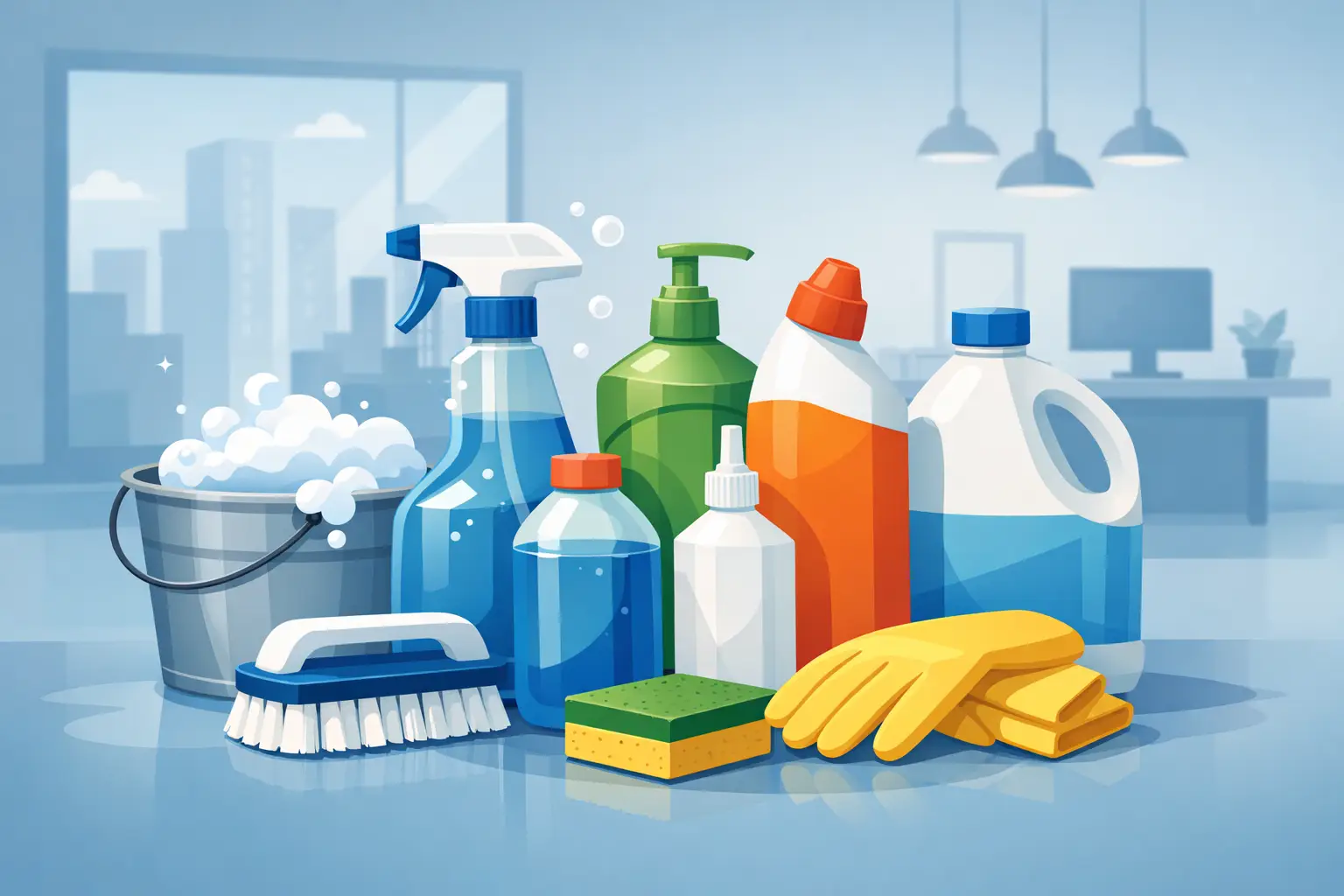
A freshly cleaned floor should not leave you wondering whether your dog can walk across it or whether your cat will lick a residue from its paws. Pet friendly cleaning products help households manage fur, muddy tracks, accidents, and everyday grime without adding unnecessary risk to the places pets sleep, play, and eat. The right choice is not always the most heavily scented bottle or the product with the boldest “natural” claim. It is the one that fits the surface, the mess, and the way your pets use the space.
What Makes Cleaning Products Pet Friendly?
Pet-friendly does not mean a cleaner is safe to drink, harmless in every amount, or suitable for every animal. Dogs, cats, birds, and small pets have different sensitivities, and a product can still cause trouble if it is used incorrectly, left wet on the floor, or stored where a curious pet can reach it.
A practical pet-conscious cleaner is one that can be used as directed, rinsed or wiped away when needed, and allowed to dry before pets return to the area. It should also come with clear instructions, ingredient information, and dilution guidance. Products labeled as biodegradable, plant-based, or fragrance-free can be useful options, but those labels alone do not guarantee safety.
The goal is simple: remove soil and germs effectively while limiting strong fumes, lingering residue, and preventable exposure. For a busy household, that often means choosing a few reliable products instead of keeping a cabinet full of specialty bottles.
How to Choose Pet Friendly Cleaning Products
Start with the job you need the product to do. A neutral floor cleaner, an enzyme-based stain remover, a mild dish soap for certain washable items, and a bathroom disinfectant used carefully can cover many common cleaning needs. Buying a powerful product for every surface can lead to damage, wasted money, and more chemical residue than necessary.
Read the label beyond the front-panel marketing. Look for the surfaces the product is approved for, the required contact time for disinfecting, whether it needs rinsing, and any warnings about ventilation. If a product says to keep children and pets away until dry, follow that direction every time. “Safe around pets” still requires safe use.
Fragrance deserves special attention. Strong perfumes may make a room smell clean, but they can be unpleasant for animals with sensitive noses and may linger in carpets, upholstery, and bedding. Unscented or lightly scented options are often a better fit for pet-heavy homes, especially when pets spend much of the day indoors.
Avoid mixing products. Combining bleach with ammonia, acids, vinegar, or other cleaners can create dangerous fumes. Use one product at a time, keep the room ventilated, and store every bottle in its original container with the label intact.
Pet Friendly Cleaning Products by Area of the Home
Floors and entryways
Floors collect the evidence of pet ownership quickly: paw prints, food crumbs, shed fur, drool, and outdoor dirt. Vacuuming or sweeping first matters because it removes grit that can scratch hard flooring and keeps a mop from spreading debris around.
For sealed tile, vinyl, laminate, and many finished wood floors, use a cleaner approved for that material and avoid soaking the surface. A lightly damp mop is usually enough. Let the floor dry completely before letting pets back into the room, particularly if they tend to lick their paws.
Be cautious with homemade solutions. Vinegar can be useful for some tasks, but it is not appropriate for every floor and may dull or damage natural stone. It also does not replace a registered disinfectant when disinfection is genuinely needed. Surface care should always come first.
Carpets, rugs, and upholstery
Pet accidents need fast, targeted treatment. Blot liquids with a clean towel rather than rubbing them deeper into the fibers. Then use an enzyme cleaner designed for pet urine, vomit, or organic stains. Enzymes help break down the source of the odor, which is important because a pet may return to the same spot if it can still smell the previous accident.
Test any carpet or upholstery product in a hidden area before treating a visible stain. Follow the directions closely, especially the time needed for the product to work. Once the area is clean, rinse or blot away excess product if the label calls for it, then allow the fabric to dry fully.
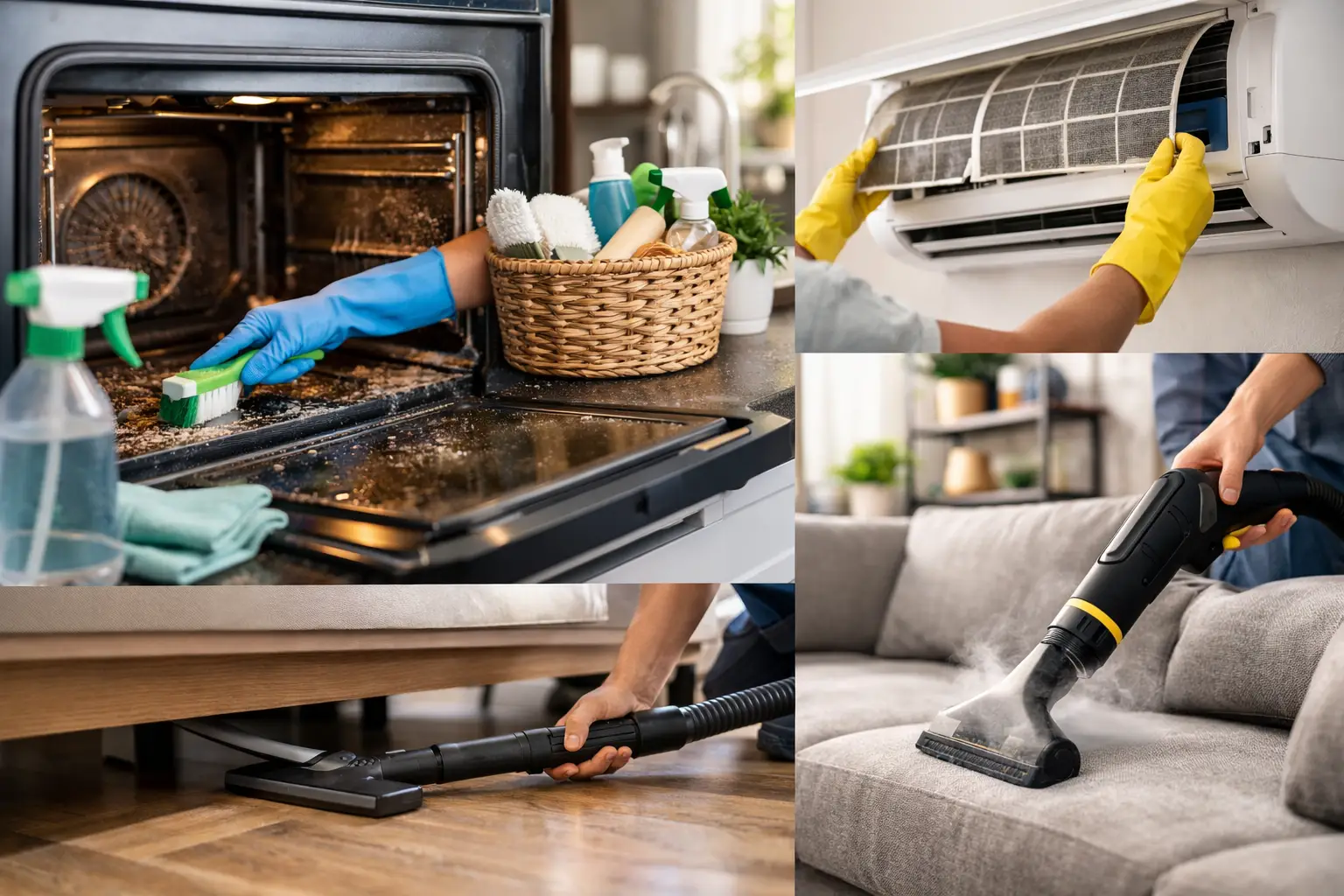
For recurring odors, heavily soiled upholstery, or stains that keep returning after spot treatment, professional carpet and upholstery cleaning may be the more effective route. Deep extraction removes embedded soil and moisture that household sprays cannot always reach.
Kitchens and pet feeding areas
Wash pet bowls regularly with hot water and a mild dish soap, then rinse thoroughly. Food mats should be cleaned often as well, since they collect saliva, crumbs, and splashes that can become sticky or odorous.
For counters and food-prep areas, use a product appropriate for kitchen surfaces and follow any rinse instructions. Keep pets out of the area while cleaning, especially when using a disinfectant. Wipe up spills promptly rather than reaching for a harsh cleaner by default.
Do not use the same cloth on pet bowls, kitchen counters, and bathroom surfaces. Keeping separate, washable microfiber cloths for different rooms is a small habit that helps prevent cross-contamination.
Bathrooms and litter box areas
Bathroom cleaners often contain stronger ingredients because they are designed to remove soap scum, mineral buildup, and bathroom germs. Use them with ventilation, keep the door closed while you work, and allow surfaces to dry before pets enter. A clean litter box area also benefits from frequent sweeping or vacuuming, since litter dust can travel farther than expected.
For the litter box itself, avoid heavily perfumed cleaners that may discourage cats from using it. Empty waste regularly, wash the box according to the manufacturer’s guidance, rinse well, and dry it before adding fresh litter.
Safe Cleaning Habits Matter as Much as the Product
Even the best product can become a problem when rushed or misused. Build a simple routine around protecting pets during cleaning. Move food bowls, toys, bedding, and water dishes out of the area. Open a window or run ventilation when using products with noticeable fumes. Keep pets in another room until the work is finished and surfaces are dry.
Measure concentrates carefully. More product does not usually mean a better clean. Overconcentrating can leave residue on floors and fabrics, make rinsing harder, and shorten the life of some surfaces. Use clean water for each task and wash reusable cloths after use so they do not spread soil or product residue from room to room.
Storage is part of pet safety, too. Keep cleaning products in a secured cabinet or on a high shelf, never in unmarked spray bottles or food containers. If a pet chews a container, licks a wet cleaner, or shows signs of distress after exposure, contact your veterinarian or a local animal poison resource right away. Have the product label available when you call.
When a Professional Cleaning Visit Makes Sense
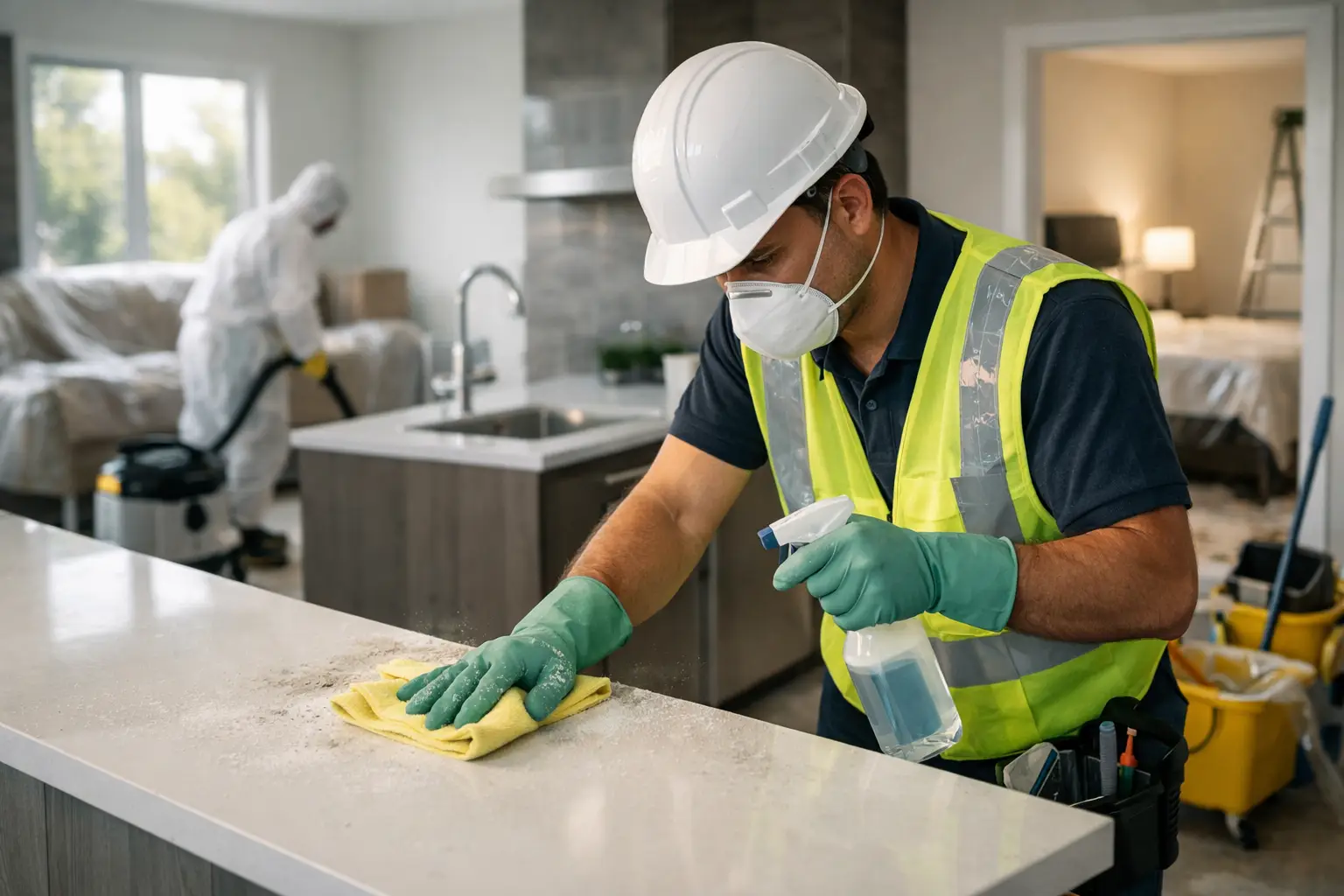
A regular household routine handles most day-to-day pet messes. But deep cleaning can be valuable after a move, renovation, seasonal shedding period, illness in the home, or repeated accidents on carpeting and upholstery. Professional cleaners can work through the buildup that is easy to miss: baseboards covered in fur, under-furniture dust, odor-prone fabrics, and grime around feeding or entry areas.
Before booking, ask what products and methods will be used, whether the team can accommodate a pet-conscious home, and how long pets should stay clear of cleaned areas. Get It Done Cleaning Services takes a detailed, practical approach to cleaning so Hamilton households can request the right scope for their home, from recurring upkeep to intensive carpet or move-out cleaning.
A clean home and a pet-friendly home can be the same home. Choose products with clear directions, use only what the job requires, and give every cleaned surface time to dry. Those small decisions keep the space comfortable for the people who live there and the animals who make it feel like home.