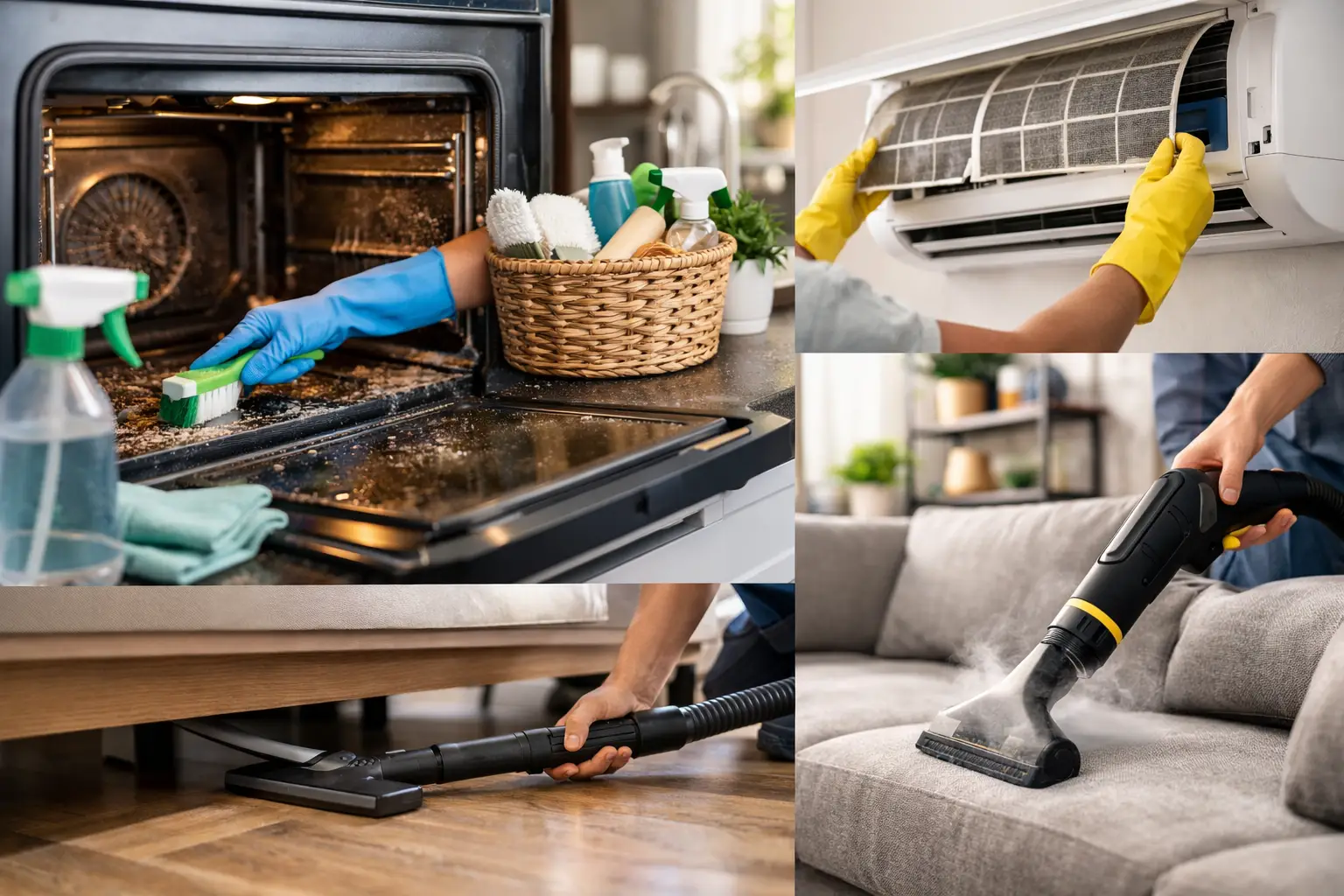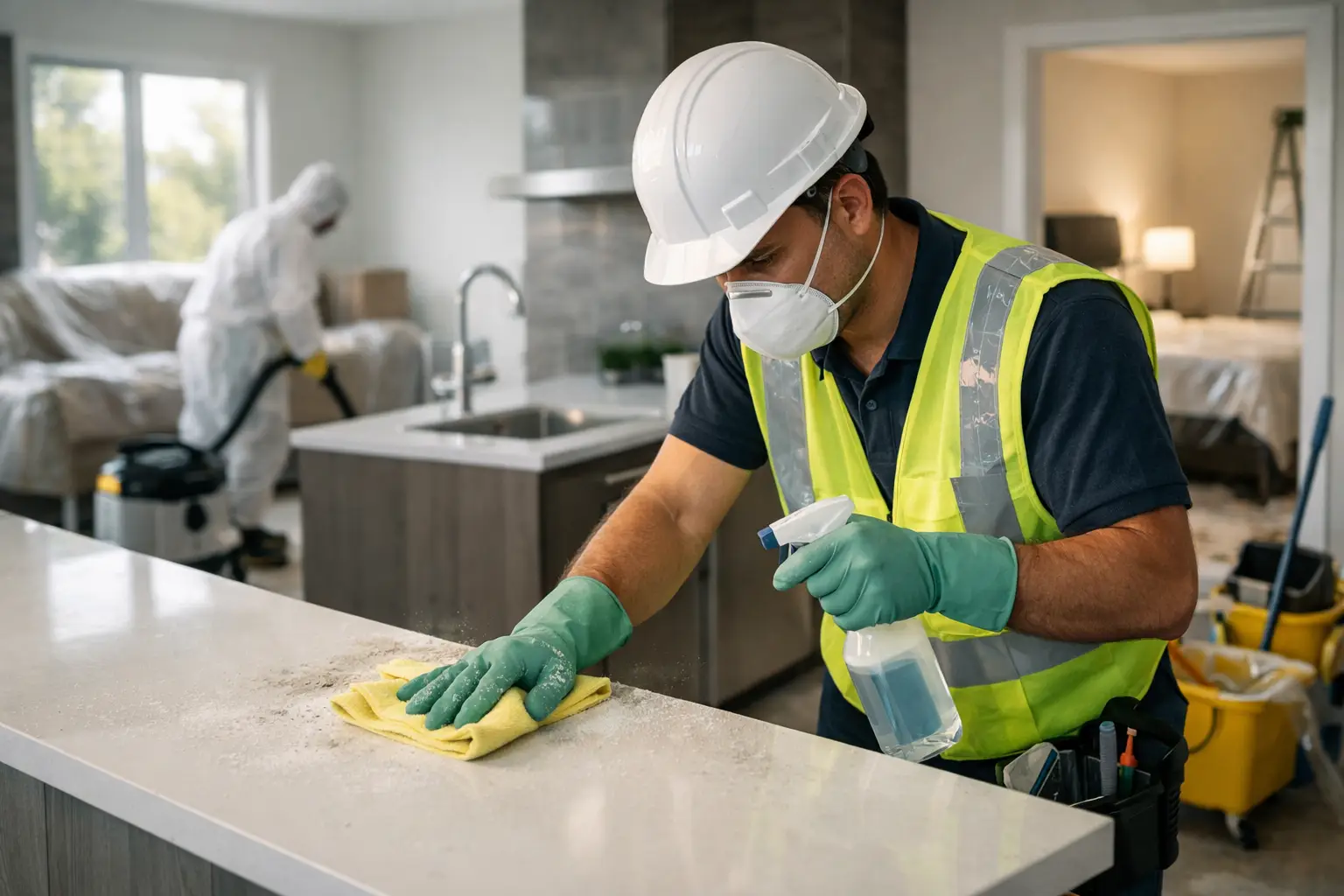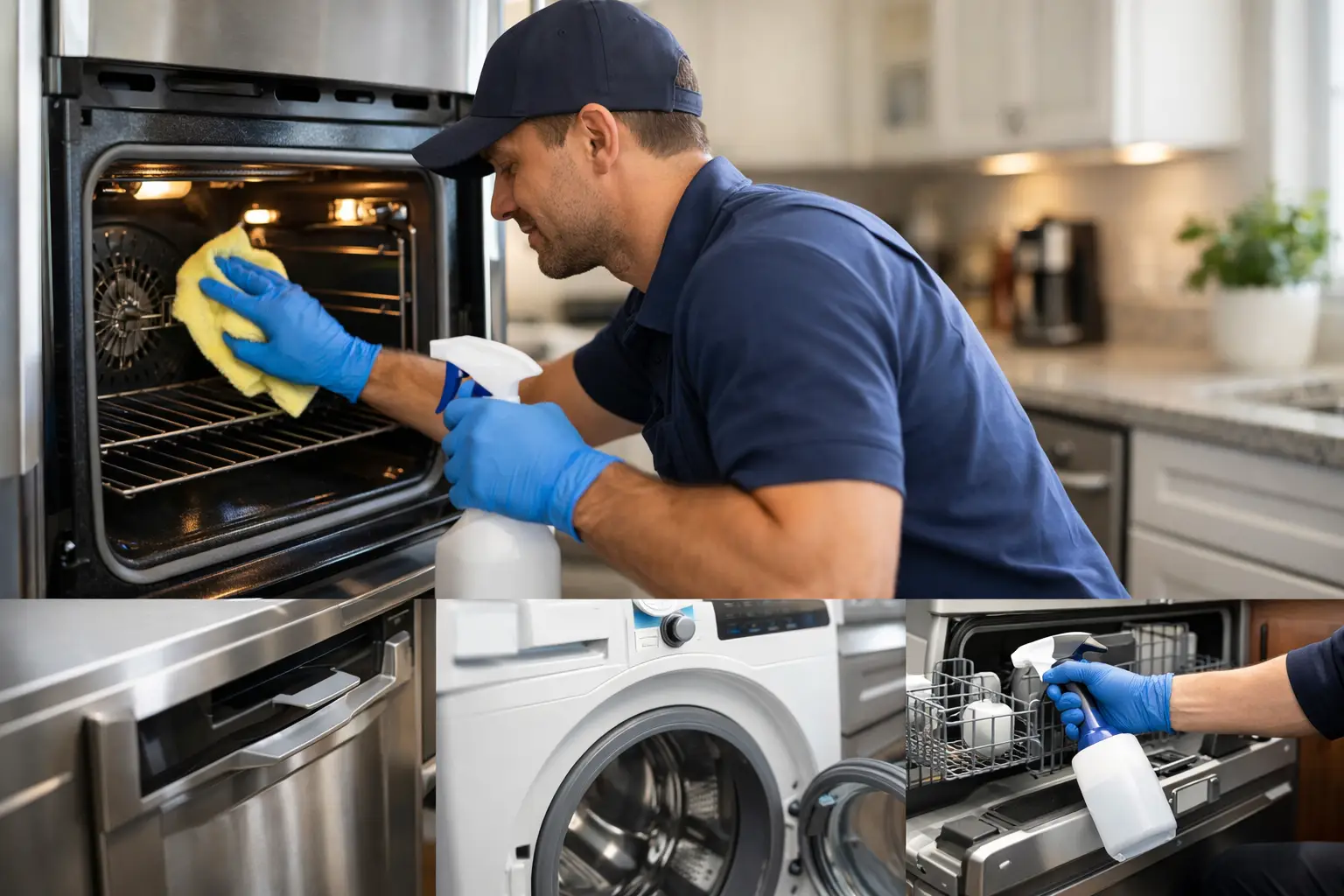
Walk into any office after hours and you can usually smell the work before you see it – glass cleaned, floors mopped, restrooms disinfected, breakrooms reset for the next day. Behind that result is not one all-purpose bottle, but a group of products designed for specific soils, surfaces, and sanitation needs. If you are looking for examples of commercial cleaning agents, the real answer is that each one has a job, and using the right one matters as much as using enough of it.
For business owners, property managers, and facility teams, that matters for two reasons. First, the wrong product can waste time, leave residue, or even damage surfaces. Second, cleaning and disinfecting are not the same thing. A workspace can look tidy and still need proper sanitation in high-touch areas like door handles, restrooms, shared desks, and kitchen counters.
Examples of commercial cleaning agents and what they do
Commercial cleaning agents are usually grouped by function. Some break down grease, some remove mineral buildup, some kill germs, and others improve appearance by polishing or restoring a surface. Here are the most common types you are likely to see in professional cleaning.
1. Neutral all-purpose cleaners
These are the workhorses of routine cleaning. A neutral cleaner is designed to lift light dirt, dust, and everyday grime from surfaces without being too harsh. It is commonly used on desks, counters, sealed floors, walls, and other general areas.
The advantage is versatility. The trade-off is that it is not the best choice for heavy grease, deep soap scum, or disinfection unless the label specifically says it can do those jobs.
2. Disinfectants
Disinfectants are made to reduce or kill bacteria and viruses on hard, nonporous surfaces. They are especially important in restrooms, kitchens, reception areas, and shared workspaces where many hands touch the same spots throughout the day.
This is where dwell time matters. A disinfectant usually needs to stay visibly wet on the surface for a set number of minutes to work properly. If it is sprayed and wiped off right away, you may get a cleaner-looking surface without full disinfecting performance.
3. Degreasers
Degreasers are built for oily residue, food splatter, cooking byproducts, and industrial grime. They are common in commercial kitchens, breakrooms, warehouses, and maintenance areas where standard cleaners struggle.
A good degreaser saves labor because it cuts through buildup faster. Still, stronger is not always better. Some formulas can dull finishes or irritate skin if used incorrectly, so they should match the surface and the level of soil.
4. Glass cleaners
Glass cleaners are formulated to remove fingerprints, smudges, dust, and light soil from mirrors, windows, partitions, and other reflective surfaces. Their main goal is clarity without streaking.
In commercial spaces, presentation matters. Clean glass makes an office or storefront feel brighter and better maintained. The catch is that overspraying can leave residue, especially on nearby frames or electronics.
5. Bathroom and restroom cleaners
Restroom cleaners often combine soil removal with scale control and disinfection support. They are made to deal with soap scum, hard water stains, body oils, and restroom odors on toilets, sinks, tile, partitions, and fixtures.
These products are usually more specialized than a general cleaner because restroom soil is more complex. If mineral deposits are heavy, a standard cleaner may not touch them. If the product is too harsh, it may wear down grout, metal finishes, or protective coatings over time.
6. Acid-based cleaners
Acid-based products are used to remove mineral deposits, rust stains, lime scale, and stubborn buildup caused by hard water. You will often find them in restrooms and other moisture-heavy environments.
They are effective, but they require caution. Acid cleaners can damage natural stone, etch delicate surfaces, and react badly if mixed with other chemicals. They are useful when needed, but they are not everyday products for every area.
7. Floor cleaners
Floor care is its own category because flooring types vary so much. Commercial floor cleaners may be made for tile, vinyl, laminate, sealed concrete, or other resilient surfaces. Some are low-foam formulas for automatic scrubbers, while others are meant for manual mopping.
Using the wrong floor product can leave slippery residue or dull the finish. That is one reason professional cleaning teams follow a clear process instead of using one cleaner across every room.
8. Carpet cleaning solutions
Carpet cleaning agents include spot removers, pre-sprays, extraction detergents, and deodorizing treatments. These products help loosen embedded soil, lift stains, and refresh fibers in office carpeting, rugs, and upholstered furniture.
Carpet chemistry needs balance. A product that is too aggressive can leave residue that attracts more dirt later. A formula that is too mild may not remove deep traffic lane buildup or spills effectively.
9. Sanitizers
Sanitizers are similar to disinfectants, but they are not always the same. In many settings, sanitizers reduce bacteria to a safer level rather than killing as broad a range of pathogens as a disinfectant might. They are often used in food-service environments and other spaces where regular surface hygiene is a priority.
Whether a sanitizer or disinfectant is the better fit depends on the environment, the regulatory standard, and the surfaces being treated. That is a good example of why product choice should follow the use case, not just the label language that sounds strongest.
10. Polishers and surface protectants
Some commercial cleaning agents are not about soil removal alone. Stainless steel polish, furniture polish, and floor finish restorers improve appearance and help surfaces resist fingerprints or wear.
These can make a space look more polished, especially in lobbies, conference rooms, and customer-facing areas. But too much product can create buildup, so more shine is not always better.
11. Eco-friendly cleaning agents
Eco-friendly commercial cleaning agents can include all-purpose cleaners, glass cleaners, restroom products, and floor solutions made with lower-toxicity ingredients or reduced fragrance. For many workplaces, they are a practical choice because they support a healthier environment without sacrificing routine cleaning quality.
That said, eco-friendly does not mean weak, and conventional does not always mean unsafe. The better question is whether the product is effective for the task, used correctly, and appropriate for the people and surfaces in the building.
How professionals choose between commercial cleaning agents
The best cleaning plans are built around the space, not around a single favorite product. A medical office, daycare, retail store, apartment hallway, and standard office suite all have different traffic patterns, touchpoints, and cleaning risks.
Professionals usually look at four things first: the type of soil, the surface material, the health and safety requirement, and the cleaning frequency. Greasy buildup in a breakroom calls for a different approach than dust on office shelving. Daily restroom maintenance is different from periodic post-construction cleanup. Even within one building, several product categories may be necessary.
That is also where trained use matters. Dilution ratios, contact time, ventilation, and proper storage all affect performance. A strong product used the wrong way can underperform just as easily as a mild one used on the wrong surface.
Common mistakes when using examples of commercial cleaning agents
One of the biggest mistakes is assuming all germs are handled by a general cleaner. If the goal is infection control, you need a product labeled for that purpose and used according to instructions. Appearance alone is not proof of sanitation.
Another common issue is mixing chemicals. This should never happen unless the manufacturer specifically allows it, and in most cases it does not. Certain combinations can create dangerous fumes or reduce effectiveness.
Overusing product is also a problem. More chemical does not automatically mean better cleaning. It can leave streaks on glass, sticky residue on floors, and buildup on desks or fixtures. In commercial spaces, that often leads to repeat cleaning and unnecessary cost.
When a professional service makes more sense
Some businesses do well with in-house light cleaning but still need outside help for deep cleaning, carpets, floor care, post-renovation cleanup, or recurring sanitation support. That is often the most efficient setup because it keeps daily maintenance simple while bringing in trained equipment and product knowledge where it counts.
A professional team should be able to explain what products are being used, why they are being used, and how they fit the needs of your facility. For businesses that care about eco-conscious options, occupant comfort, and reliable results, that transparency matters. It is one reason companies like Get It Done Cleaning Services focus on clear scope, trained staff, and practical cleaning plans instead of one-size-fits-all promises.
If you are comparing products or services, do not just ask what cleaner is used. Ask what problem it is meant to solve, how often the area should be treated, and whether the product fits the surface and the people using the space. The cleanest-looking building is not always the best-maintained one, but the one with the right products used the right way usually is.