
If you have ever booked a deep clean and then looked around your space thinking, Where do I even start first? you are not alone. Knowing how to prepare for deep cleaning can make the appointment smoother, help your cleaners work more efficiently, and lead to better results in the areas that matter most to you.
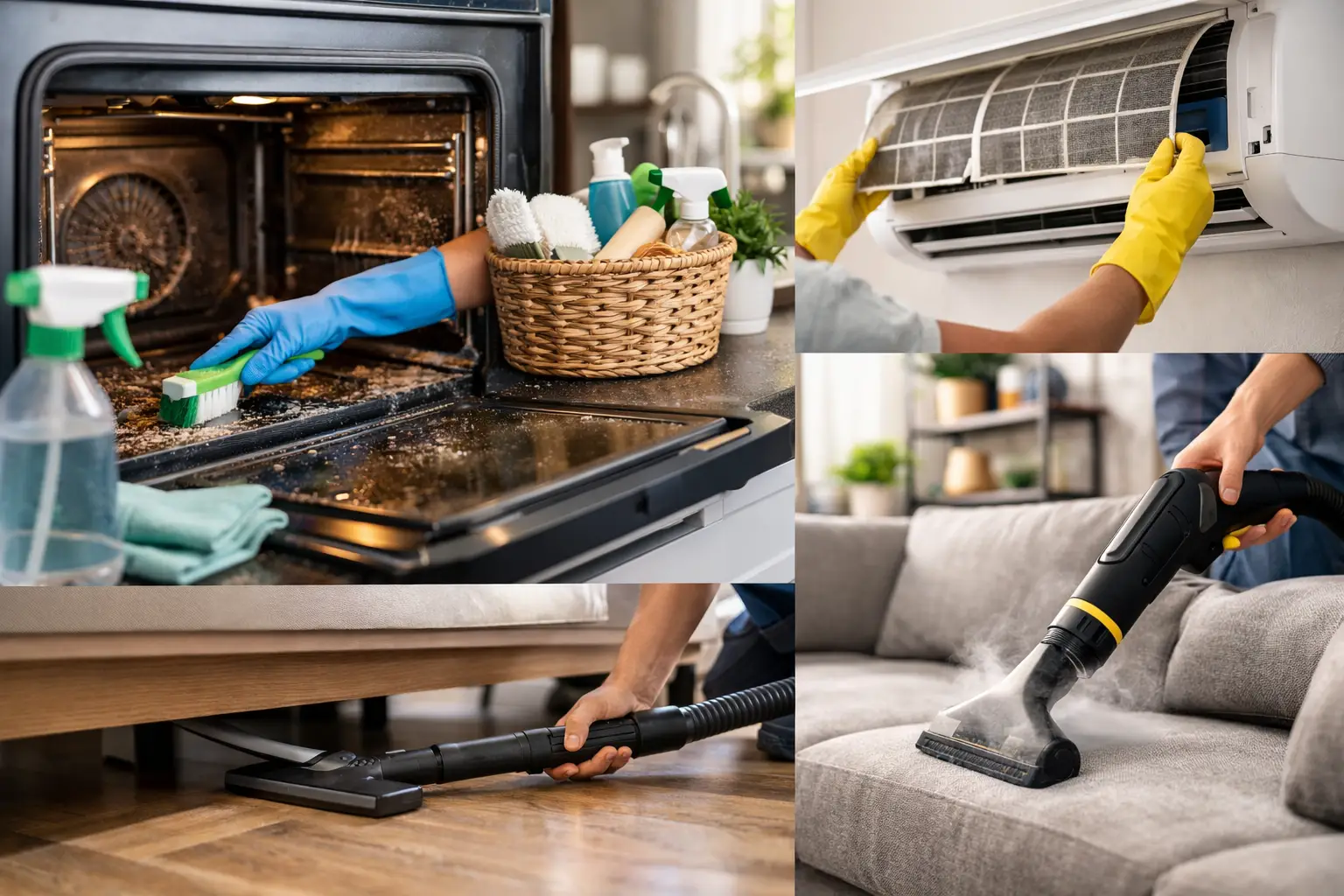
A deep cleaning is different from a routine tidy-up. It usually targets built-up dust, grime, neglected corners, baseboards, fixtures, and other details that do not always get attention during regular maintenance. That means a little prep on your end can go a long way. The goal is not to clean before the cleaners arrive. The goal is to remove obstacles so professionals can focus on the detailed work you are paying for.
Why preparation matters before a deep clean
When a home or business is cluttered, cleaners often have to spend valuable time moving items, clearing surfaces, or figuring out what should and should not be touched. That can slow the job down and reduce the time available for true deep-cleaning tasks.
Preparation also helps prevent misunderstandings. If there are fragile items, problem areas, pet concerns, or rooms that need special attention, handling those details ahead of time makes the service more efficient and more comfortable for everyone involved.
For customers booking a one-time service before guests arrive, after renovations, before moving, or as a reset for a busy household, good preparation usually means more visible results. It also helps you get the full value of professional cleaning services.
How to prepare for deep cleaning without overdoing it
The biggest mistake people make is trying to pre-clean everything. You do not need to mop floors, scrub showers, or dust shelves before a deep cleaning appointment. If you do, you are essentially doing part of the job yourself.
What you should do is focus on access, organization, and communication. Think of it this way: if cleaners can reach surfaces easily, move from room to room without delays, and understand your priorities from the start, they can spend more time delivering detailed results.
Declutter the areas being cleaned
If clothes are piled on bedroom floors, toys are spread across the living room, or paperwork is covering desks and counters, take a few minutes to clear those items away. This does not need to turn into a major organizing project. Even placing loose items into bins or baskets temporarily can help.
Clearing clutter matters because deep cleaning typically includes wiping surfaces, cleaning around furniture, reaching corners, and paying attention to trim, doors, and fixtures. If these areas are blocked, they may be harder to clean properly.
For commercial spaces, the same principle applies. Clear desks where possible, remove food containers from breakrooms, and make sure common areas are reasonably accessible. A clean path helps the crew work faster and more safely.
Put away valuables and fragile items
Professional cleaners are trained to work carefully, but it is still smart to secure jewelry, cash, personal documents, heirlooms, and delicate decor before the appointment. This protects your belongings and gives you peace of mind.
Fragile items on crowded shelves, bathroom counters, or side tables are especially worth moving. In a deep clean, more detailed wiping and dusting often happens around these spaces, and reducing risk is always a good idea.
Make sure key surfaces are accessible
If you want kitchen counters cleaned thoroughly, clear off small appliances, mail, and miscellaneous items. If bathroom vanities need attention, put toiletries under the sink or in a drawer. If baseboards need cleaning, move lightweight items that are sitting along the edges of walls.
This is one of the most useful steps in how to prepare for deep cleaning because it directly affects what can be cleaned in the time booked. The less time spent shifting personal items, the more time spent on actual cleaning.
Communicate priorities before the appointment
Not every deep clean is exactly the same. One customer may care most about bathrooms and kitchens. Another may want extra attention on pet hair, blinds, or post-renovation dust. Some may be preparing for a move, while others are catching up after a hectic season.
If there are rooms or tasks that matter most to you, say so early. A dependable cleaning company will appreciate clear expectations. It helps avoid surprises and ensures the service matches your needs.
Mention problem areas upfront
If there is soap scum in one shower, grease buildup near the stove, or heavy dust in a basement office, mention it before the crew starts. The same goes for stains, odors, or rooms that have not been cleaned in a while.
This does not mean every issue can be fully resolved in one visit. Some buildup takes extra time, repeated service, or a specialty treatment. Still, being honest about the condition of the space helps the team plan properly and bring the right approach.
Clarify what is included
Deep cleaning can vary by provider. Some services include inside appliances, inside cabinets, or interior windows as add-ons rather than standard items. Others may offer specialty cleaning for carpets, upholstery, or post-construction cleanup separately.
That is why preparation also means reviewing the scope of work before the appointment. A clear checklist protects your time and budget. It also helps you avoid assuming something is included when it is actually a separate service.
Prepare your home for people, pets, and access
A deep clean is easier when the crew can enter, move through the property, and work without interruption. A few practical steps can make a big difference.
If you will not be home, confirm how entry will work. If you will be home, think about where you will be during the appointment so cleaners can access the rooms they need. For offices or commercial settings, make sure managers or staff know when the cleaning is scheduled.
Plan for pets
Even friendly pets can become stressed by vacuums, unfamiliar people, and open doors. If possible, keep dogs and cats in a secure room, crate, or separate area during the service. This helps protect your pet and allows cleaners to work more efficiently.
If there are specific concerns, such as a pet that startles easily or a cat that tries to slip outside, mention that in advance. Small details like this matter.
Handle parking, entry, and alarms
If your building has gate access, visitor parking rules, elevator restrictions, or alarm codes, share those details before the appointment time. Delays at the door can cut into the cleaning window.
This is especially helpful in apartment buildings, managed properties, and commercial spaces where access is not always straightforward.
Small prep steps that save the most time
Some preparation tasks are simple but high impact. Emptying the sink of dishes, removing laundry from beds and floors, and taking out obvious trash can all help a deep clean move faster.
You should also make a quick note of any surfaces that need special care. Natural stone, antique finishes, and specialty materials may require specific products or methods. A professional team will usually ask, but it helps to point these areas out.
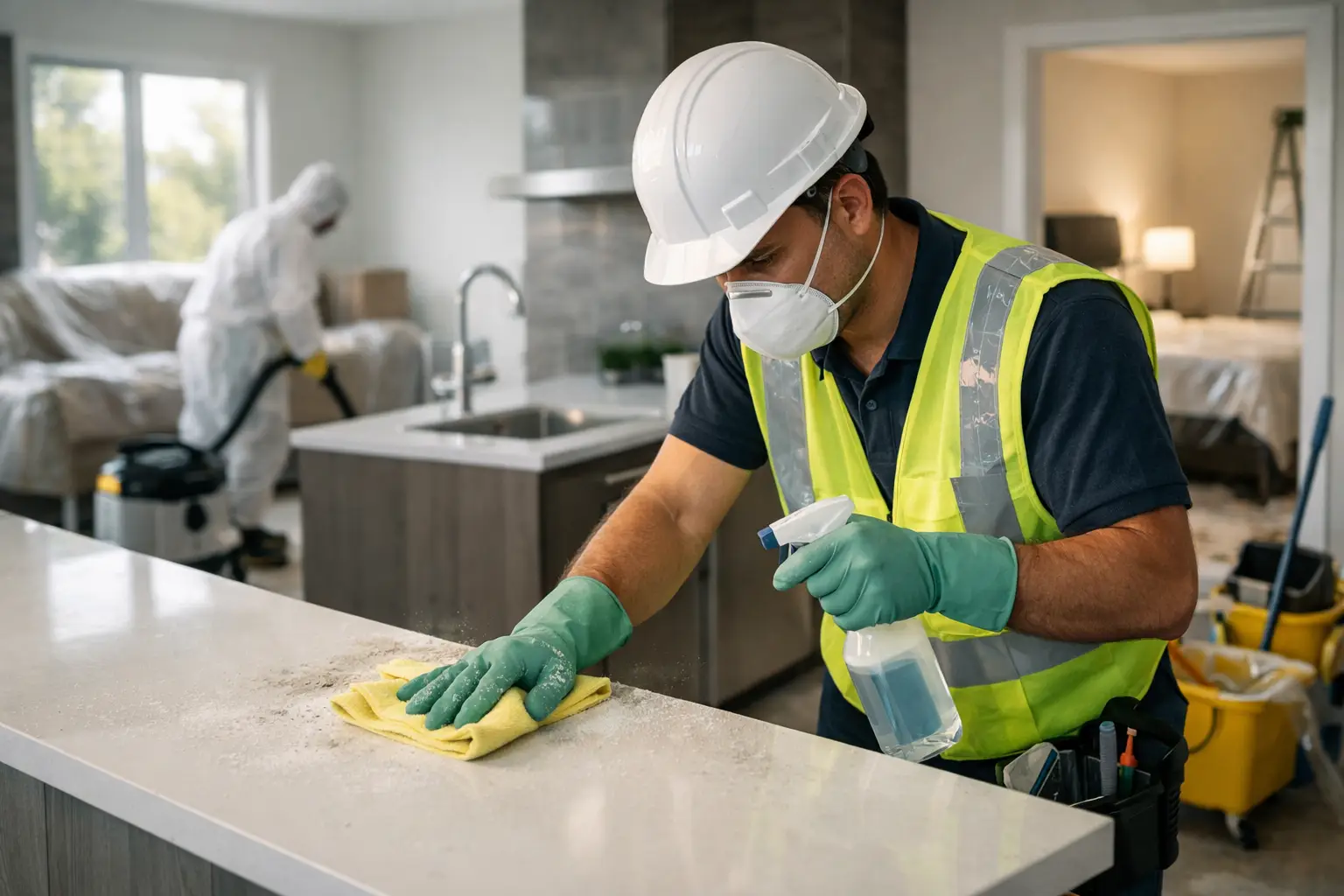
If you recently had renovation work done, mention that too. Construction dust behaves differently than normal household dust, and it often settles in vents, trim, window tracks, and other detailed areas.
What not to do before a deep cleaning
You do not need to scrub bathrooms, vacuum the whole house, or wipe down kitchen cabinets ahead of time. Save your energy.
You also do not need to stage your home to make it look perfect. Professional cleaners work in real homes and active workplaces. A lived-in space is normal.
The main things to avoid are leaving clutter everywhere, forgetting to secure sensitive items, and failing to mention expectations. Those are the issues that tend to create the most frustration.
When preparation matters even more
Some situations call for extra planning. Move-out cleans, move-in cleans, post-renovation service, and first-time deep cleans often involve more buildup or tighter timelines. In those cases, a walkthrough, checklist, or clear pre-service conversation is especially useful.
For larger homes and commercial spaces, it may also help to prioritize zones rather than expecting every area to receive the same level of attention in the same amount of time. It depends on the condition of the property, the number of rooms, and the exact scope booked.
A company like Get It Done Cleaning Services will usually be able to guide you on what is realistic for the time scheduled and whether add-on services make sense.
A deep clean should feel like a reset, not another thing on your list to manage. If you focus on clearing access, protecting personal items, and sharing your priorities, you set the stage for a much better result with far less stress.