A home can look fine on Saturday morning and feel out of control by Wednesday night. The difference is rarely motivation. It is usually the number of people using the space, the amount of time spent there, and whether cleaning tasks have a dependable routine. Knowing how to choose recurring cleaning frequency helps you pay for the level of support your space actually needs, without booking too often or waiting until every room needs a reset.
For most households and businesses, the right answer is not simply weekly or biweekly. It depends on traffic, lifestyle, health priorities, and the type of cleaning included at each visit. A clear schedule also makes it easier to maintain a healthy, welcoming space between professional appointments.
Start With How Your Space Is Used
The more a room is used, the faster it collects dust, crumbs, fingerprints, pet hair, and bacteria. A quiet apartment occupied by one person has very different needs than a busy family home with children, a dog, and people coming and going all day.
Think about what happens in your space during a normal week. Do meals get cooked most nights? Are shoes worn indoors? Does the entryway collect mud, salt, or leaves? Are bathrooms shared by several people? These small daily factors determine how quickly cleaning builds up.
For commercial spaces, consider employee count, client visits, public access, and the nature of the work. An office with a few staff members may stay presentable with weekly service. A busy storefront, clinic, gym, or shared workplace may need cleaning several times per week to maintain sanitation and a professional appearance.
How to Choose Recurring Cleaning Frequency at Home
Weekly cleaning is usually the best fit for busy households, homes with multiple children, pet owners, frequent entertainers, and anyone who wants bathrooms and kitchens kept consistently fresh. It is also a practical choice when household members have allergies or asthma, since regular dusting, vacuuming, and surface cleaning can reduce the buildup of common irritants.
A weekly schedule does not mean your home is unusually dirty. It means the high-use areas never have much time to get there. Kitchen counters, floors, toilets, sinks, and touchpoints receive regular attention, so the home stays easier to live in and easier to maintain.
Biweekly cleaning is often the most balanced choice for working professionals, couples, smaller families, and households that do light upkeep between visits. It provides a reliable reset every other week without requiring a weekly appointment. If you can manage dishes, laundry, spills, and quick wipe-downs but struggle to find time for bathrooms, vacuuming, mopping, and detailed dusting, biweekly service is often a strong match.
Monthly cleaning can work well for single-person households, low-traffic homes, guest suites, or customers who handle regular cleaning themselves but want professional help with the jobs that tend to get postponed. The trade-off is that each visit may require more effort to bring bathrooms, floors, and dust-prone areas back to a polished standard.
If you are unsure, begin with biweekly service and assess the condition of your home after two or three visits. If it feels comfortable and manageable between appointments, the schedule is working. If pet hair, bathroom buildup, or kitchen mess returns too quickly, moving to weekly cleaning may offer better value and less stress.
Consider Pets, Children, and Health Needs
Pets and children change the cleaning equation quickly. Dogs track in outdoor debris, shed hair, and leave nose prints on doors and windows. Cats can spread litter outside the box. Young children create frequent spills, crumbs, sticky surfaces, and a steady stream of toys and activity in common rooms.
For these households, weekly cleaning is often less about appearance and more about comfort. Regular floor care, dust removal, bathroom cleaning, and kitchen sanitation help create a cleaner environment for the people and animals using it every day.
Health needs deserve equal consideration. Households managing allergies, respiratory sensitivities, limited mobility, or a weakened immune system may benefit from more frequent professional cleaning. The right plan should prioritize the areas that matter most, such as bathrooms, kitchens, bedrooms, frequently touched surfaces, and upholstered furniture that holds dust and allergens.
Eco-friendly products can be an important part of this decision, especially for families with children and pets. Ask what products and methods are used, and make sure your cleaner understands any scent sensitivities or product restrictions in your home.
Match the Schedule to Your Budget and Scope
Recurring cleaning is most useful when the service scope matches your priorities. A weekly visit focused on kitchens, bathrooms, dusting, vacuuming, and mopping can be more valuable than a less frequent appointment that tries to tackle everything after it has built up.
Before choosing a frequency, decide which tasks you want handled consistently. For many homes, the priority is maintaining bathrooms, floors, kitchen surfaces, and visible dust. Other households may need more attention on pet hair, baseboards, appliance exteriors, or high-touch areas.
A professional cleaning company should provide a clear checklist so you know what is included at every visit. This prevents assumptions and lets you compare options fairly. If your budget is limited, biweekly service with a well-defined routine is often more effective than occasional cleanings that leave long gaps between maintenance.
It is also reasonable to adjust your schedule over time. You may want weekly cleaning during a demanding work season, after a new baby arrives, or through winter when entryways get messy. A quieter season may make biweekly or monthly cleaning more suitable. Flexible scheduling should support your real life, not force you into a plan that no longer fits.
Choose a Different Frequency for a Business
Commercial cleaning frequency should protect both the employee experience and your business reputation. Customers notice dirty floors, streaked glass, overflowing trash, and neglected restrooms quickly. Staff notice them too, especially in shared kitchens, washrooms, and work areas.
A small office may need weekly cleaning if employees are tidy and there is little public traffic. Offices with daily visitors, shared desks, lunchrooms, or multiple restrooms often benefit from two or more visits per week. Retail spaces, restaurants, medical settings, and high-traffic facilities may require daily attention to keep sanitation and presentation at the expected standard.
When deciding, focus on the rooms that create the strongest impression or carry the greatest hygiene risk. Entrances, washrooms, reception areas, break rooms, and floors usually need the most consistent care. You can then build a schedule around those spaces rather than paying for the same level of detail everywhere.
Know When a Deep Clean Should Come First
Recurring service works best when the space has a solid starting point. If it has been months since the bathrooms were thoroughly scrubbed, dust has collected on trim and vents, or floors need more than routine mopping, begin with a deep clean.
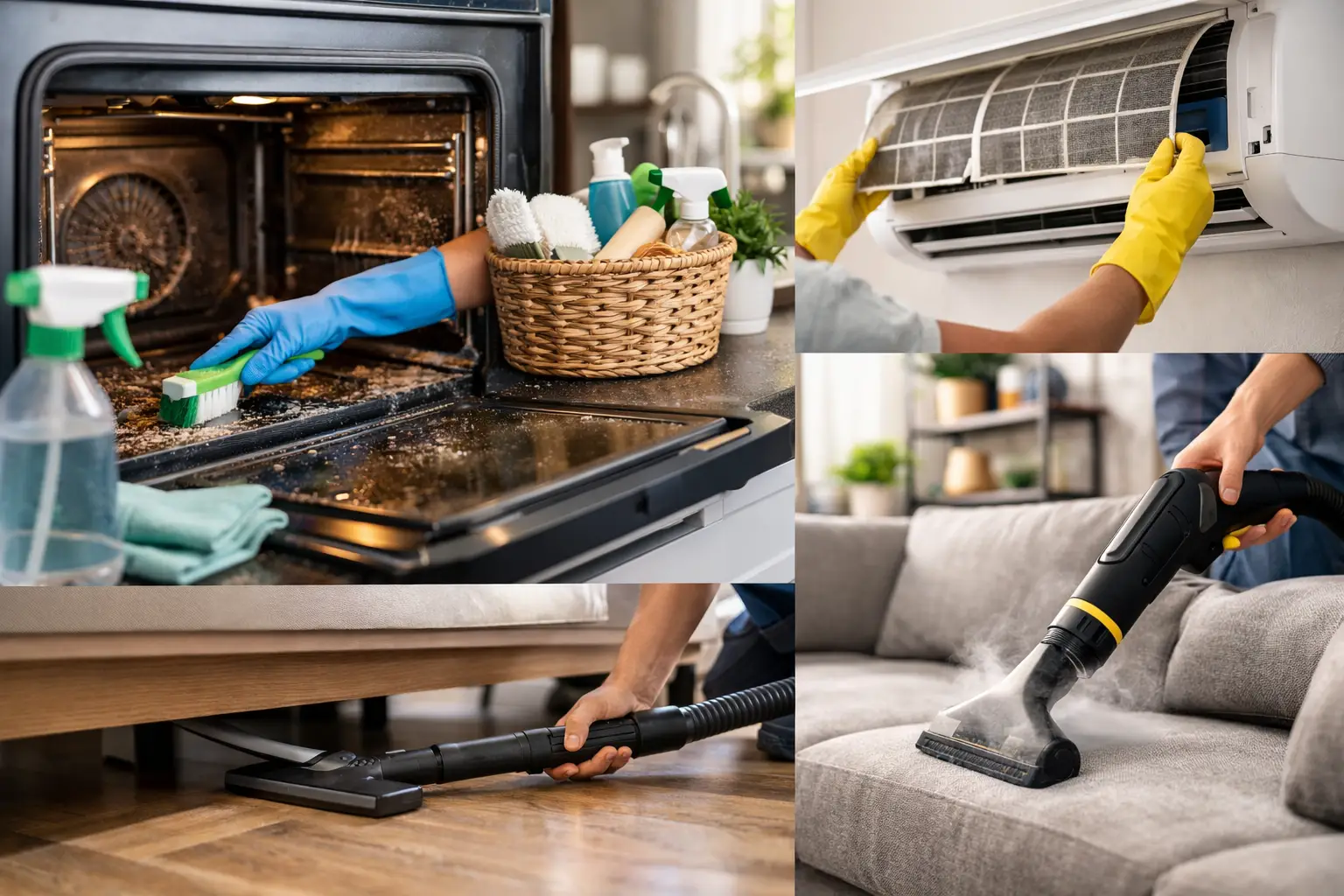
A deep cleaning establishes the baseline. Once the detailed work is completed, recurring visits can focus on maintaining the results instead of spending every appointment catching up. This approach is especially helpful after a move, renovation, illness, busy holiday season, or change in household routine.
The same principle applies to businesses. A detailed initial service can address buildup in corners, appliances, fixtures, upholstery, and hard-to-reach areas before a recurring plan takes over.
Look for Reliability, Not Just an Open Time Slot
The best cleaning frequency will only help if the service is dependable. Look for trained and insured cleaners, clear communication, a visible scope of work, and a company willing to adjust the plan as your needs change. Reliable recurring service should make your week easier, not create another task to manage.
For Hamilton homes and businesses, Get It Done Cleaning Services can help tailor a recurring plan around the pace of your space, from weekly maintenance to flexible biweekly support. A clean space should feel like steady relief, not a project that keeps returning to the bottom of your list.