A cleaner may be working around hardwood floors, electronics, glass fixtures, customer files, pets, and personal belongings. That is why insured cleaning company benefits go far beyond a line in an advertisement. Insurance helps create a clear plan for the unexpected, so you can book professional cleaning with greater confidence and less risk.
For homeowners, renters, property managers, and business owners, the question is not whether a cleaning team intends to do good work. Professional cleaners do. The practical question is what happens if an accident occurs while work is being completed. Choosing an insured company is one of the simplest ways to protect your space, your budget, and your peace of mind.
Why insurance matters during professional cleaning
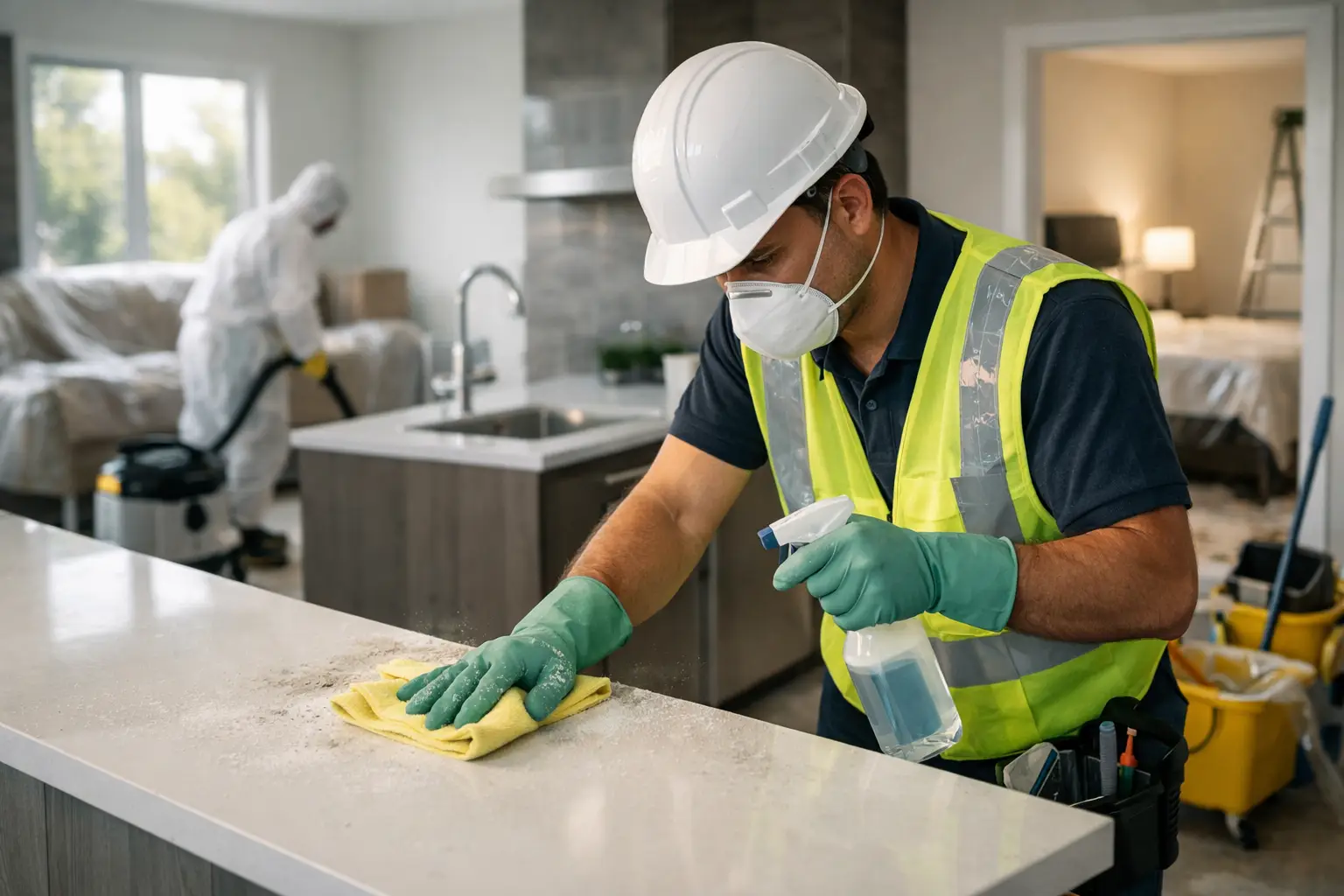
Cleaning is hands-on work. A team may move furniture to reach baseboards, use equipment near outlets, handle commercial-grade products, or work quickly to prepare a property for move-in, move-out, or reopening. Even with training, careful checklists, and the right supplies, accidents can happen.
A properly insured cleaning company has coverage designed to address certain incidents connected to its work. The exact protection depends on the policy and the situation, but insurance shows that the company has taken responsibility seriously before entering a customer’s home or workplace.
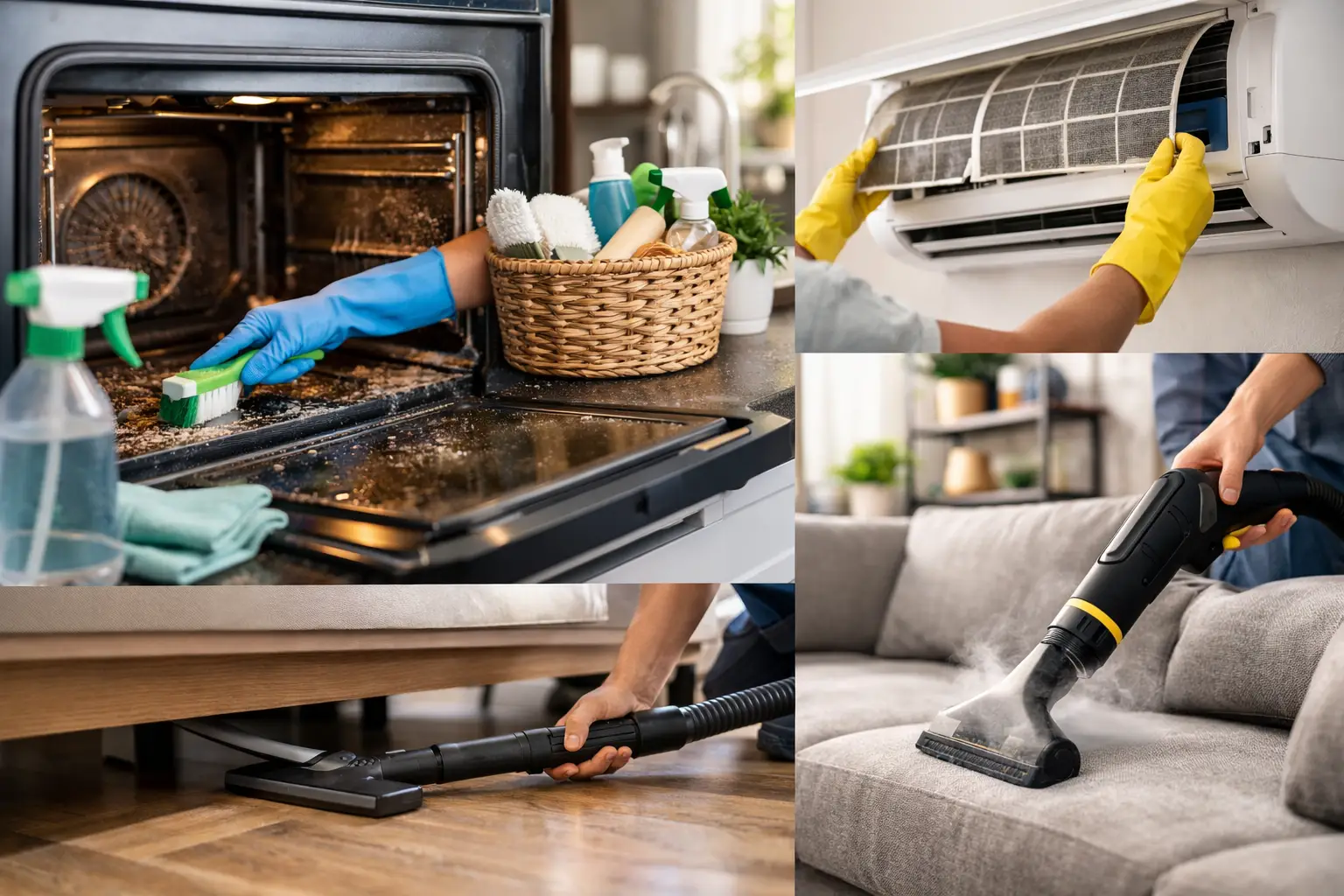
This matters especially for detailed services where the scope is larger. Deep cleaning, post-renovation cleaning, carpet and upholstery cleaning, appliance cleaning, and pressure washing can involve more equipment, more surfaces, and more time on site. The goal is still spotless results, but the need for professional safeguards is greater when the work is more intensive.
Key insured cleaning company benefits for customers
The biggest benefit is financial protection when a covered accident causes damage or injury. If a cleaner accidentally damages a surface, breaks an item, or creates a problem during service, an insured business has a process for responding. That does not mean every issue is automatically covered, and it does not replace good communication. It does mean there is a formal layer of accountability beyond a verbal promise.
Insurance also protects customers from being placed in the middle of an injury claim. Cleaning involves physical tasks such as vacuuming stairs, lifting supplies, reaching high areas, and working around wet floors. If a worker is injured on the job, appropriate worker coverage can help ensure the matter is handled through the employer’s protections rather than becoming a direct concern for the client.
For businesses and property managers, this can be a requirement rather than a preference. Offices, retail spaces, multi-unit properties, and managed buildings often need vendors that meet insurance standards before receiving keys, alarm access, or permission to work after hours. Hiring an insured provider makes vendor approval more straightforward and helps support your own risk-management policies.
There is another benefit that is less visible but equally valuable: professionalism. Maintaining insurance takes planning, documentation, and ongoing business oversight. It is not a guarantee that every company will deliver the same level of cleaning, but it is a meaningful sign that the provider treats the work as a real professional service.
Insurance is not the same as a quality guarantee
It is reasonable to expect insurance, but it should not be the only factor in your decision. A company can be insured and still provide a vague scope of work, unreliable arrival times, or inconsistent results. The strongest choice combines insurance with trained staff, clear service checklists, respectful communication, and a process for addressing concerns.
Before booking, ask what is included in the service. A recurring home cleaning may focus on routine maintenance, while a deep clean should cover more detailed areas such as buildup on fixtures, edges, doors, and high-touch surfaces. A move-out cleaning may need attention inside cabinets, appliances, and empty rooms. When expectations are written clearly, there is less chance of a frustrating surprise after the appointment.
It also helps to ask how the company handles accidental damage or concerns about completed work. You are not looking for a complicated legal explanation. You are looking for a calm, direct answer: who should be contacted, what information is needed, and how quickly the company will respond.
What to ask before hiring a cleaning company
A short conversation before service can prevent confusion later. Start by confirming that the company is insured and that its cleaners are covered while working in customer spaces. If you manage a commercial property or have a building requirement, ask whether proof of insurance can be provided.
Next, discuss the specific job. Tell the company about delicate surfaces, valuable items, pets, access instructions, renovation dust, parking limitations, or any rooms that require special attention. A professional team can plan better when it understands the conditions before arriving.
For larger or specialized jobs, ask whether the company has experience with similar work. Post-renovation cleaning, for example, is different from routine house cleaning. Fine dust can settle inside closets, along trim, and on horizontal surfaces long after construction appears finished. Carpet and upholstery cleaning also require the right approach for the material, stain type, and drying conditions.
Finally, review the scope and pricing before the appointment. The lowest quote is not always the best value if it leaves out the cleaning tasks you actually need. Transparent service tiers, add-ons, and recurring-cleaning options make it easier to choose a plan that fits both your space and your budget.
When insurance matters most
Insurance is valuable for every cleaning visit, but certain situations make it particularly important. Vacant-property turnovers often involve tight deadlines, multiple contractors, and a customer who may not be present during the service. Commercial cleaning can include access to equipment, shared work areas, and spaces used by employees or customers. Homes with children, pets, antiques, or recently renovated finishes also deserve extra care.
Pressure washing is another example. Used properly, it can refresh exterior surfaces, walkways, and other hardscapes. Used carelessly, the wrong pressure or technique can damage materials. An insured, trained provider helps reduce that risk through proper practices and provides added reassurance if an issue needs to be addressed.
For recurring cleaning, insurance supports the trust that builds over time. You may have the same team in your home or office regularly, and that familiarity is valuable. Still, a professional relationship works best when expectations, safeguards, and communication are established from the first visit.
A more confident way to book cleaning help
Choosing insured cleaners is not about expecting the worst. It is about making a practical decision before handing over access to the places that matter most. Insurance supports accountability, protects against certain unexpected events, and signals that the company understands the responsibility of working in customer spaces.
At Get It Done Cleaning Services, that responsibility is paired with detailed service execution, eco-conscious cleaning options, and clear scopes for homes, businesses, and transition-based projects. Whether you need recurring maintenance or a one-time intensive clean, ask the right questions, confirm the protections in place, and choose a team that treats your property with the care it deserves.
A clean space should feel like a relief, not another item to worry about. Booking a trained and insured cleaning company lets you focus on the result: a healthier, more comfortable home or workplace that is ready for what comes next.