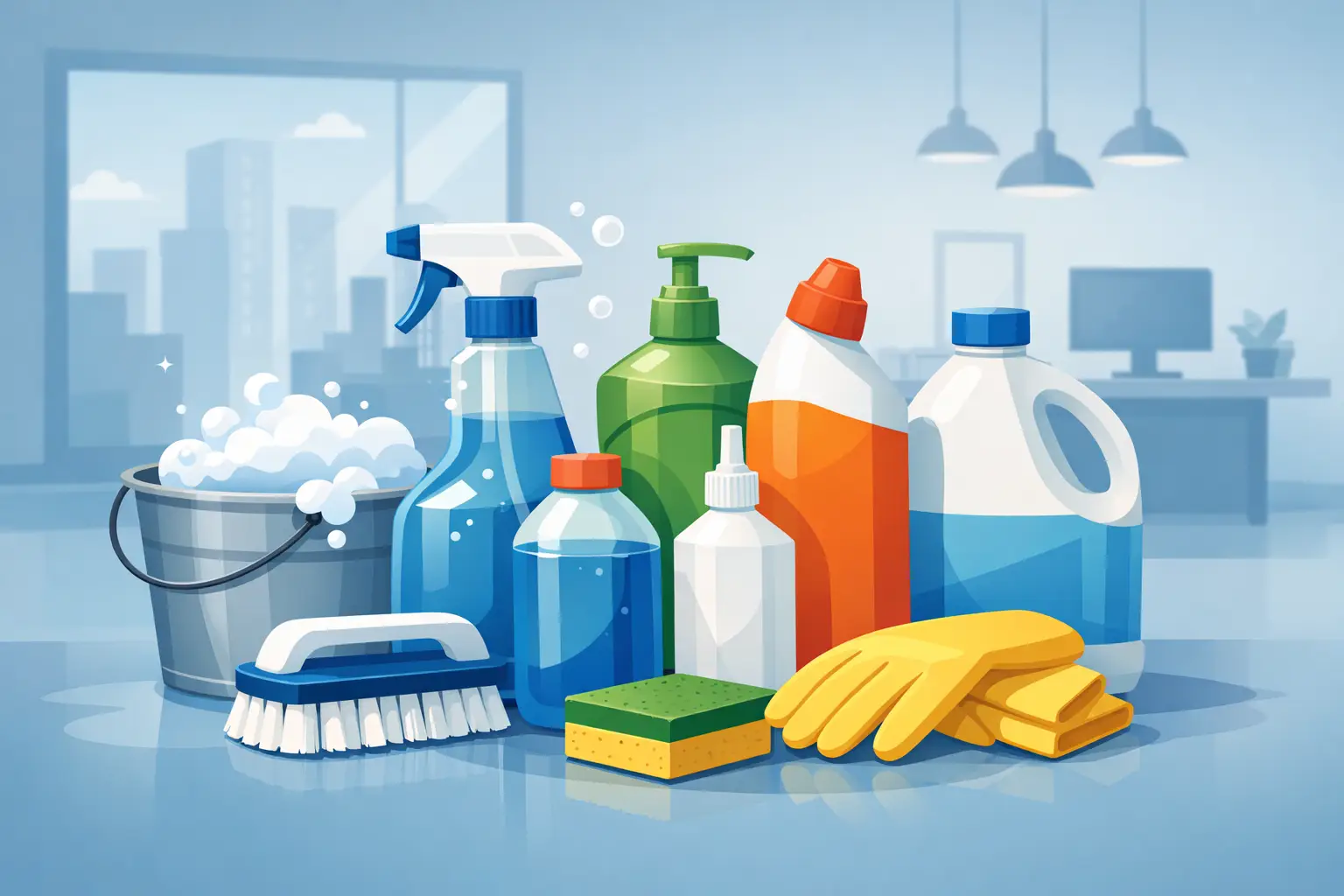
A cleaner home should not leave behind a sharp chemical smell, sticky residue, or worries about what your children and pets may touch next. The best eco friendly cleaning products make everyday cleaning more comfortable while still handling the messes that matter: cooking grease, bathroom buildup, muddy paw prints, and the dust that settles between busy weeks.
The right choice is rarely one miracle bottle. A practical green cleaning setup uses a few effective products for specific jobs, follows label directions, and avoids buying more than your home actually needs. That approach saves cabinet space, reduces waste, and helps keep your living space fresh without sacrificing results.
What Makes a Cleaning Product Eco Friendly?
“Eco friendly” is a useful goal, but it is not a regulated promise on its own. A bright green label or plant graphic does not automatically mean a product is low-impact, gentle, or effective. Look beyond the front of the bottle.
The strongest options generally use ingredients designed to break down more readily, avoid unnecessary dyes and heavy fragrances, and come in recyclable, refillable, or concentrated packaging. Products with clear ingredient information are also easier to evaluate than vague claims such as “natural” or “non-toxic.”
For families, renters, and pet owners, fragrance deserves extra attention. A lightly scented product may work well for one household, while another may prefer fragrance-free formulas because of allergies, asthma, sensitivities, or simply a preference for a neutral-smelling home. There is no single right answer, but less fragrance is often a sensible place to start.
Eco friendly does not mean weak. It means choosing a product that does its assigned job with fewer unnecessary trade-offs for indoor air, waterways, packaging, and the people using the space.
Best Eco Friendly Cleaning Products by Job
A good cleaning kit is built around surfaces and soils, not marketing categories. Here are the product types that earn their place in most homes.
1. A versatile all-purpose cleaner
An all-purpose spray is the daily workhorse for sealed counters, dining tables, cabinet fronts, door handles, and other hard surfaces. Choose one that clearly lists the surfaces it can be used on and does not leave a tacky film behind.
For light soil, spray the cloth rather than soaking the surface. This gives you better control and uses less product. Microfiber cloths also make a difference: they pick up dust and grease efficiently, can be washed and reused, and reduce the need for disposable wipes.
Do not assume an all-purpose product is suitable for every material. Natural stone, unfinished wood, and specialty finishes may need a dedicated cleaner or a manufacturer-approved method.
2. A degreaser for kitchens
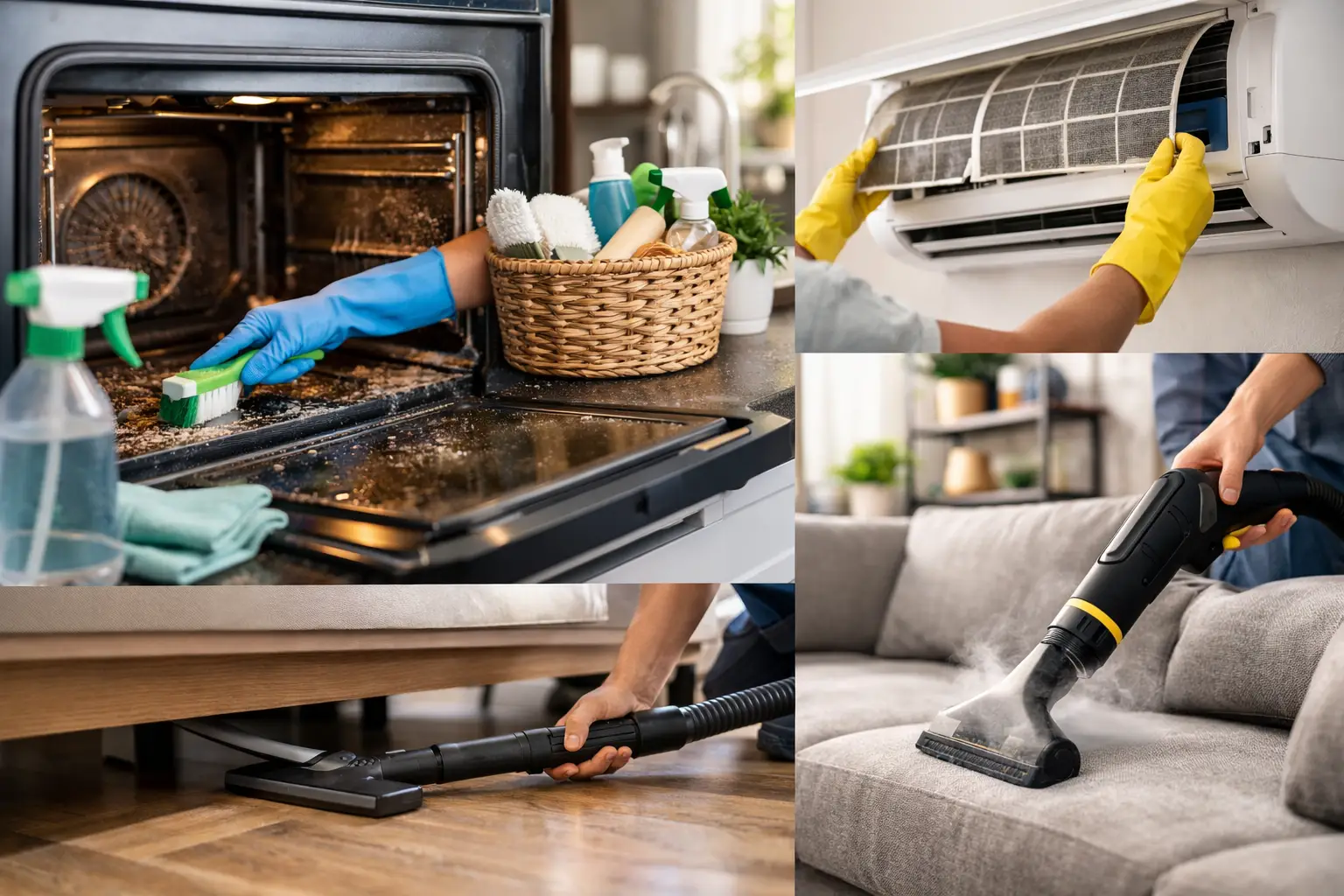
Kitchen grease requires more than a pleasant scent. The best eco friendly cleaning products for this job use surfactants that lift oil from stovetops, range hoods, backsplash tile, and cabinet doors so it can be wiped away instead of smeared around.
Let the degreaser sit for the contact time on its label before wiping. This small step is often more effective than scrubbing harder. For baked-on residue, use a non-scratching scrub pad or a paste-style cleaner approved for the surface.
A degreaser is especially helpful in homes where cooking happens often. Regularly wiping grease-prone areas prevents buildup from becoming a deep-cleaning project later.
3. A bathroom cleaner that tackles soap scum
Bathrooms need products that can handle soap scum, body oils, water spots, and mineral deposits. A plant-based bathroom cleaner can be a good daily or weekly option for sinks, tubs, shower walls, and fixtures, provided it is compatible with the material.
For stubborn hard-water scale, a mild acidic cleaner may be more effective than an all-purpose spray. Use it carefully on appropriate surfaces only. Acidic products can damage natural stone, and they should never be mixed with bleach or other cleaning chemicals.
The most dependable bathroom routine pairs the right product with prevention. Squeegee or wipe shower walls after use, dry faucet bases, and wash bath mats regularly. These simple habits reduce the amount of product and effort needed later.
4. A glass cleaner with a low-residue finish
A good glass cleaner should leave mirrors, windows, glass tables, and shower doors clear rather than streaky. Fragrance-free or low-odor formulas can be a comfortable choice for enclosed rooms, especially bathrooms and home offices.
Use a clean, dry microfiber cloth and avoid overspraying. Many streaks come from using too much cleaner or from transferring residue from a previously used cloth. For exterior windows or difficult hard-water marks, professional techniques and equipment may be needed for a truly clear finish.
5. A laundry detergent with a concentrated formula
Laundry products affect more than clothing. They also enter wastewater and can leave fragrance or detergent residue on fabrics. Concentrated laundry detergents reduce packaging and shipping weight, while fragrance-free options are a practical choice for sensitive skin.
Measure detergent carefully. Using extra will not make clothing cleaner, but it can leave buildup in the machine and on fabrics. For heavily soiled loads, pretreat stains and choose the right wash cycle instead of relying on more detergent.
6. A floor cleaner matched to your flooring
Floors collect everything: grit from outside, pet hair, food crumbs, and residue from shoes. The safest floor cleaner is one made for your floor type. Hardwood, laminate, vinyl, tile, and natural stone have different needs, and excess water can be as damaging as the wrong solution.
For routine care, a diluted, low-residue cleaner and a well-wrung microfiber mop are usually enough. Avoid soaking floors, especially laminate and wood. If the floor still looks dull after cleaning, the issue may be old product buildup rather than dirt.
How to Choose Products Without Falling for Greenwashing
Start by reading the label as a working document, not just a sales pitch. Check the intended surfaces, dilution instructions, safety information, and whether the product is concentrated. A refill system can reduce plastic waste, but only if you will actually use the refills consistently.
Third-party certifications can offer an additional layer of confidence, particularly when they address ingredient safety or environmental performance. Still, certifications do not replace common sense. A safer product can irritate eyes if sprayed carelessly, and a biodegradable formula should not be poured into places where it does not belong.
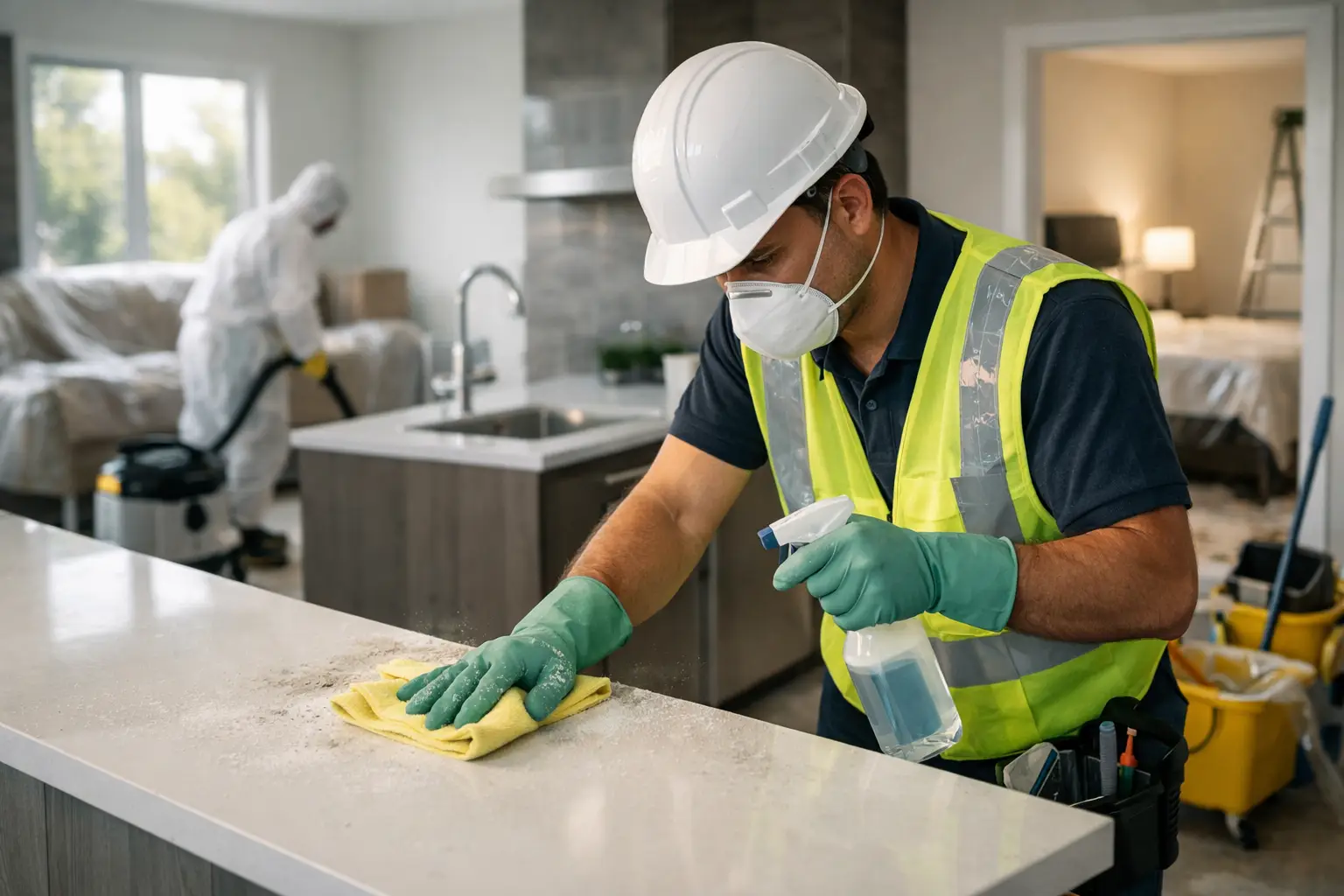
Consider your household’s real priorities. A pet owner may prioritize floor and upholstery products with minimal scent. A busy family may value a dependable all-purpose cleaner and easy refill system. A property manager preparing a turnover may need stronger specialty products for grease, scale, or post-renovation dust. The best option depends on the job, the surface, and the people using the space.
A Few Safety Rules Still Matter
Eco conscious cleaning requires the same care as any other cleaning routine. Never mix products unless the manufacturer specifically says it is safe. In particular, do not combine bleach with ammonia, acids, vinegar, or other cleaners. The resulting fumes can be dangerous.
Keep all products, including plant-based ones, secured away from children and pets. Open a window or run ventilation when working in small bathrooms, kitchens, or laundry rooms. Wear gloves if a product label recommends them or if your skin is sensitive.
Vinegar, baking soda, and dish soap can be useful for certain light tasks, but they are not universal substitutes. Vinegar can etch stone, baking soda can be too abrasive for delicate finishes, and homemade mixes do not disinfect or remove grime equally well in every situation. Use simple solutions where they fit, and use a purpose-made product when the surface or soil calls for it.
When Professional Cleaning Makes More Sense
Eco friendly products work best when cleaning is consistent. Once grease, soap scum, carpet spots, or renovation dust have been sitting for months, the job may require more time, tools, and product knowledge than a quick weekend reset allows.
That is where a detailed professional cleaning can help. At Get It Done Cleaning Services, trained and insured cleaners use eco-conscious methods alongside a clear scope of work, so homeowners and businesses can address buildup without guessing what needs attention. A recurring service can also keep high-touch and high-use areas from reaching the point where heavy restoration is needed.
For your own routine, keep it simple: choose a few well-matched products, use reusable tools, clean spills before they set, and follow directions every time. A healthier home is built through steady care, not a cabinet full of bottles.