Pet hair has a way of collecting where renters least expect it: along baseboards, under the couch, inside radiator covers, and on the one dark sweater needed for work. Apartment cleaning for pet hair works best when it is treated as a regular maintenance job, not a last-minute cleanup before guests arrive. With the right order, tools, and a realistic schedule, a pet-friendly apartment can feel fresh without spending every free evening chasing fur.
Start by Removing Hair Before You Clean
Vacuuming is more effective when loose hair has already been lifted from fabrics and corners. If you begin with mopping or wiping, wet surfaces can turn fur into stubborn little clumps that stick to the floor or cloth.
Use a reusable lint brush, rubber glove, or dry microfiber cloth on upholstered furniture, pet beds, curtains, and throw pillows. A slightly damp rubber glove is especially useful on fabric sofas: run it over the surface in one direction, and the hair will gather into manageable clumps. For rugs, a rubber broom can loosen embedded fur before vacuuming.
Work from high to low. Start with furniture, window ledges, and shelves, then move to baseboards, floors, and entryways. This simple sequence prevents hair from drifting back onto surfaces you have already cleaned.
The Right Vacuuming Routine for Apartments
A compact apartment can show pet hair quickly because there are fewer places for it to disappear. High-traffic areas near the front door, food bowls, litter boxes, and favorite sleeping spots usually need attention more often than the rest of the home.
For most pet households, vacuuming floors and upholstered furniture once or twice a week is a practical baseline. During shedding season, a quick pass every other day in the main living area can make a noticeable difference. The goal is not to deep clean constantly. It is to stop hair from building up in carpet fibers, under furniture, and along edges.
Use the vacuum attachments rather than relying only on the main floor head. The crevice tool reaches corners, around appliances, beneath sofa cushions, and along baseboards. An upholstery attachment helps lift hair and dander from chairs, mattresses, and fabric headboards. If your vacuum has a brush roll, check it regularly. Long hair and pet fur can wrap around it and reduce suction.
Bagless vacuums should be emptied before they become packed. A full canister lowers performance and can release dust when opened. For households with allergy concerns, a vacuum with a sealed filtration system and a high-efficiency filter can help capture fine dander instead of recirculating it through the apartment.
Do Not Forget the Places Pets Actually Use
A spotless-looking floor can still hold odors and allergens if pet areas are skipped. Wash pet bedding regularly according to the care label, and vacuum under and around it before putting it back. Clean food and water mats, wipe the wall near feeding stations, and check behind litter boxes for tracked granules and hair.
If your pet enjoys the windowsill, couch back, or a particular chair, build those surfaces into the routine. Cleaning the favorite spots first gives you better results than treating every room exactly the same way.
Apartment Cleaning for Pet Hair on Floors and Rugs
Hard floors are usually easier to maintain, but they still need the right approach. Vacuum or dry mop first, then damp mop with a pet-safe floor cleaner that matches the surface. Avoid soaking laminate, hardwood, or seams around vinyl flooring. Too much water can cause damage and may push hair into edges instead of lifting it away.
For carpet and area rugs, slow vacuum passes matter more than rushing through the room. Make several passes in alternating directions, especially where your pet lies down. Hair often becomes woven into carpet fibers, so one quick pass across the surface rarely removes it all.
Spot clean accidents promptly with an enzyme-based pet cleaner. These products are designed to break down the source of organic odors rather than cover them with fragrance. Test any cleaner in a hidden area first, particularly on delicate rugs or upholstery. If a smell returns after the surface dries, the affected area may need a more thorough carpet or upholstery cleaning.
Control Dander and Odors, Not Just Visible Fur
Pet hair is the obvious issue, but dander and odors are often what make an apartment feel less clean. Dander settles on fabric, dust, vents, and surfaces throughout the home. A routine that only focuses on the floor will leave much of it behind.
Dust weekly with a slightly damp microfiber cloth, which captures particles instead of sending them into the air. Wipe baseboards, door frames, blinds, fan blades, and the tops of cabinets where dust and fur settle quietly. Launder blankets and removable cushion covers often enough to keep odors from becoming established.
Fresh air can help, but it is not a replacement for cleaning. Open windows when weather and building rules allow, and replace HVAC filters on schedule if you control the unit. Portable air purifiers may be worthwhile in a small apartment for people with allergies, but they will not remove hair from furniture or eliminate the need for vacuuming.
Be cautious with heavily scented sprays and candles. They can mask odors temporarily, but some pets are sensitive to fragrance. Neutralizing the source through washing, vacuuming, and targeted enzyme treatment is usually the better long-term solution.
A Manageable Weekly Pet Hair Checklist
Consistency keeps the job from becoming overwhelming. A weekly reset is often enough for a well-maintained apartment, with quick touch-ups between cleanings.
- Brush or groom your pet in a controlled area, then sweep or vacuum immediately.
- Remove hair from sofas, chairs, pet beds, and throw blankets.
- Vacuum floors, rugs, corners, and baseboards using the appropriate attachments.
- Damp mop hard floors after loose hair has been removed.
- Dust accessible surfaces and wipe pet feeding or litter areas.
- Wash bedding, blankets, and washable covers as needed.
The schedule can change based on your pet, flooring, and household. A short-haired cat may shed heavily at certain times of year, while a large dog may bring in outdoor dirt along with fur. Homes with multiple pets, carpets, or allergy-sensitive residents generally benefit from more frequent maintenance.
When a Professional Cleaning Is Worth It
Regular upkeep handles most daily fur, but professional help can be useful when hair and odor have built up beyond what standard vacuuming can manage. This is common before a move-out inspection, after adopting a pet, following a long winter with closed windows, or when furniture and carpeting have not been deep cleaned in some time.
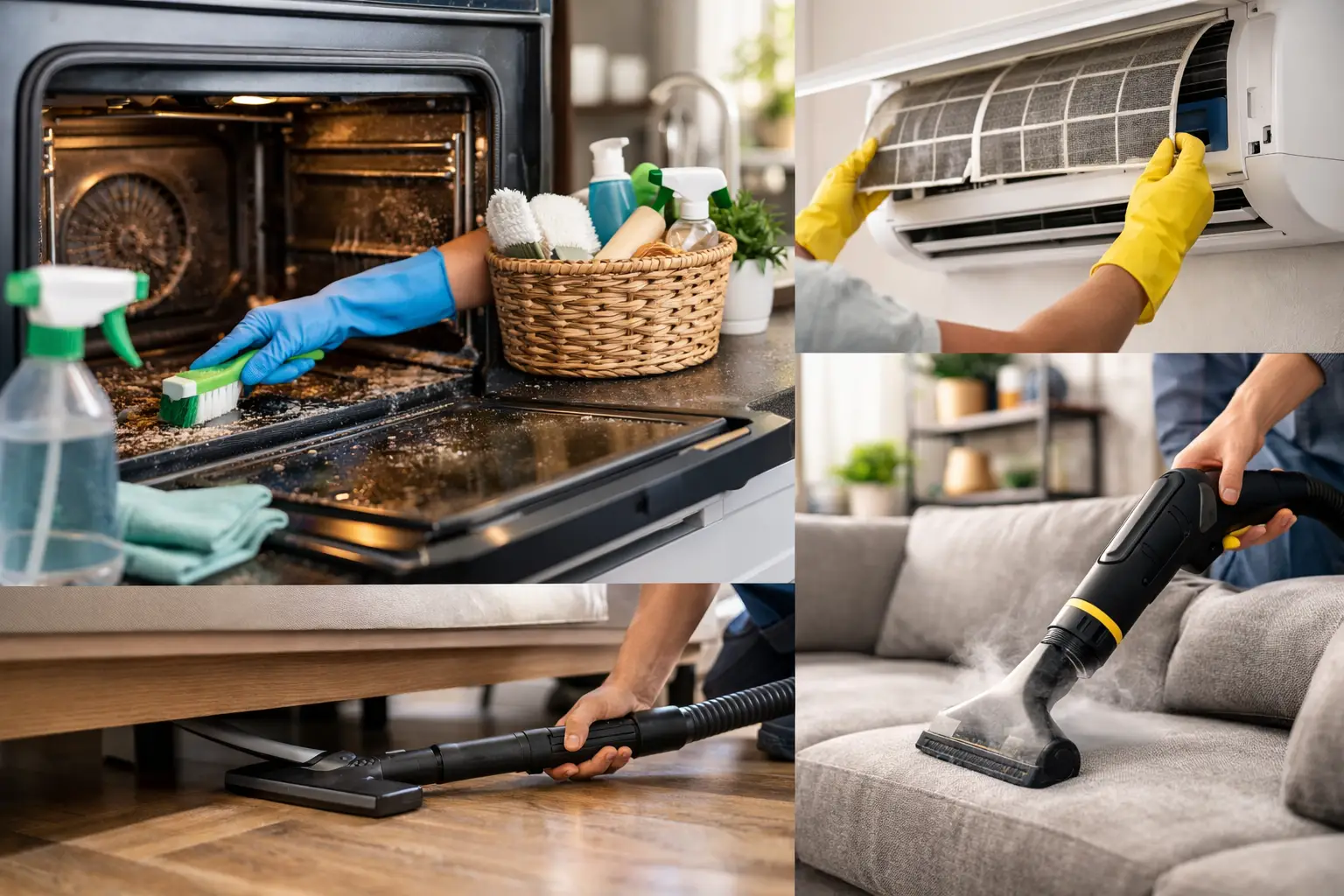
Professional carpet and upholstery cleaning can remove embedded debris, pet dander, and residue that ordinary surface cleaning leaves behind. A detailed deep clean can also address baseboards, behind appliances, vents, and other areas that are easy to miss in a busy week. For renters, this can be particularly helpful when preparing an apartment for a landlord walkthrough.
Get It Done Cleaning Services provides detailed residential cleaning and specialty cleaning support for Hamilton-area households that need a dependable reset. When booking any service, be clear about the number and type of pets, affected rooms, flooring, upholstery, and any odor or stain concerns. That information helps set the right scope of work and avoids surprises on cleaning day.
A pet-friendly apartment does not need to look like a constant cleaning project. Focus on the surfaces your pet uses most, remove hair before wet cleaning, and keep a simple routine that fits your week. A few consistent steps will protect your floors, make furniture more comfortable, and help your home feel ready whenever someone stops by.