
A home usually does not feel dirty all at once. It happens in layers – crumbs on the counter, dust on the baseboards, fingerprints on the fridge, a bathroom that looked fine three days ago and suddenly does not. The best weekly cleaning routine prevents that buildup before it turns into a full weekend project.
For busy households, the goal is not perfection. It is consistency. A routine that works should keep your kitchen, bathrooms, floors, and high-touch surfaces under control without asking you to spend every spare hour cleaning. That matters even more if you have kids, pets, guests coming through, or a work schedule that makes deep cleaning hard to keep up with.
What makes the best weekly cleaning routine work
The strongest cleaning routine is realistic enough to repeat. That means it should match your home, your schedule, and the level of traffic your space gets. A one-bedroom apartment and a four-bedroom family home do not need the same plan, and a house with two dogs will usually need more floor care than one without pets.
A good weekly system also separates maintenance cleaning from deep cleaning. Weekly cleaning handles the mess you create through normal living. Deep cleaning covers the grime that builds over time in places like baseboards, vents, behind appliances, and shower grout. When people try to squeeze both into one routine, they usually burn out or skip important tasks.
If you want a cleaner home with less effort, think in three layers: light daily resets, focused weekly tasks, and occasional deeper work when needed.
Start with small daily resets
Daily cleaning should be short and practical. Ten to fifteen minutes of upkeep can save hours later in the week. These are not meant to be heavy jobs. They are quick actions that stop mess from spreading.
In the kitchen, wipe counters, load or unload the dishwasher, wash any leftover dishes, and give the sink a fast rinse. In the bathroom, wipe the sink if toothpaste or water spots are building up and hang towels properly so they dry. In shared living areas, put away clutter, straighten pillows, and do a quick sweep or spot vacuum in the most used zones.
These resets matter because weekly cleaning works better when surfaces are already mostly clear. If every room starts the week in a half-finished state, cleaning takes longer and feels more frustrating than it should.
A practical best weekly cleaning routine by day
A daily theme helps many households stay consistent. It spreads out the workload so no single day feels too heavy. If your schedule changes week to week, use the same order of tasks but move the days around.
Monday: Kitchen maintenance
The kitchen usually needs the most regular attention because it collects grease, crumbs, food spills, and bacteria faster than any other room. Start by clearing counters and wiping all surfaces, including the fronts of appliances. Clean the stovetop, microwave interior, sink, and faucet. Sweep and mop the floor, especially around the fridge, stove, and trash area.
If you cook often, your kitchen may need more than one focused cleaning each week. In that case, treat Monday as your full kitchen reset and do lighter touch-ups later.
Tuesday: Bathrooms
Bathrooms look clean right up until they do not. A weekly bathroom clean should include toilets, sinks, mirrors, counters, tubs, showers, and floors. Disinfect high-touch points like faucet handles, flush levers, and light switches. Replace hand towels if needed and empty the trash.
If your home has multiple bathrooms, traffic matters. A guest bathroom may only need light attention, while a primary bathroom used every day may need more scrubbing around the shower and vanity.
Wednesday: Dusting and surfaces
Dusting gets skipped often because it does not always feel urgent, but it affects both appearance and air quality. Focus on shelves, tables, electronics, window ledges, baseboards in visible areas, and furniture surfaces. Work from top to bottom so dust falls to the floor before vacuuming.
Homes with pets, allergies, or forced-air heating and cooling often need more frequent dust control. In those homes, microfiber cloths and regular vacuuming make a noticeable difference.
Thursday: Floors
By midweek, floors usually show the wear of daily life. Vacuum carpets and rugs thoroughly, including edges and corners. Sweep hard floors and mop where needed. Pay extra attention to entryways, kitchens, dining areas, and places where pets sleep or eat.
Floor care is one of the clearest examples of where routine beats effort. A weekly pass is much easier than waiting until dirt gets tracked through the whole house.
Friday: Bedrooms and laundry reset
Bedrooms are often low on visible mess but high on dust, clothing clutter, and neglected surfaces. Change bed linens, tidy nightstands, put away clothes, and vacuum or sweep the floor. If laundry has been piling up, this is a good time to wash sheets and catch up before the weekend.
For families, this is also a smart day to reset school bags, jackets, and shoes so clutter does not spill into the next week.
Weekend: Catch-up or optional extras
The weekend should not turn into an all-day cleaning marathon if the rest of the week is working. Use this time for missed tasks, a quick whole-house reset, or one extra project like wiping doors, cleaning inside the fridge, or organizing a closet.
This is also the best place for flexibility. Some weeks you may need to focus on pet hair. Other weeks it may be fingerprints, laundry, or guest prep. A good routine gives you control without being too rigid.
How to adjust your weekly cleaning routine to your home
The best weekly cleaning routine is not identical for everyone, and that is where many people get stuck. They follow someone else’s checklist and wonder why it feels impossible.
If you have children, focus more on floors, bathrooms, and clutter control. If you have pets, increase vacuuming and pay attention to upholstery, pet beds, and odor-prone areas. If you live alone or travel often, your routine can be lighter, but kitchens and bathrooms still need weekly attention even when the home looks fairly neat.
For offices and commercial spaces, priorities shift slightly. Reception areas, break rooms, restrooms, shared desks, and high-touch surfaces need a structured schedule because cleanliness affects both presentation and sanitation. In those settings, consistency matters as much as appearance.
When weekly cleaning is not enough
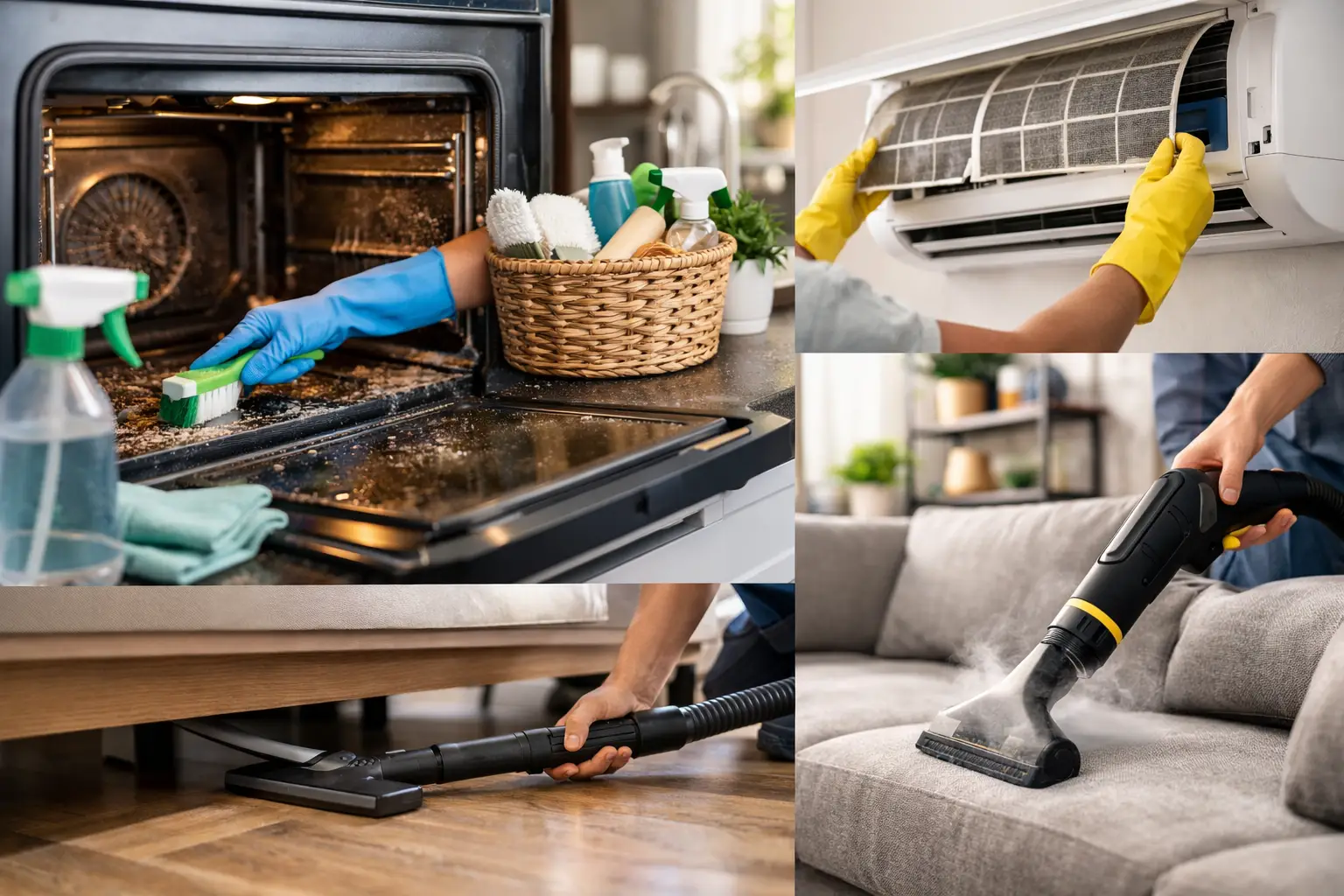
Sometimes the routine is fine, but the home still does not feel fully clean. That usually points to buildup in areas that standard weekly cleaning does not cover. Think inside appliances, behind furniture, ceiling fans, grout lines, vents, blinds, and upholstery.
That is where deep cleaning becomes important. It resets the home to a higher standard so your weekly routine can maintain it instead of constantly playing catch-up. This is especially helpful after busy seasons, before hosting guests, after renovation work, during move-in or move-out transitions, or when recurring upkeep has slipped for a while.
For many households, the most practical solution is a mix of personal upkeep and professional support. You handle the day-to-day resets, and trained cleaners take care of the detailed work that is harder to fit into a packed schedule. That balance often saves time and helps maintain cleaner, healthier spaces without the stress of doing everything yourself.
Common routine mistakes that make cleaning harder
One of the biggest mistakes is saving everything for one day. That approach looks efficient on paper, but in real life it often leads to rushed work, skipped rooms, and frustration. Another common issue is using too many products, which can slow you down and sometimes leave residue behind.
People also tend to underestimate clutter. Cleaning around piles of paper, toys, laundry, or small items makes every task take longer. Tidying first is not extra work – it is what makes actual cleaning possible.
The last mistake is expecting a weekly routine to solve long-term buildup. It will not. Weekly cleaning maintains order. It does not replace deep cleaning, post-renovation cleanup, or move-related cleaning when the situation calls for a more detailed service.
Keep the routine simple enough to repeat
If your cleaning plan feels too ambitious by week two, it is not the right plan. The best routine is the one you can stick with during busy workweeks, school weeks, and the moments when life gets messy. Start with the rooms that affect your comfort most, keep your weekly tasks focused, and leave room for extra help when the job calls for more than a quick reset.
A clean home does not always come from doing more. Most of the time, it comes from doing the right things often enough that the mess never gets a chance to take over.