You vacuumed, wiped the counters, and changed the sheets – but the sneezing still starts the minute you sit on the couch. That is usually the difference between surface tidying and deep cleaning for allergies. When allergens are trapped in carpet fibers, upholstery, vents, baseboards, and forgotten corners, a quick weekly clean often is not enough to make the air feel better.
For households with pets, kids, heavy foot traffic, or older carpet, allergy relief usually comes from removing buildup at the source. That means cleaning the places that collect fine dust, pollen, pet dander, and residue over time, not just the spots you can see at a glance. A cleaner-looking room can still hold a surprising amount of irritation.
Why deep cleaning for allergies matters
Most allergy triggers inside a home are lightweight and persistent. Dust mites settle into fabric and bedding. Pet dander spreads far beyond the floor. Pollen gets tracked in on shoes, clothes, and bags, then settles into rugs and window areas. Even cooking residue and moisture can add to indoor air quality issues by encouraging grime and mold growth in overlooked areas.
That is why allergy-focused cleaning needs more than a spray bottle and a fast once-over. Deep cleaning is about reducing the total allergen load in the home. The lower that load, the less your body has to react to.
There is also a practical trade-off here. Not every home needs the same level of intensity. A one-bedroom apartment with hard floors may improve quickly with targeted work. A busy family home with pets, upholstered furniture, and wall-to-wall carpet usually needs a more thorough reset and more consistent follow-up.
Where regular cleaning falls short
Routine cleaning is still valuable. It keeps messes from building up and helps maintain a healthier home overall. But when allergies are the issue, regular cleaning often misses the problem areas that keep symptoms going.
Floors are a good example. Vacuuming visible debris helps, but standard vacuuming may not fully remove fine particles buried deep in carpet. The same goes for upholstered furniture, mattress surfaces, and fabric dining chairs. Dusting can also make things worse if it simply moves particles into the air instead of removing them with the right tools.
Bathrooms and kitchens matter too. While they are not the first places people think about for allergies, moisture and residue in these spaces can contribute to mold, mildew, and general air quality problems. Exhaust fans, grout lines, under-sink cabinets, and behind appliances are common trouble spots.
The areas that make the biggest difference
If your goal is symptom relief, some areas deserve more attention than others. Carpets and rugs are high on the list because they hold dust, dander, pollen, and debris below the surface. Upholstery is another major collector, especially in homes where pets use the furniture.
Bedrooms are often the most important room to address because people spend hours there every night. Bedding, mattresses, under-bed dust, curtains, and surrounding baseboards all play a role. If someone wakes up congested or itchy, this room usually needs a closer look.
Hard-to-reach surfaces are also more important than they seem. Ceiling fans, vents, blinds, window tracks, trim, and behind furniture can collect layers of fine dust that re-enter the air every time the room is used. In many homes, these are the spots that get skipped for months.
What effective deep cleaning for allergies should include
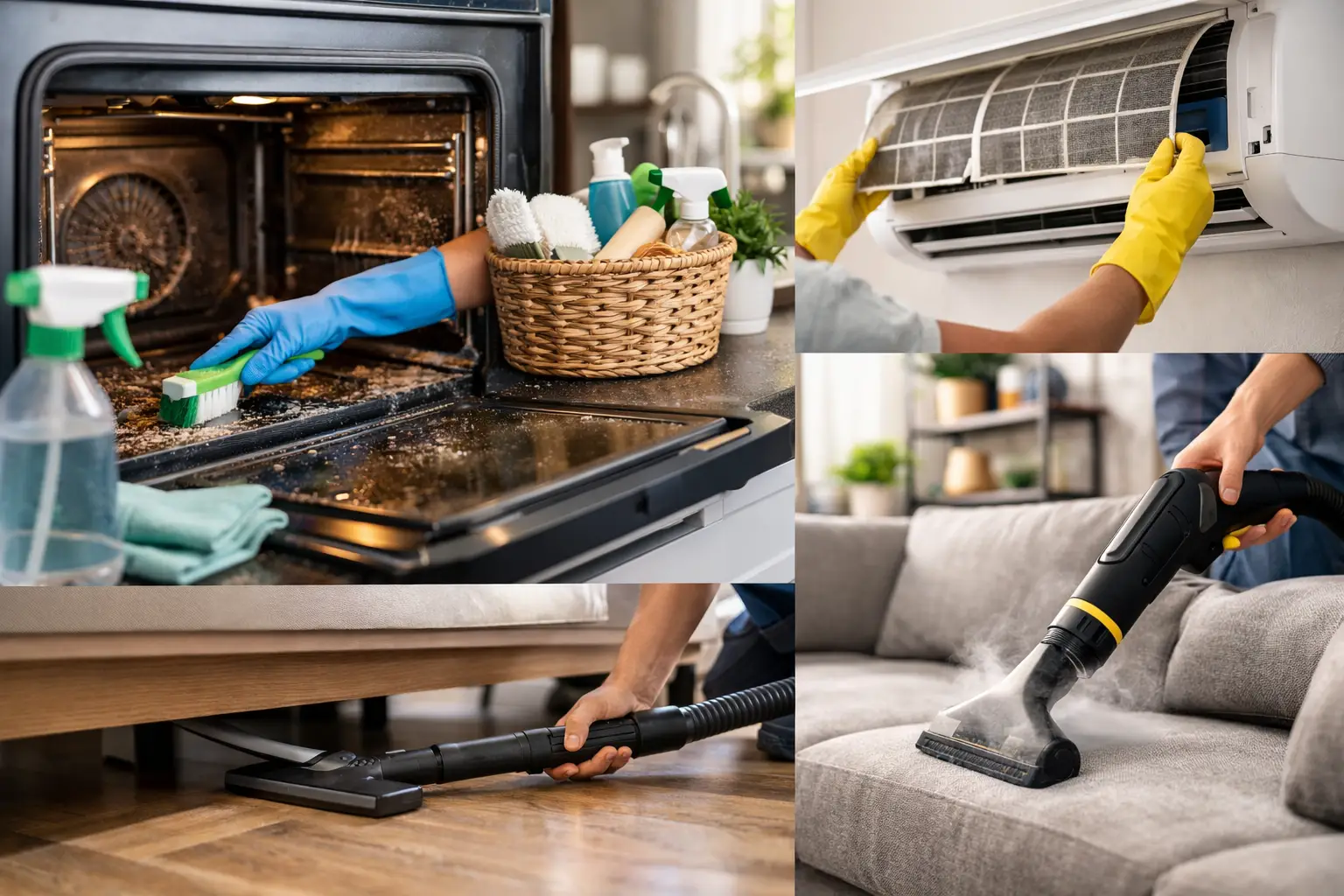
A proper allergy-focused deep clean should remove buildup instead of just masking it. That starts with detailed dust removal using methods that trap particles, not spread them around. It also includes vacuuming with strong filtration, careful attention to fabric surfaces, and washing or wiping the places where residue settles over time.
In practical terms, that often means cleaning baseboards, vents, blinds, door frames, windowsills, under furniture, and behind movable items. Kitchens and bathrooms should be cleaned beyond the obvious surfaces, with special attention to buildup, moisture, and hidden grime. Floors should be treated based on material, because the right method for tile is not the same as the right method for hardwood or carpet.
For many homes, carpet and upholstery cleaning can make a noticeable difference. That is especially true for pet owners and families with young children who spend a lot of time on soft surfaces. Deep extraction helps remove what ordinary vacuuming leaves behind.
Eco-friendly products and allergy concerns
People with allergies are not always reacting to dust alone. Strong fragrances, harsh chemical residues, and aerosolized cleaners can also trigger discomfort. That is why product choice matters.
Eco-friendly cleaning products are often a better fit for households trying to reduce irritation, especially when they are used correctly by trained professionals. That does not mean every green product works the same or that stronger products are never needed. It depends on the surface, the level of buildup, and whether the issue is allergens, grease, bacteria, or post-construction dust.
The goal is simple: clean thoroughly without leaving behind unnecessary residue or overpowering scents. For many families, that balance is what makes a home feel truly fresh rather than just freshly sprayed.
When to handle it yourself and when to call in help
Some allergy-related cleaning can absolutely be handled in-house. Washing bedding weekly, vacuuming with a good filter, reducing clutter, and wiping down high-touch surfaces all help. If your symptoms are mild and your home is easy to maintain, a consistent routine may be enough.
But there are times when professional service is the more practical choice. If buildup has been accumulating for months, if you are dealing with pet hair embedded in fabric, if a move-in or move-out is involved, or if post-renovation dust is lingering, a deeper level of cleaning is usually needed. The same goes for busy households where there simply is not enough time to stay ahead of it.
Professional cleaners bring structure to the process. A clear checklist, the right equipment, and experience with high-buildup areas can save time and produce more complete results. For allergy-sensitive households, detail matters. Missing a few key zones can be the difference between real relief and no change at all.
How often should allergy-focused deep cleaning happen?
There is no one schedule that fits every property. It depends on pets, flooring, household size, local pollen levels, and how sensitive the person is. Some homes benefit from seasonal deep cleaning, especially during spring and fall when outdoor allergens are more active. Others need a stronger starting clean followed by recurring maintenance to keep conditions under control.
This is where many people get frustrated. They book one major clean, feel better for a week or two, and then symptoms start creeping back. That does not mean the cleaning failed. It usually means the home needs ongoing upkeep after the initial reset.
A dependable plan often works better than occasional catch-up cleaning. For example, regular maintenance can keep dust levels lower while periodic deep cleaning tackles the buildup that normal visits do not fully address. That combination is often the most realistic option for working families and property managers.
Signs your home may need a deeper reset
If symptoms get worse indoors, if dust returns quickly after cleaning, or if certain rooms always feel stuffy, those are strong signs that surface cleaning is no longer enough. You may also notice buildup on vents, a stale smell in fabric areas, or residue collecting along baseboards and window ledges.
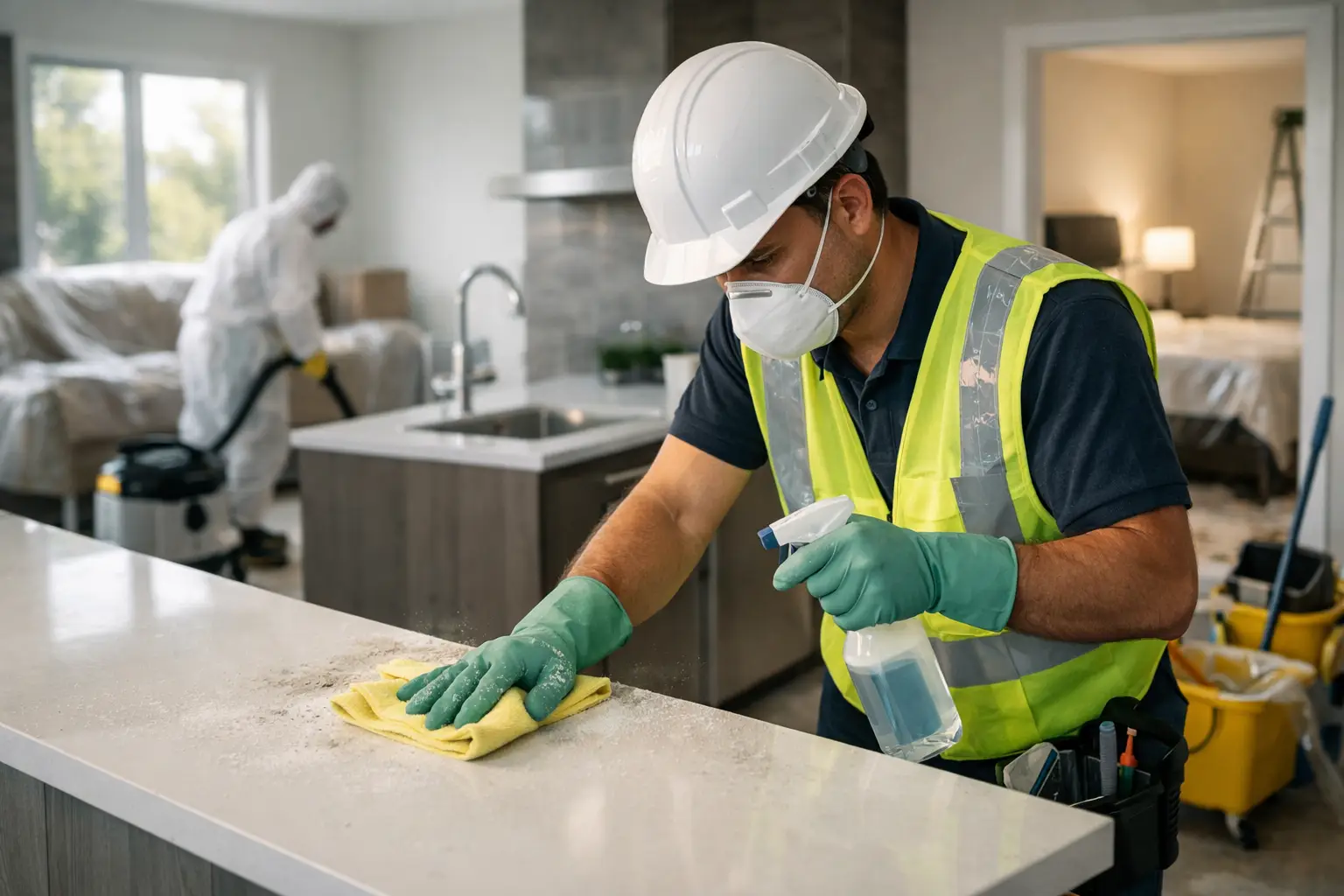
Move-ins, move-outs, and post-renovation periods are especially common times to schedule a deeper service. Renovation dust is notorious for spreading into every corner, including areas that seem closed off. New occupants can also inherit pet dander, dust, and hidden grime from previous residents.
For homeowners and renters in Hamilton, this becomes even more relevant during seasonal changes when windows open, pollen rises, and indoor dust starts circulating more heavily. In those periods, a targeted deep clean can help a home feel more comfortable faster.
A cleaner home should feel easier to live in
Deep cleaning for allergies is not about making a house look perfect for one day. It is about removing the buildup that keeps your space from feeling comfortable, healthy, and easy to maintain. When the right areas are cleaned thoroughly and kept on a sensible schedule, the difference is usually felt as much as it is seen.
If your home still feels dusty no matter how often you tidy, that is a sign to think beyond surface cleaning. A thorough, detail-driven reset can give you a cleaner starting point – and for many households, that is where real relief begins.