A full trash bin in the lobby, fingerprints on the glass door, and an empty soap dispenser can change how clients and employees feel about your business before the workday even starts. When comparing office cleaning vs janitorial services, the real question is not which service is better. It is which level of care matches your building, traffic, schedule, and expectations.
Both services help create a cleaner, healthier workplace. The difference is usually in frequency, scope, and the type of work completed during each visit. Knowing where those lines fall makes it easier to request an accurate quote and avoid paying for a service plan that does not solve your day-to-day cleaning needs.
Office Cleaning vs Janitorial Services: The Main Difference
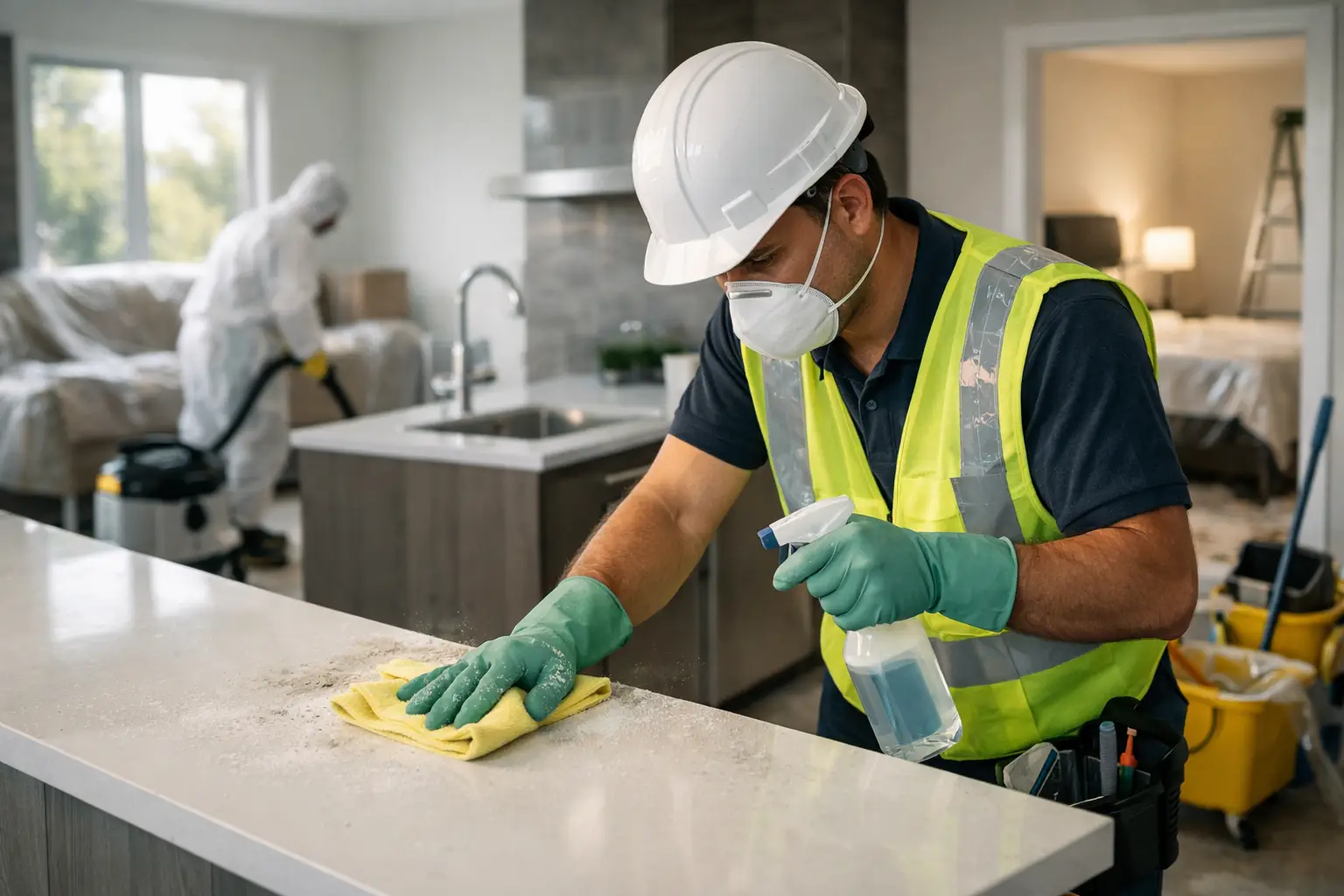
Office cleaning is typically a scheduled professional service focused on cleaning and maintaining office areas. It may happen weekly, biweekly, several times a week, or on a custom schedule. A standard visit often includes dusting accessible surfaces, vacuuming and mopping floors, cleaning restrooms, emptying trash, and wiping down common touchpoints.
Janitorial services are generally built around ongoing facility maintenance. They are often more frequent, sometimes daily or multiple times per day, and may include replenishing supplies, responding to spills, maintaining restrooms throughout the day, and keeping high-traffic areas presentable between deeper cleanings.
There is meaningful overlap. A commercial cleaning provider may use the terms interchangeably, and many teams can build a plan that includes both. The label matters less than a clear scope of work. Before booking, make sure you know what rooms are included, how often they are serviced, which supplies are provided, and what happens when a special cleaning need comes up.
What Office Cleaning Usually Covers
Office cleaning is a strong fit for businesses that need reliable, consistent cleaning but do not require someone on site every day. Small offices, professional practices, real estate offices, studios, and low-traffic workplaces often choose this option because it keeps the space clean without the cost of daily service.
A recurring office cleaning plan can include workstations, reception areas, meeting rooms, lunchrooms, restrooms, hallways, and entryways. Cleaners may dust furniture and ledges, sanitize high-touch surfaces, clean sinks and toilets, remove garbage and recycling, vacuum carpets, and mop hard floors.
The exact checklist should reflect how your office operates. An office with several employees sharing desks may need more attention to touchpoints. A client-facing business may prioritize glass doors, reception seating, and restroom appearance. A workplace with a small kitchen may need regular countertop, microwave, and appliance exterior cleaning.
Office cleaning also works well as a scheduled reset. For example, a business might book service twice a week for routine maintenance, then add a deeper carpet cleaning or upholstery cleaning appointment when needed. This approach offers flexibility while keeping costs predictable.
When a deeper office clean is needed
Routine office cleaning maintains a healthy baseline, but it does not always address buildup in neglected or hard-to-reach areas. A deep office clean is useful after a busy season, before an important event, when moving into a new suite, or after a long gap in professional cleaning.
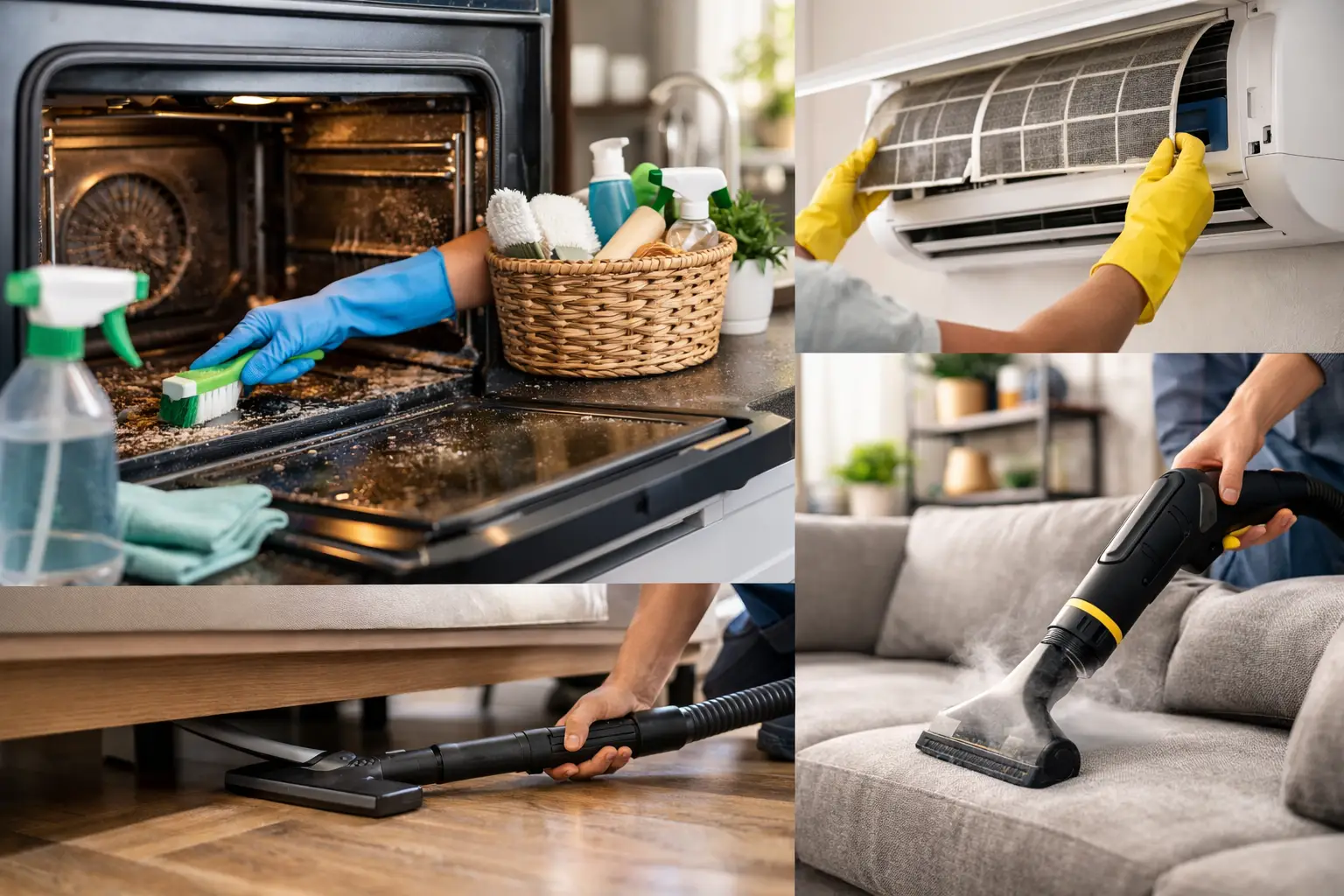
This service can include detailed cleaning of baseboards, interior glass, vents, doors, chair upholstery, carpet edges, breakroom appliances, and other areas outside the standard recurring checklist. It is also a practical starting point before putting a recurring plan in place. Beginning with a thorough reset lets maintenance visits stay focused and efficient.
What Janitorial Services Usually Cover
Janitorial services are designed for buildings that need regular attention to stay functional throughout the day. Think of a busy medical office, retail location, school, fitness center, shared workspace, warehouse office, or larger commercial facility. In these settings, a single evening cleaning may not be enough.
The work is often task-based and ongoing. Janitorial staff may empty waste bins daily, replenish toilet paper and hand soap, clean and restock restrooms, spot-clean floors, remove spills, clean entry glass, and monitor common areas. Depending on the agreement, the team may also handle light maintenance tasks or coordinate supply inventory.
Frequency is the biggest distinction. If your restrooms need checking several times a day or your lobby sees a steady flow of customers, janitorial support helps prevent small issues from becoming visible problems. It is less about an occasional thorough clean and more about maintaining a clean, safe, professional environment from opening to closing.
That said, daily service does not automatically mean detailed cleaning. A janitorial plan should still specify the tasks that happen daily, weekly, and monthly. Without that clarity, important work such as floor care, dusting, and detailed restroom cleaning can be overlooked.
How to Choose the Right Service Level
Start with the conditions in your space, not the name of the service. Your square footage matters, but traffic, restroom use, flooring, food preparation, pets, visitors, and operating hours can matter just as much.
A small office with eight employees and limited visitor traffic may be well served by once- or twice-weekly office cleaning. A law office with regular client appointments may want three visits a week to keep the reception area, conference room, and restrooms consistently polished. A busy facility with public restrooms may need janitorial care every day, along with scheduled deeper cleaning.
Consider these practical questions before requesting a quote:
- How quickly do trash, dust, and restroom supplies become an issue?
- Are clients, patients, tenants, or customers regularly walking through the space?
- Do employees eat at their desks or use a shared kitchen?
- Are there high-touch surfaces that need regular disinfection?
- Would after-hours cleaning work best, or do you need daytime support?
- Which areas need detailed cleaning beyond daily maintenance?
Your answers point to the right schedule. They also help a cleaning company create a scope that reflects your actual needs instead of offering a generic package.
Cost: Frequency, Scope, and Consistency Matter
It is tempting to compare office cleaning and janitorial services based only on the price per visit. That can be misleading. A lower-cost plan may cover fewer tasks, use a less frequent schedule, or leave supply replenishment outside the agreement. A more frequent plan costs more, but it can reduce complaints, prevent restroom shortages, and keep public areas ready for visitors.
Office cleaning is often the more budget-friendly choice for smaller or lower-traffic businesses because visits are less frequent. Janitorial services usually require a larger ongoing investment because the service is more regular and may involve daytime staffing, supply management, or rapid response needs.
The best value comes from a transparent checklist. Ask whether trash removal, restroom restocking, floor care, breakroom cleaning, interior glass, and disinfecting are included. Ask about add-on services as well. Carpets, upholstered office chairs, post-renovation dust, and move-in cleaning often require a separate service because they need extra time and specialized equipment.
Why a Clear Cleaning Checklist Protects Your Business
A cleaning agreement should make it easy to see what will be done and when. This protects both the business and the cleaning team. You know what to expect, and the cleaners can work efficiently without guessing which areas need attention.
For recurring work, a useful checklist separates daily, weekly, and periodic tasks. Daily tasks may include restrooms, garbage, touchpoints, and floors in common areas. Weekly work can include more detailed dusting, cleaning desk exteriors, and addressing less-used rooms. Periodic work may cover carpet cleaning, upholstery care, interior appliance cleaning, or detailed floor maintenance.
This structure is especially helpful for property managers and office managers with multiple decision-makers. It creates a visible standard, makes inspections simpler, and helps ensure the workplace stays consistent even when staffing or schedules change.
Professional Cleaning Is About More Than Appearance
A clean office supports employee comfort, client confidence, and safer shared spaces. Regular cleaning reduces visible dust, food debris, restroom buildup, and the everyday mess that can make a workplace feel neglected. Proper attention to high-touch surfaces also supports healthier routines during cold and flu season.
Just as important, professional cleaners bring a process. Insured, trained staff, appropriate products, dependable scheduling, and clear communication all reduce the burden on your team. Employees should not have to spend the end of their shift emptying bins, scrubbing a microwave, or wondering who will handle an overflowing restroom.
For Hamilton businesses, Get It Done Cleaning Services can build commercial cleaning plans around your schedule, from recurring office cleaning to detailed specialty services. The goal is straightforward: a clean workplace that feels ready for employees and visitors every time the door opens.
Choose the service that solves the problems you actually see each week, then make the checklist specific enough to hold everyone to the same standard. A well-matched cleaning plan does more than make an office look better – it gives your team one less thing to manage.