A clean office should not depend on who remembered to empty the break room trash or wipe down the reception counter. This office cleaning contract guide helps business owners, office managers, and property managers turn cleaning expectations into a clear working agreement. The goal is simple: dependable service, a healthier workplace, and no surprises about what is or is not included.
A contract is more than paperwork. It gives your cleaning provider a detailed plan, gives your team clear expectations, and makes it easier to address issues early. Whether you need service several nights a week or a weekly refresh for a smaller office, the right agreement protects the quality of your space and your budget.
Start With a Detailed Scope of Work
The scope of work is the center of an office cleaning contract. It explains exactly which areas will be cleaned, which tasks will be performed, and how often each task happens. Vague language such as “general office cleaning” can lead to misunderstandings, especially when different people have different ideas of what “clean” means.
Your scope should identify every space the cleaning team can access. That may include reception areas, workstations, private offices, conference rooms, kitchens, restrooms, hallways, elevators, storage areas, and entryways. It should also state whether cleaners handle shared building spaces or only the area leased by your business.
Match Tasks to the Way Your Office Operates
Not every room needs the same level of attention. Restrooms and kitchen surfaces may require daily cleaning and sanitizing, while interior glass, vents, baseboards, and upholstered seating may be better scheduled monthly or quarterly. A well-built contract separates routine work from periodic deep-cleaning tasks.
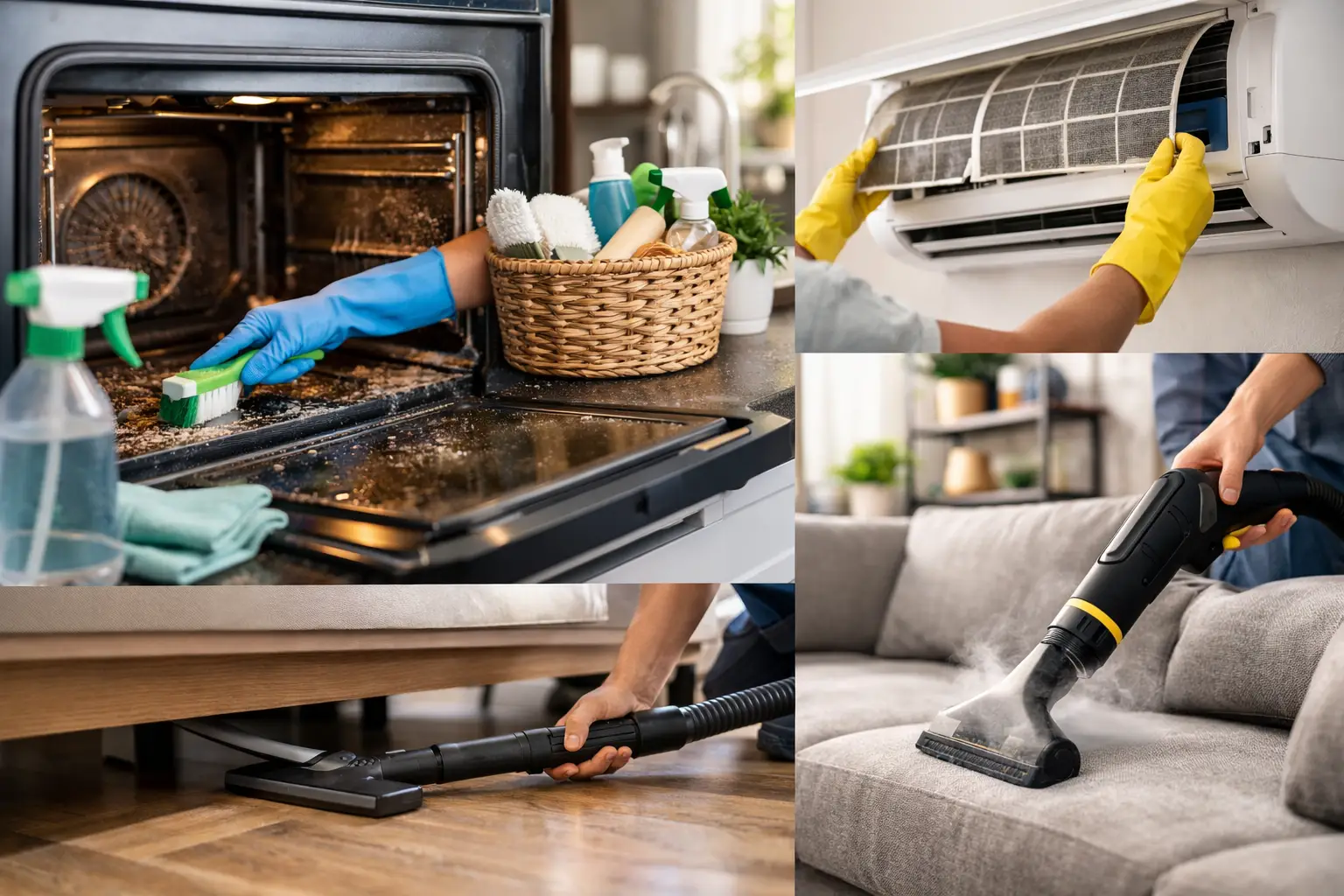
For example, a standard recurring visit may cover vacuuming or mopping floors, removing trash and recycling, cleaning and sanitizing restrooms, wiping touchpoints, and tidying kitchen counters. Carpet extraction, upholstery cleaning, high dusting, interior appliance cleaning, and post-event cleanup are often separate services or scheduled add-ons.
Be specific about supplies, too. If your office has a preferred paper towel brand, hand soap dispenser, or waste sorting process, include it in writing. If the cleaning company supplies consumables, define which ones and whether restocking is included in the quoted price.
Set a Schedule That Supports Your Team
Cleaning frequency should reflect foot traffic, the number of employees, customer visits, and the type of work done in the space. A busy office with daily clients and a shared lunchroom may need cleaning five nights a week. A small professional office with limited staff may be well served by weekly or twice-weekly service.
The contract should name the service days, approximate arrival window, and any holidays when service will not occur. After-hours cleaning is common because it minimizes disruption, but daytime cleaning can work well for businesses that need a porter to maintain restrooms, entrances, or meeting rooms during operating hours.
There is a trade-off to consider. More frequent service keeps high-use areas consistently presentable, but it may not replace periodic detail work. Less frequent service lowers the recurring cost, yet spills, fingerprints, and trash can build up quickly between visits. Your provider should help you choose a schedule based on actual use, not a one-size-fits-all package.
Define Quality Standards and Inspection Process
A good office cleaning contract explains what successful service looks like. This does not mean demanding perfection from a cleaner working around a busy office. It means setting practical, visible standards that both sides can verify.
Your agreement can include a checklist for recurring tasks, particularly for restrooms, kitchens, floors, and touchpoints. It should also explain how concerns are reported. For instance, the office manager may notify the cleaning company within one business day of noticing a missed task, and the provider may return to correct the issue within an agreed timeframe when appropriate.
Walkthroughs are valuable at the start of service and whenever your office layout or needs change. A walkthrough helps identify areas that need extra attention, such as a heavily used boardroom, a carpeted entryway during wet weather, or a kitchenette that sees frequent food preparation. It also helps prevent cleaners from spending time on tasks your team does not value while missing tasks that matter most.
Make Pricing Easy to Understand
Your contract should clearly show the recurring service price, billing frequency, payment terms, and any applicable taxes. Ask whether pricing is a flat rate, based on estimated labor hours, or tied to a defined checklist. Flat-rate pricing is often easier to budget for when the scope is stable. Hourly pricing can be useful for variable work, but it needs clear limits and approval procedures.
Separate routine cleaning from additional services. A request for carpet cleaning after a spill, cleaning following a staff event, or extra service after construction work should have a stated rate or require written approval before work begins. This protects both parties from surprise invoices.
Review how price changes are handled. Labor costs, supply costs, and a major expansion of your office can affect the price over time. A fair agreement gives advance notice of rate changes and explains what happens if the service scope changes.
Cover Access, Security, and Workplace Safety
Cleaning teams often work when the office is empty, so access procedures deserve careful attention. The contract should state how cleaners enter the building, who provides keys or access codes, and what happens if access is unavailable. It should also explain procedures for securing doors, setting alarms, and reporting any building issues noticed during service.
For offices with confidential information, ask how the cleaning provider handles privacy and security. Cleaners should know not to move files, open cabinets, access computers, or handle sensitive documents unless the scope specifically requires it. Your team should also secure confidential materials before leaving for the day.
Insurance matters here as well. Confirm that the provider carries appropriate liability coverage and workers’ compensation or workplace injury coverage as required in your area. Trained, insured cleaners reduce risk for your business and show that the provider takes its responsibilities seriously.
If eco-friendly products matter to your workplace, include that expectation. Green cleaning products can support a more comfortable environment for employees and visitors, particularly in spaces where people have sensitivities to strong fragrances. Still, eco-friendly should not mean ineffective. The products and process should be appropriate for disinfecting high-touch surfaces and maintaining the materials in your office.
Include Changes, Cancellations, and a Fair Exit Plan
Office needs change. Headcount grows, business hours shift, or a new tenant moves into part of the building. Your contract should make it easy to request adjustments to the scope, schedule, or service areas. Usually, a written change request and a revised price approval are enough.
Cancellation terms should be clear but reasonable. Look for the required notice period, any early termination fee, and how final billing is handled. You should also know how temporary pauses work if your office closes for holidays, renovations, or seasonal slowdowns.
A reliable provider will want a fair process for resolving concerns before either side ends the relationship. Clear communication, documented feedback, and a chance to correct a legitimate issue usually produce better results than changing vendors after one missed detail.
Office Cleaning Contract Guide: Questions to Ask Before Signing
Before approving an agreement, make sure you can answer these questions with confidence:
- Which rooms, surfaces, and tasks are included at each visit?
- Which services are periodic, optional, or billed separately?
- What days and times will cleaning take place?
- Who supplies cleaning products, equipment, and restroom consumables?
- How are missed tasks, damage concerns, and quality issues reported and resolved?
- What insurance coverage, staff training, and security procedures does the provider maintain?
- How much notice is needed to change, pause, or cancel service?
For Hamilton businesses that want structured, detail-oriented recurring service, Get It Done Cleaning Services can help build a plan around your office’s actual needs, from daily touchpoint cleaning to scheduled carpet and deep-cleaning support.
The best contract is one your team rarely has to think about because the work is completed consistently, your space feels cared for, and everyone knows what to expect. Start with a clear scope, keep communication direct, and revisit the agreement whenever your workplace changes.