A clean space is easier to maintain than to rescue. If weekends keep disappearing into vacuuming, bathroom scrubbing, and catching up on kitchen messes, learning how to book recurring cleaning can give you back time while keeping your home consistently healthier and more comfortable. For offices and local businesses, it also protects the professional appearance employees and customers notice right away.
Recurring service works best when it is built around your actual routine, not a generic schedule. The right plan accounts for who uses the space, how quickly it gets dirty, what areas matter most, and how much support you want between visits.
Start With the Right Cleaning Frequency
The first decision is not which day to book. It is how often your space truly needs professional attention. A weekly, biweekly, or monthly schedule can all work well, but each serves a different household or workplace.
Weekly cleaning is often the practical choice for busy families, pet owners, larger households, high-traffic offices, and businesses that welcome clients regularly. With more frequent visits, dust, crumbs, bathroom buildup, and floor debris are handled before they become a bigger job. It also means your cleaner can spend more time on details instead of catching up every visit.
Biweekly cleaning is a popular middle ground for working professionals, couples, smaller households, and offices with moderate traffic. It keeps kitchens, bathrooms, floors, and common areas in good shape without requiring a weekly appointment. You may still need to handle quick tasks between visits, such as dishes, laundry, or wiping an unexpected spill, but the larger cleaning workload stays off your plate.
Monthly cleaning can make sense for one-person homes, lightly used spaces, or businesses with a separate daily tidying routine. Keep in mind that a monthly visit may require more intensive work each time. If your household has pets, children, allergies, or frequent guests, a monthly schedule can sometimes feel too far apart.
When you are unsure, start with biweekly service and reassess after a few visits. A dependable cleaning company should be able to adjust the frequency if your needs change.
How to Book Recurring Cleaning With a Clear Scope
A recurring appointment should never be a vague promise to “clean the house.” Before booking, make sure you understand what is included during each visit. Clear scope prevents surprises and helps your cleaning team focus on the areas that make the greatest difference to you.
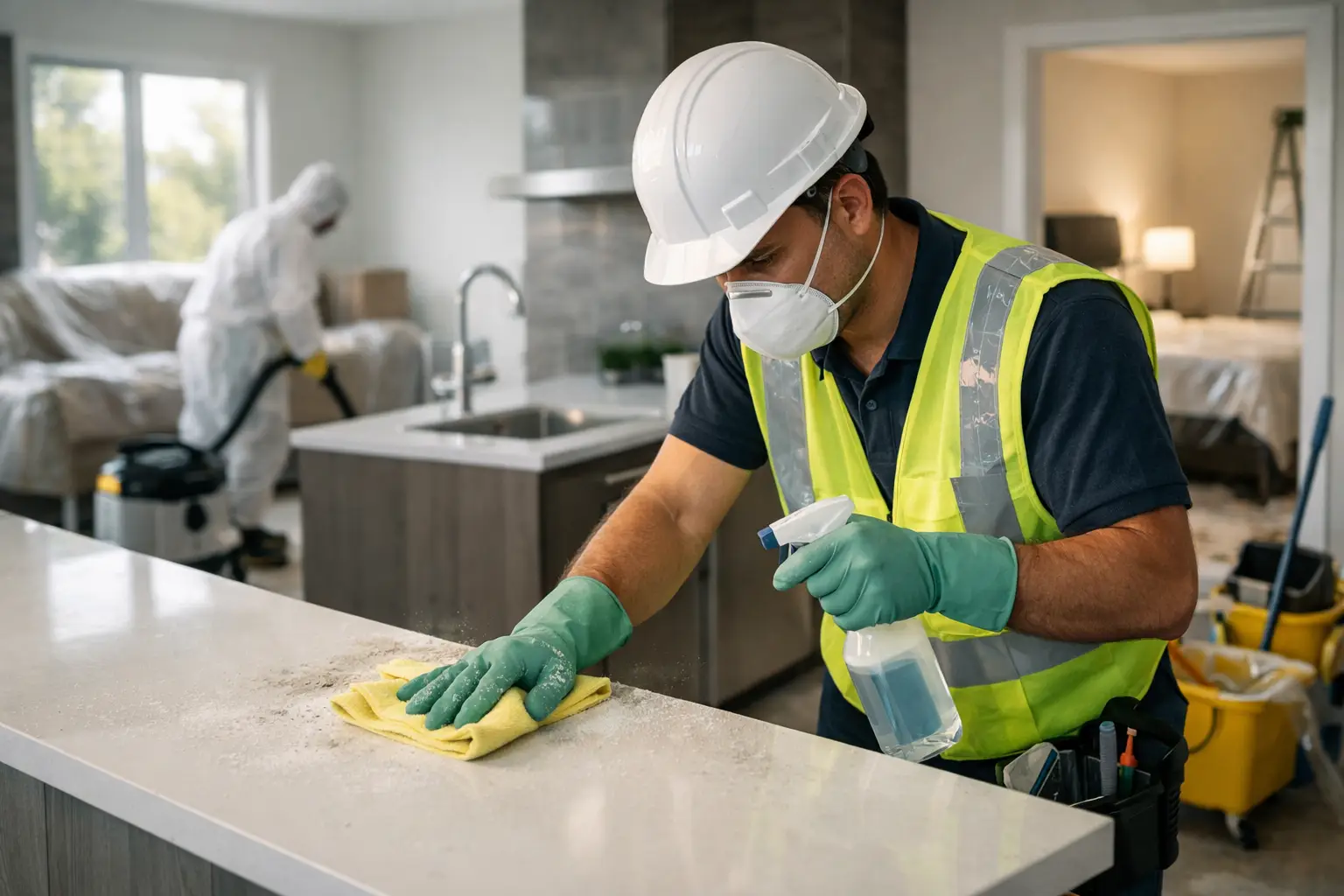
Most recurring cleaning plans cover routine maintenance throughout key living or working areas. That commonly includes dusting accessible surfaces, vacuuming and mopping floors, sanitizing bathrooms, wiping kitchen counters and exterior appliance surfaces, emptying trash, and straightening the general appearance of the space. Bedrooms, offices, entryways, and common rooms should be discussed based on your needs and the size of the property.
Ask whether the service uses a checklist. A visible checklist creates accountability and makes it easier to know what the team will complete on every visit. It is especially helpful for property managers and business owners who need a consistent standard without having to inspect every detail themselves.
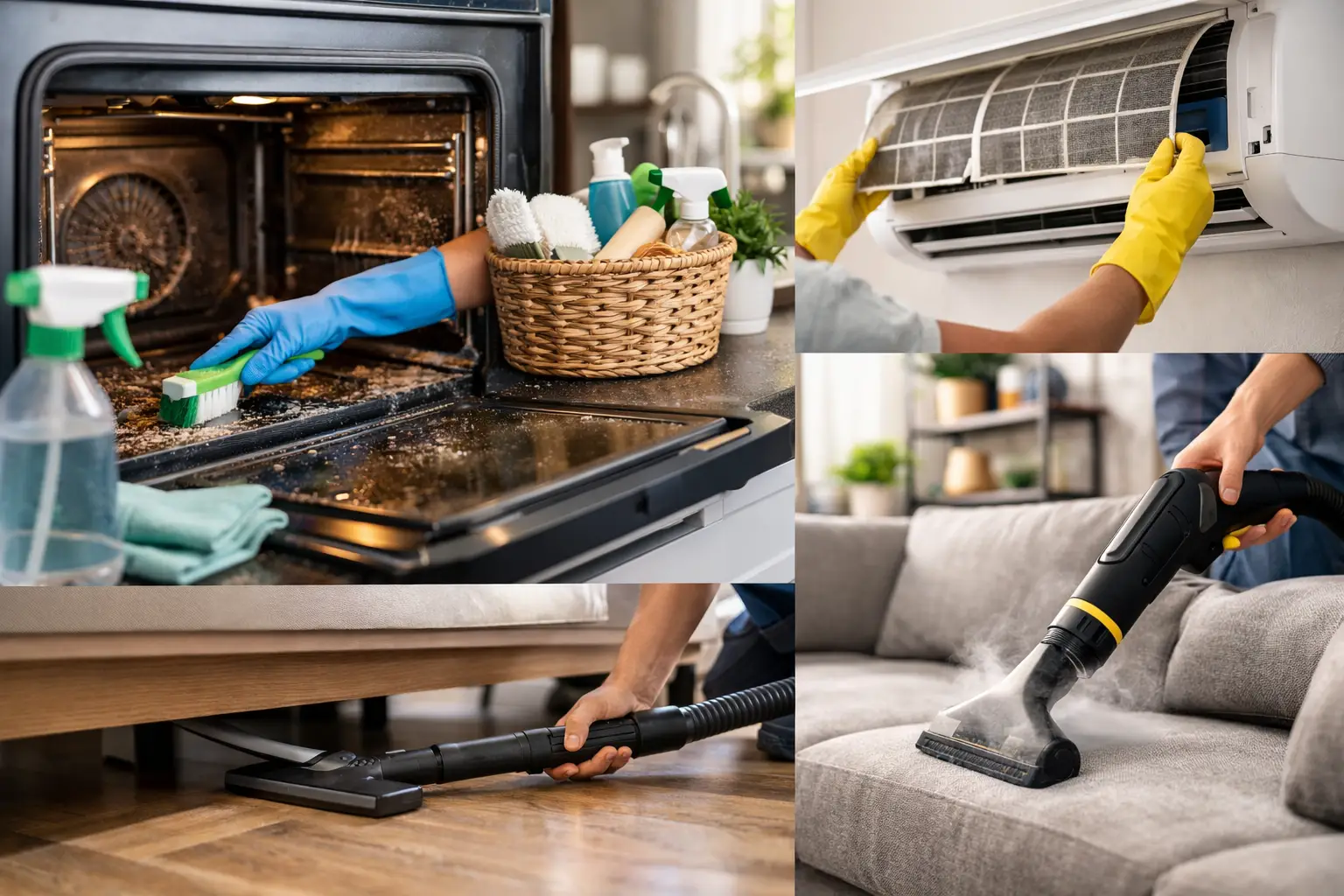
Some tasks are better treated as add-ons or occasional deep-cleaning services. Inside ovens, refrigerators, cabinets, interior windows, blinds, carpet cleaning, upholstery cleaning, and post-renovation dust removal often take more time and equipment than a standard maintenance visit. That does not make them less valuable. It simply means they should be scheduled intentionally, rather than assumed to be included every week or two.
Before confirming your plan, share the details that affect the work. Let the company know about pets, delicate surfaces, heavy-use rooms, access instructions, parking limitations, allergies, or areas you prefer cleaners not to enter. Straightforward information helps trained cleaners arrive prepared and deliver more consistent results.
Book a First Visit That Sets Up Future Appointments
Many homes benefit from a deeper initial cleaning before starting recurring service. This is particularly true if dust has collected in corners, bathrooms have soap scum buildup, floors need extra attention, or it has been several months since the space received a thorough cleaning.
Think of the first appointment as the reset. Once the space reaches a clean baseline, recurring visits are more effective because the team can maintain the results instead of spending every appointment addressing old buildup. For a move, renovation, or long gap between cleanings, a deep cleaning may be the more honest starting point.
This approach is not always necessary. If you already keep up with routine cleaning and simply need reliable support, you may be able to begin with a standard recurring visit. A professional provider should ask enough questions to recommend the right level of service rather than automatically pushing the largest package.
Choose a Schedule You Can Actually Keep
The best recurring cleaning schedule is one that fits naturally into your week. Choose a day when the home or office is accessible and when cleaning will cause the least disruption. Some households prefer weekday service while everyone is at work or school. Others want an appointment while they are home so they can answer questions and point out priorities.
For commercial spaces, consider the rhythm of the business. Offices may prefer evening or early-morning cleaning, while retail locations may need service outside customer hours. The goal is to keep the space clean without interrupting employees, clients, or operations.
Set clear access arrangements before the first visit. This may involve being present, providing a door code, arranging key access, or coordinating with a building manager. If you live in an apartment or condo, confirm any visitor rules, elevator reservations, parking instructions, and loading-area requirements ahead of time. A few minutes of planning helps avoid a delayed or canceled appointment.
It is also wise to ask about rescheduling policies. Life changes quickly: children get sick, meetings move, travel comes up, and tenants shift move-out dates. A flexible provider should explain how much notice is needed and what happens if an appointment needs to change.
Know What to Look For in a Cleaning Provider
Price matters, but recurring cleaning is also a trust decision. The cleaners will be in your home or workplace regularly, often when you are not there. Look for a company that is insured, employs trained staff, communicates clearly, and can explain its cleaning process without hiding behind vague language.
Eco-friendly products are another useful consideration, especially for homes with children, pets, sensitivities, or a preference for lower-impact cleaning methods. Ask what products are used and whether special requests can be accommodated. A good cleaning plan balances effective sanitation with care for the people and surfaces in the space.
Reliability is just as important as the checklist. You want a team that arrives as scheduled, follows the agreed scope, and lets you know promptly if an issue affects the appointment. Get It Done Cleaning Services builds recurring plans around detailed service expectations, trained and insured cleaners, and practical scheduling for homes and businesses in Hamilton.
Do not be afraid to ask how quality is handled. If an area is missed or a result does not meet expectations, you should know who to contact and how the company will respond. Professional service is not about claiming that nothing ever goes wrong. It is about taking responsibility when a concern needs attention.
Prepare the Space Without Cleaning Before the Cleaners Arrive
You do not need to scrub the bathroom before a recurring cleaning visit. That defeats the purpose. However, a little preparation lets the team spend more time cleaning and less time moving around obstacles.
Clear away personal items from countertops, floors, and shower ledges where possible. Put away valuable or fragile items, secure pets if needed, and let the team know about anything requiring special care. If you have priority areas, such as a guest bathroom, a pet-hair-heavy sofa, or a break room that needs extra attention, mention them early rather than waiting until the end of the appointment.
For businesses, assign one contact person who can answer questions about access, alarms, supply closets, and building procedures. This is especially useful when a recurring cleaning team works after hours.
Review the First Few Visits and Adjust
Recurring cleaning should get easier after the first few appointments. Pay attention to whether the frequency feels right, whether the checklist reflects your priorities, and whether any rooms need more or less attention. A family that adopts a puppy, begins working from home, or starts hosting more often may need to move from biweekly to weekly service. A seasonal business may need more support during busy months and fewer visits later.
Give specific feedback when needed. Saying, “Please spend a little more time on the entryway floors” is far more useful than saying, “It was not quite right.” Clear feedback helps a professional team fine-tune the service to your space.
A recurring plan is not about achieving a showroom-perfect home every hour of the day. It is about creating a dependable rhythm where the mess does not pile up, the important areas stay cared for, and your time can go to the people and work that need it most.