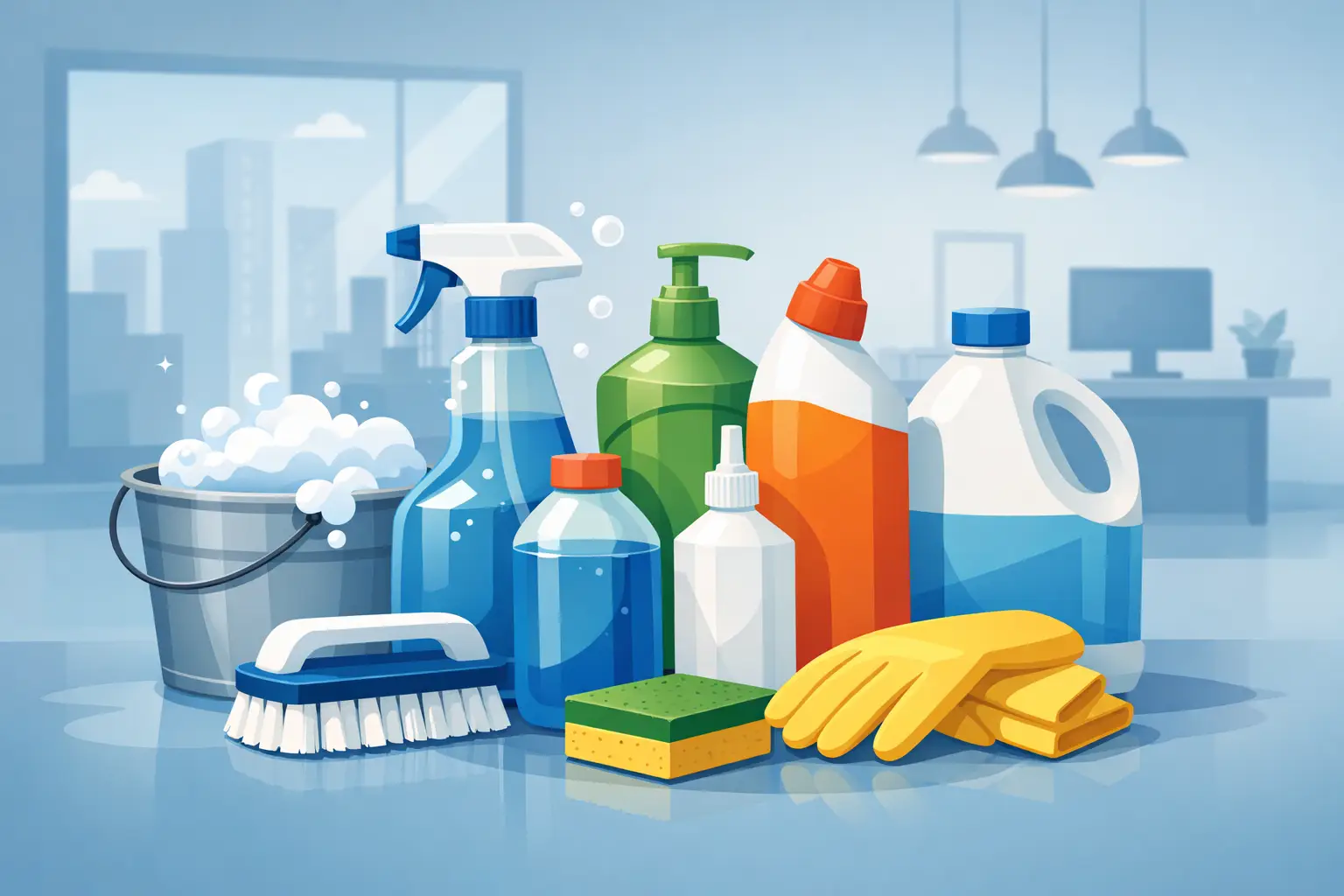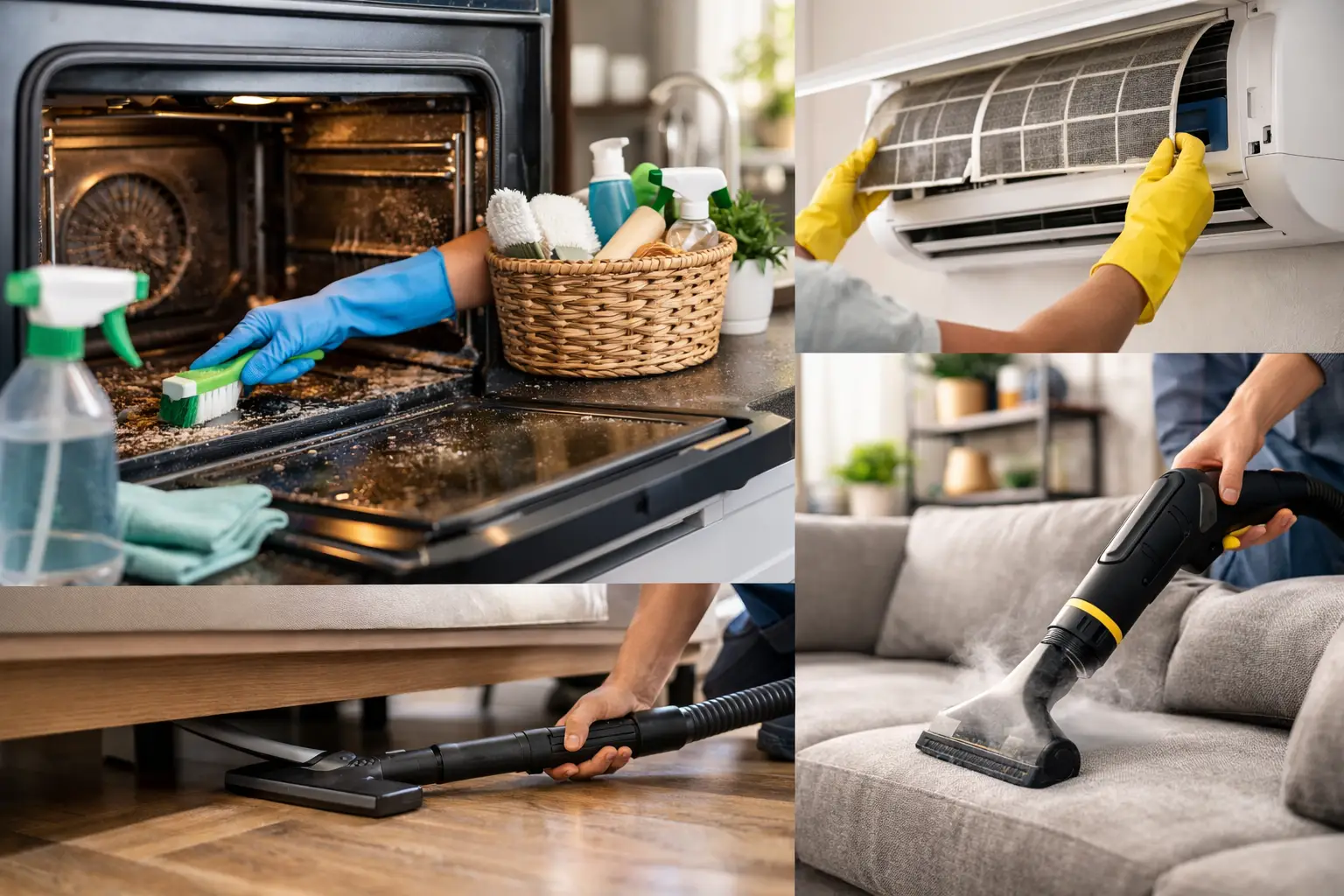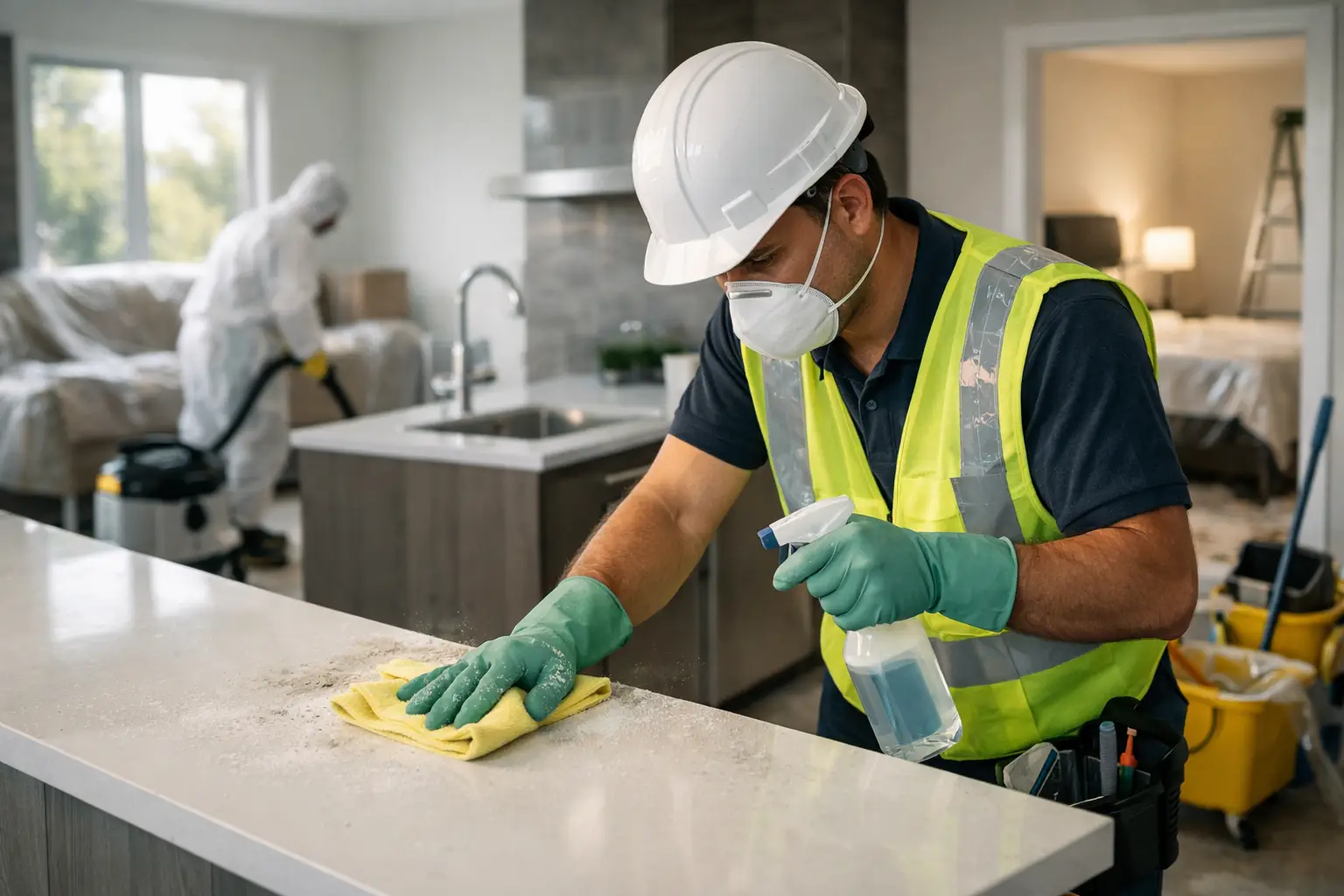
A kitchen counter can look spotless and still hold greasy residue, food spills, and everyday germs. That is why the question, are eco cleaners effective, deserves more than a quick yes or no. The right eco-friendly products can deliver excellent results in homes and workplaces, but effectiveness depends on the surface, the mess, the product formula, and how it is used.
For busy households, pet owners, property managers, and business owners, eco-conscious cleaning should not mean accepting less-than-clean results. It means choosing products and methods that are safer for the people using the space while still handling the real work: dirt, soap scum, fingerprints, spills, odors, and buildup.
Are Eco Cleaners Effective for Everyday Cleaning?
Yes, quality eco cleaners are highly effective for most routine cleaning tasks. They can remove everyday soil from counters, sinks, tables, appliances, bathroom fixtures, glass, and frequently touched surfaces. Many use plant-based surfactants, minerals, enzymes, or naturally derived acids to lift grime and break down residue.
A surfactant is the ingredient that helps water spread across a surface and carry away oil and dirt. This matters because most everyday messes are not mysterious. They are a combination of skin oils, food residue, dust, pet hair, tracked-in dirt, and moisture. A well-formulated cleaner does not need an overpowering chemical smell to handle them.
Eco-friendly cleaning products are especially well suited to recurring maintenance. When a home or office is cleaned consistently, dirt has less time to harden into stubborn buildup. Counters stay manageable, bathroom surfaces are easier to maintain, and floors do not collect as much grime near entrances and high-traffic areas.
That said, “eco-friendly” is not a performance standard on its own. One product may be thoughtfully formulated and highly capable, while another may be gentle but too weak for the job. The label matters, but so do the ingredients, directions, and intended use.
Where Eco Cleaners May Need a Different Approach
The biggest trade-off is not usually whether an eco cleaner works. It is that some difficult jobs need more contact time, more agitation, or a product specifically designed for that type of soil.
For example, a light layer of soap residue on a shower door may wipe away with a general bathroom cleaner. Thick mineral deposits, however, may require an acidic descaler and several minutes of dwell time. Grease on a stovetop may need a degreaser, warm water, and a non-scratch scrub pad rather than a quick spray and wipe.
Professional results come from matching the method to the mess. This is true whether the product is eco-friendly or conventional. A cleaner cannot remove years of buildup instantly if it is not given time to work.
Heavy grease and baked-on food
Kitchen grease is one of the most common challenges. Eco-friendly degreasers can work very well, particularly when used on a regular schedule. For older, sticky residue on range hoods, oven exteriors, cabinet fronts, and backsplashes, the cleaner may need to sit briefly before wiping. Heat, repeated applications, and the right tools can also make a meaningful difference.
Hard water deposits and soap scum
Bathrooms often need targeted products because water minerals and soap residue create a tough film on faucets, tile, glass, and shower doors. Acid-based cleaners, including products made with citric acid, can be effective for mineral buildup. They should always be used according to directions and never applied to surfaces that can be damaged by acid, such as certain natural stone finishes.
Odors from pets, food, and accidents
Fragrance can cover an odor, but it does not solve the source. Enzyme-based eco cleaners are often a smart choice for organic messes, including pet accidents and food spills, because they help break down the material causing the odor. For carpets and upholstery, results depend on how quickly the spill is treated, how deeply it has traveled into the fibers, and whether professional extraction is needed.
Cleaning, Sanitizing, and Disinfecting Are Different Jobs
One reason people question eco cleaner performance is that cleaning and disinfecting are often treated as if they are the same thing. They are not.
Cleaning removes visible dirt, oils, residue, and many germs from a surface. Sanitizing reduces certain bacteria to safer levels. Disinfecting is designed to kill or inactivate specified germs when a product is used exactly as directed. A product may do one of these jobs well without doing all three.
For everyday household maintenance, thorough cleaning is often the first and most useful step. Removing soil makes a space look better, feel fresher, and reduces the material where germs can linger. In high-touch or higher-risk settings, such as shared offices, restrooms, childcare areas, or after illness, a suitable disinfectant may be necessary after cleaning.
The key is to read the product label. If a cleaner claims to disinfect, it must be left on the surface for the required contact time. Spraying and immediately wiping usually will not provide the disinfection result stated on the label. Using too little product, diluting it incorrectly, or applying it to a dirty surface can also reduce performance.
What Makes an Eco Cleaning Routine Work Better?
Effective cleaning is less about one miracle bottle and more about consistent technique. Start by removing loose debris, then apply the right cleaner for the surface and type of mess. Give it enough time to work, wipe or scrub as needed, and use a clean cloth or mop head so you are not spreading soil from one area to another.
Microfiber cloths are particularly useful because they trap dust and lift residue with less product. Using separate cloths for kitchens, bathrooms, and general dusting also helps prevent cross-contamination. For floors, a clean mop pad and fresh solution are more effective than repeatedly pushing dirty water around.
It also helps to avoid overusing product. More cleaner does not always mean a cleaner surface. Excess product can leave a film that attracts dust, creates streaks, or makes floors feel tacky. Proper dilution and a final rinse when recommended will leave a cleaner finish.
Choosing Eco-Friendly Products Without Guesswork
Look past broad terms such as “natural” or “green.” A good eco-conscious product should clearly explain what it is intended to clean and how to use it safely. Consider whether it is designed for glass, kitchens, bathrooms, floors, fabrics, or heavy-duty degreasing. One all-purpose cleaner can be convenient, but it may not be the right choice for every surface.
For households with children, pets, allergies, or scent sensitivities, fragrance-free or low-fragrance options can be a practical choice. In commercial spaces, product selection should also account for the volume of traffic, restroom use, food preparation areas, and the need for approved disinfection procedures.
Avoid mixing cleaning products, even if both are marketed as eco-friendly. Mixing formulas can create unsafe fumes or reduce their effectiveness. Store products in their original containers, follow label directions, and test a small hidden area before using a new product on delicate finishes.
When Professional Eco-Friendly Cleaning Makes Sense
Routine upkeep is easier when it is shared. Professional cleaning can be especially helpful when a home has fallen behind, a business needs consistent presentation, or a move, renovation, or seasonal reset has created more work than one person can reasonably manage.
A trained cleaning team brings more than products. They bring a system: surface-specific methods, detailed checklists, clean tools, attention to high-touch areas, and enough time to work through the jobs that are easy to postpone. For deep cleaning, post-renovation dust, carpets, upholstery, appliances, and move-in or move-out work, that structured approach can protect surfaces and produce a more complete result.
At Get It Done Cleaning Services, eco-conscious methods are paired with practical service standards because customers should not have to choose between a healthier approach and a thoroughly clean space. The best plan is one that fits the property, the level of buildup, and the needs of the people who use it.
A clean home or workplace does not need to smell harsh to be genuinely clean. Choose the right product, use it with care, and give difficult jobs the time and method they deserve. That is how eco-friendly cleaning becomes a reliable part of keeping your space fresh, comfortable, and ready for real life.