A cleaning visit should not leave you wondering what was included, what was missed, or whether you booked more service than your home needed. Home cleaning service tiers make that decision easier by matching the level of work to your space, schedule, and current condition. Whether you need help staying ahead of weekly messes or a detailed reset before a move, a clear tier gives you a reliable scope of work and a better result.
For busy families, professionals, pet owners, and renters, the right choice is rarely the cheapest option or the most intensive one. It is the service that handles the work you do not have time to keep up with, at the frequency that makes your home feel consistently cared for.
What Home Cleaning Service Tiers Actually Mean
Cleaning tiers are structured service levels. Each one builds on a defined checklist, so you can see the difference between routine maintenance, a detailed deep clean, and specialized cleaning for a specific event or problem. This prevents the common mismatch between a customer’s expectations and a cleaner’s allotted time.
A well-designed tier also makes pricing more transparent. A regularly maintained one-bedroom apartment does not require the same labor as a four-bedroom home with pets, buildup in the kitchen, and several bathrooms. The tier establishes the baseline, while factors such as home size, condition, extra rooms, and requested add-ons shape the final quote.
At Get It Done Cleaning Services, clear checklists help customers understand exactly what their service is designed to accomplish. That clarity matters most when you are handing over a property, preparing for guests, recovering after renovations, or trusting someone with the home your family uses every day.
Routine Cleaning: Built for a Consistently Clean Home
Routine cleaning is the practical choice for homes that are generally in good shape but need dependable upkeep. It focuses on the areas that make the biggest difference in day-to-day comfort: kitchens, bathrooms, floors, dusting, tidying surfaces, and removing ordinary household dirt.
A typical routine visit may include vacuuming and mopping accessible floors, wiping counters and exterior appliance surfaces, cleaning sinks and toilets, dusting furniture, taking out trash, and making beds when requested. The goal is not to restore neglected areas from scratch. It is to keep your home from reaching that point.
Weekly service works well for active households, homes with pets, or anyone who wants a consistently polished space without spending part of every weekend cleaning. Biweekly service is often a strong fit for smaller households and working professionals who handle light tasks between visits. Monthly cleaning can help when the home stays relatively tidy, though it may not be enough for high-traffic spaces.
Recurring service often provides the best long-term value because cleaners become familiar with your home, priorities, and preferred routine. It also reduces the amount of intensive labor required at each visit. If bathrooms, floors, and kitchen surfaces are maintained regularly, they are easier to keep fresh and sanitary.
Deep Cleaning: A Thorough Reset When Details Matter
Deep cleaning goes beyond the standard weekly checklist. It is intended for homes that need more attention in the areas where grease, soap residue, dust, and grime gradually build up. Think of it as a reset that gives routine cleaning a much better starting point.
This tier commonly includes more detailed work on baseboards, doors, light switches, trim, cabinet fronts, interior microwave cleaning, bathroom buildup, and hard-to-reach dust. Kitchen and bathroom cleaning are usually more intensive because these are the rooms where residue can affect both appearance and hygiene.
A deep clean makes sense when you have not had professional help in several months, are starting a recurring plan, have hosted a busy holiday season, or simply feel that the home is clean enough on the surface but not truly refreshed. It is also useful after illness, during spring cleaning, or when pet hair and tracked-in dirt have become difficult to manage.
The trade-off is time and cost. Deep cleaning requires more labor than routine service, and the condition of the home can affect the estimate. Still, booking a deep clean first is often the smarter choice if regular service has been delayed. Asking a maintenance cleaning to solve months of buildup can lead to rushed results or expectations that do not match the scope.
Start With a Deep Clean, Then Maintain It
Many homeowners get the best value by scheduling one deep cleaning followed by recurring visits. The first appointment addresses the detail work. Later appointments protect that progress, keeping the home clean without repeatedly paying for a full reset.
Move-In and Move-Out Cleaning: Cleaning for a Deadline
Moving creates a different kind of cleaning need. The property may be empty, the timing may be fixed, and every overlooked shelf or appliance can become a problem at inspection time. Move-in and move-out cleaning tiers are designed for these high-detail transition moments.
For a move-out, the focus is on leaving the property in clean, presentable condition for a landlord, buyer, or incoming tenant. This often includes detailed bathroom and kitchen cleaning, inside cabinets and drawers when empty, interior appliance cleaning, floors, baseboards, and removal of dust left behind by furniture. Renters should check their lease and document the home’s condition before and after service, especially if a security deposit is involved.
For a move-in, the priority is different: you want the space cleaned before boxes, furniture, and everyday life fill it. An empty home gives cleaners access to floors, cabinets, closets, and other areas that are harder to reach later. If you are taking possession of a property in Hamilton or the surrounding area, booking this service before the moving truck arrives can remove one major task from an already crowded schedule.
Move cleaning is not always the same as deep cleaning. Both are detailed, but move cleaning is built around empty or mostly empty spaces and property turnover requirements. Be clear about whether appliances, interior cabinets, garages, or unfinished areas are part of the job.
Specialty and Project Cleaning: When Standard Checklists Are Not Enough
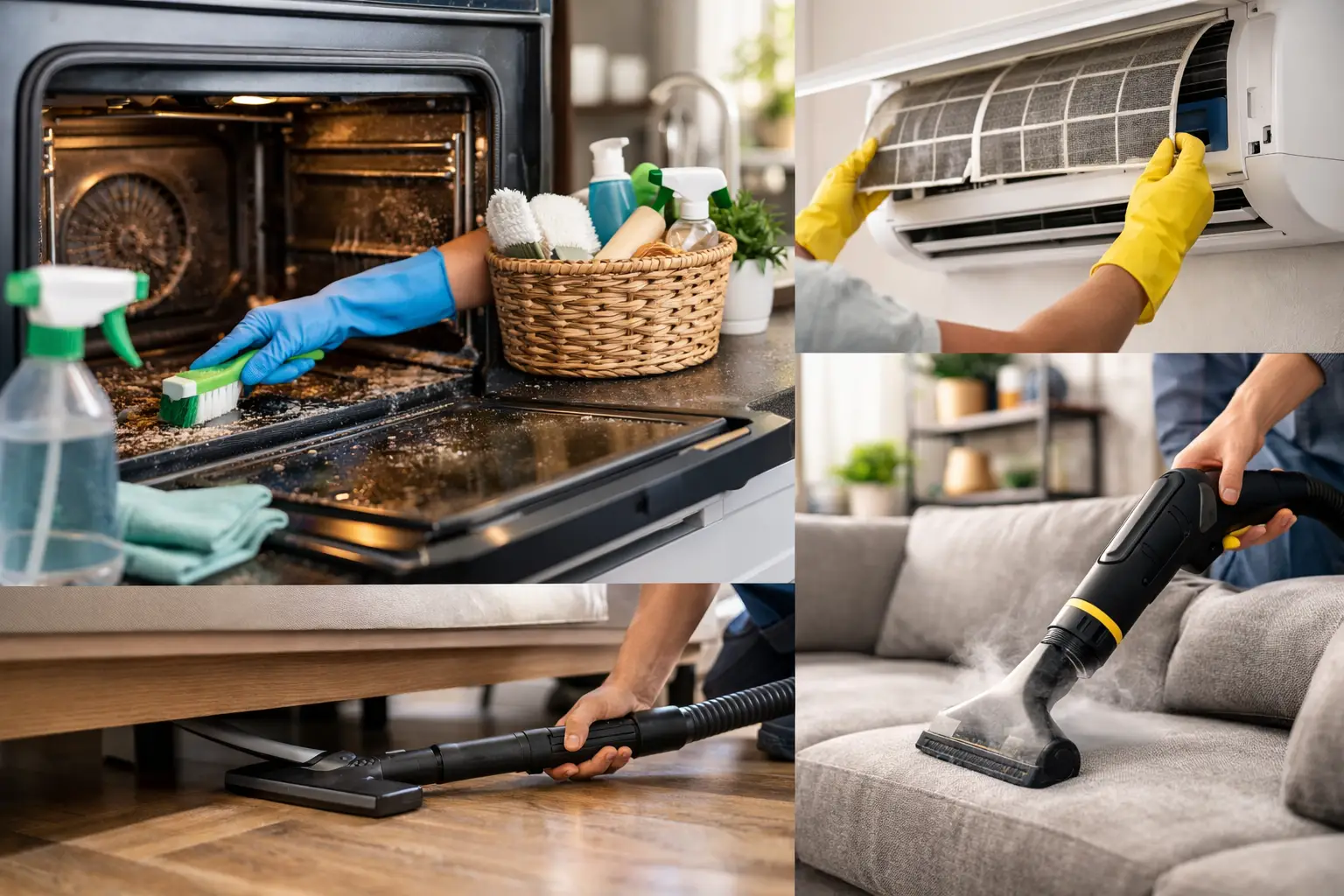
Some situations need a dedicated service rather than a broader cleaning tier. Carpet and upholstery cleaning can help refresh high-use fabrics, remove embedded soil, and improve the appearance of rooms that still look tired after vacuuming. Appliance cleaning is useful when an oven, refrigerator, or microwave needs focused attention beyond an exterior wipe-down.
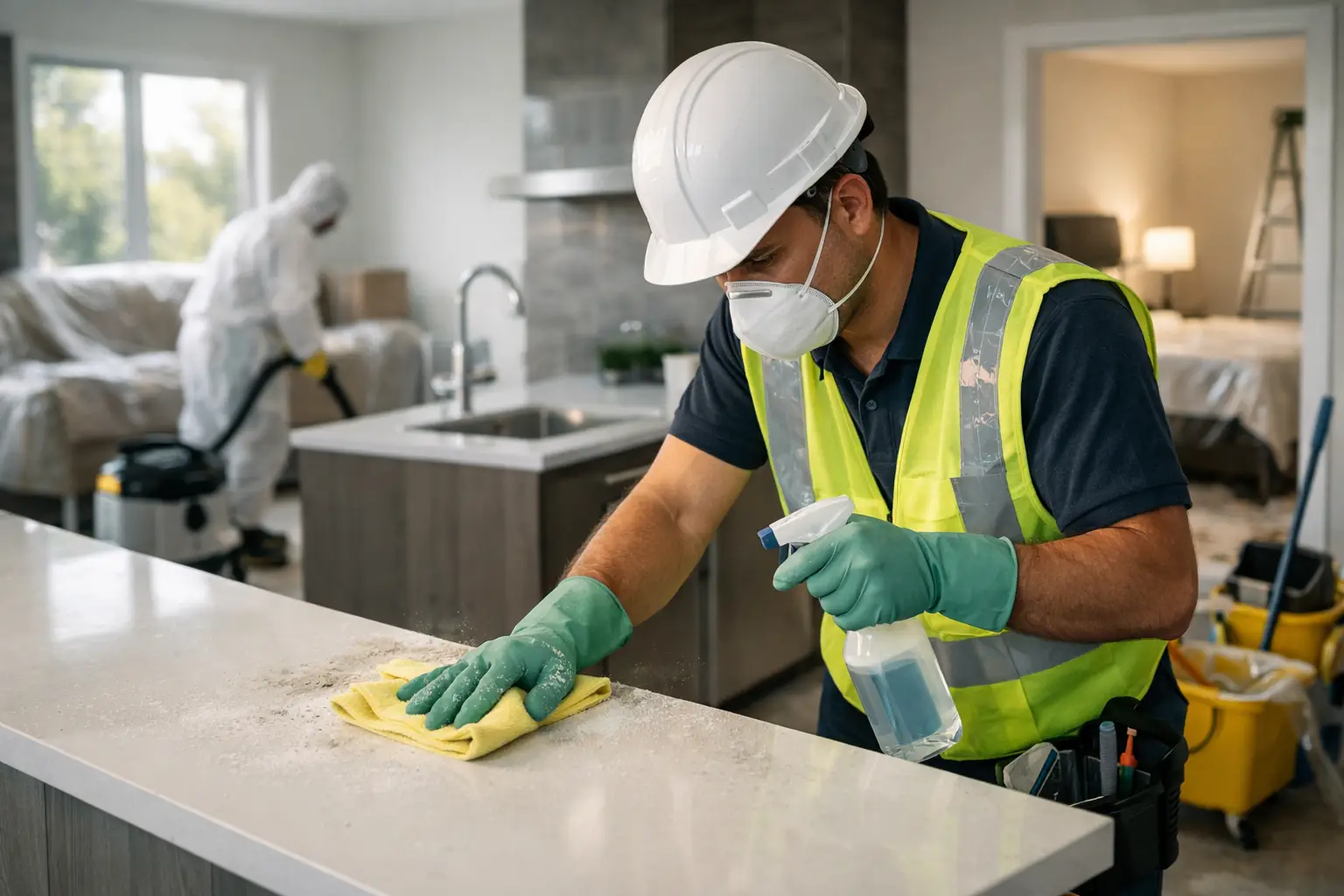
Post-renovation cleaning addresses fine dust, debris, and residue left after construction work. It may involve multiple passes because renovation dust settles long after the contractors have packed up. Pressure washing can be a practical option for exterior surfaces where weather, dirt, and mildew affect curb appeal.
These services are usually best treated as add-ons or standalone projects. They should not be assumed to be included in a standard cleaning visit. A trustworthy cleaning company will explain what the service covers, what preparation is needed, and whether the condition of the space calls for additional time.
How to Choose the Right Tier for Your Home
Start with the condition of the home, not just the date on your calendar. If your main concern is keeping bathrooms and floors under control, routine cleaning is likely the right fit. If you notice buildup on baseboards, cabinet fronts, fixtures, or neglected corners, schedule a deep clean. If the home is empty and a handoff is approaching, choose a move-focused service.
Next, consider how you use the space. A household with children, pets, and frequent guests may need weekly service, while a quiet apartment occupied by one person may be comfortable with a biweekly or monthly plan. Be upfront about priorities, too. Some customers care most about bathrooms and floors; others need kitchen sanitation, pet hair removal, or a polished presentation for clients and guests.
Finally, ask for a visible scope of work. You should know whether dusting includes blinds, whether cabinet interiors are included, how appliance cleaning is handled, and what counts as an add-on. Insured, trained cleaners and eco-conscious products add another layer of confidence, particularly for homes with children, pets, or sensitive surfaces.
The best cleaning tier is the one that makes your home easier to live in without adding another task to your list. Choose the level that matches the work in front of you, then let a consistent plan keep that fresh-start feeling going.