A cleaner workplace affects far more than appearances. It shapes first impressions, employee comfort, daily productivity, and the confidence customers have in your business. When comparing janitorial services vs in-house staff, the best choice is rarely about who can empty a trash can for the lowest hourly rate. It is about who can keep your space consistently clean, covered, and ready for business without creating avoidable management work.
For offices, retail spaces, clinics, property-managed buildings, and other busy workplaces, both options can work. The right fit depends on your cleaning needs, schedule, staffing capacity, and expectations for quality.
Janitorial Services vs In-House Staff: The Core Difference
An in-house cleaning employee works directly for your business. You recruit, hire, train, schedule, supervise, and pay that person or team. You also provide the supplies, equipment, workplace policies, and backup plan when someone is absent.
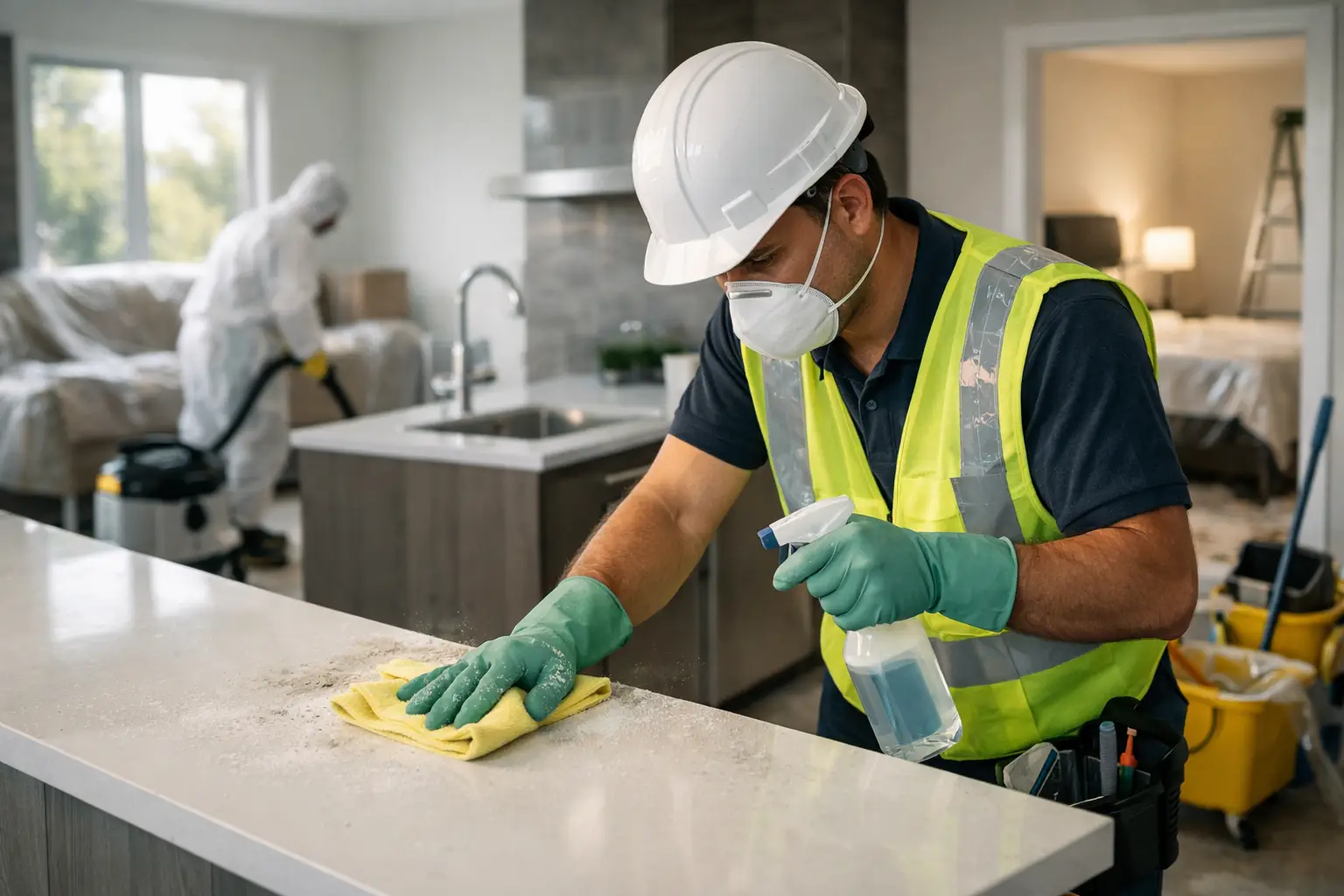
A professional janitorial company provides cleaning staff as an outside service. The company is responsible for staffing, training, payroll, insurance, cleaning procedures, and typically the supplies and equipment needed for the agreed scope of work. Your business sets the expected outcome and schedule, while the service provider manages the people and process behind it.
Neither arrangement is automatically better. A large facility with round-the-clock activity and highly specialized internal requirements may benefit from dedicated in-house staff. Many small and mid-sized businesses, however, find that outsourced janitorial service provides more predictable results with less administrative burden.
Look Beyond the Hourly Rate
The hourly wage of an in-house cleaner is only one part of the cost. A true cost comparison should include payroll taxes, benefits, workers’ compensation, hiring time, training, uniforms, cleaning products, equipment maintenance, storage, and coverage for sick days or vacation. If turnover is frequent, the cost of recruiting and retraining can add up quickly.
With a janitorial service, pricing is generally based on the size of the facility, frequency of service, type of work, and required supplies. That creates a clearer monthly operating expense. A detailed quote should explain what is included, how often each task is completed, and which specialty services are priced separately.
The lowest quote is not always the lowest long-term cost. A cleaning plan that skips restrooms, high-touch surfaces, floor care, or replenishment checks can leave your team handling the gaps. Choose based on the full scope of work, not just the number at the bottom of the proposal.
Consistency Depends on Coverage and Process
One of the biggest advantages of a janitorial company is built-in coverage. When an in-house employee calls out, your office manager or facilities lead may be left scrambling to find a substitute or decide which cleaning tasks can wait. Restrooms still need attention, trash still needs to be removed, and common areas still need to look presentable.
A dependable cleaning provider should have a staffing plan for absences, clear quality checks, and documented task lists. This structure matters most for businesses that need recurring evening cleaning, early-morning service, or reliable attention after high-traffic days.
In-house staff can offer excellent consistency when they are properly trained and managed. They know your building, your team, and your routines. The challenge is that consistency rests heavily on one person or a small internal team. If staffing changes, cleaning quality may change with it.
Checklists make expectations visible
Whether you hire internally or outsource, vague instructions lead to uneven results. “Clean the office” can mean very different things to different people. A practical checklist identifies the areas that matter: restrooms, break rooms, workstations, floors, glass, entrances, trash, touchpoints, and supply levels.
For example, daily service may focus on sanitation and presentation, while weekly service includes more detailed dusting, edge vacuuming, and floor care. Periodic deep cleaning can address upholstery, carpet spots, interior appliances, baseboards, and areas that regular service does not reach.
A professional provider should be comfortable discussing these details before service begins. Clear scope protects both sides and makes it easier to address concerns quickly.
Control Can Be a Benefit – or a Burden
Businesses often choose in-house staff because they want direct control. You can adjust priorities during the day, ask for immediate help with a spill, and assign additional tasks when needed. This can be valuable in large properties, schools, hospitality environments, or facilities with constant cleaning demands.
But direct control also requires direct management. Someone on your team must oversee training, inspect work, order supplies, handle performance concerns, and keep schedules covered. If your managers already have full workloads, cleaning oversight can become one more responsibility that receives attention only when there is a problem.
Outsourced janitorial service gives you control over results rather than daily employment details. You establish service standards, access requirements, and communication procedures. The cleaning company handles supervision and staffing. For many business owners, that is a better use of their time.
Training, Insurance, and Workplace Risk Matter
Commercial cleaning involves more than a mop and vacuum. Staff need to understand safe product use, proper handling of waste, floor safety, cross-contamination prevention, security procedures, and the expectations of working around employees and customers.
When you employ cleaners in-house, your business is responsible for training and keeping those practices current. You also need appropriate insurance coverage and procedures for accidents, damage, lost keys, and access to sensitive areas.
A qualified janitorial provider should carry insurance, use trained cleaning professionals, and follow defined procedures for entering and servicing your workplace. Ask how employees are screened, how quality concerns are handled, and what happens if there is accidental damage. These questions are not excessive. They are part of choosing a cleaning partner you can trust.
When In-House Staff May Be the Better Choice
An internal cleaning team can make sense when your facility has continuous cleaning needs throughout the day, requires a permanent on-site presence, or has highly specific operational knowledge that takes time to develop. It may also fit organizations that already have an experienced facilities manager and the budget to support a full cleaning program.
If your team needs immediate response for frequent spills, event turnover, or constant public traffic, a dedicated employee can provide valuable flexibility. The key is to plan for relief coverage, supplies, training, inspections, and turnover before bringing the role in-house.
When Janitorial Services Are Usually the Better Fit
Outsourcing is often a practical choice for offices and local businesses that need dependable cleaning after hours, several times per week, or on a customized schedule. It is especially useful when you want professional results without adding payroll administration or relying on one employee to keep the building clean.
It also makes sense when your cleaning needs change. You may need regular office cleaning most of the year, then a deeper service after renovations, before a move, following a busy season, or ahead of an important client visit. A full-service cleaning company can scale the scope without requiring you to hire, train, or equip additional internal staff.
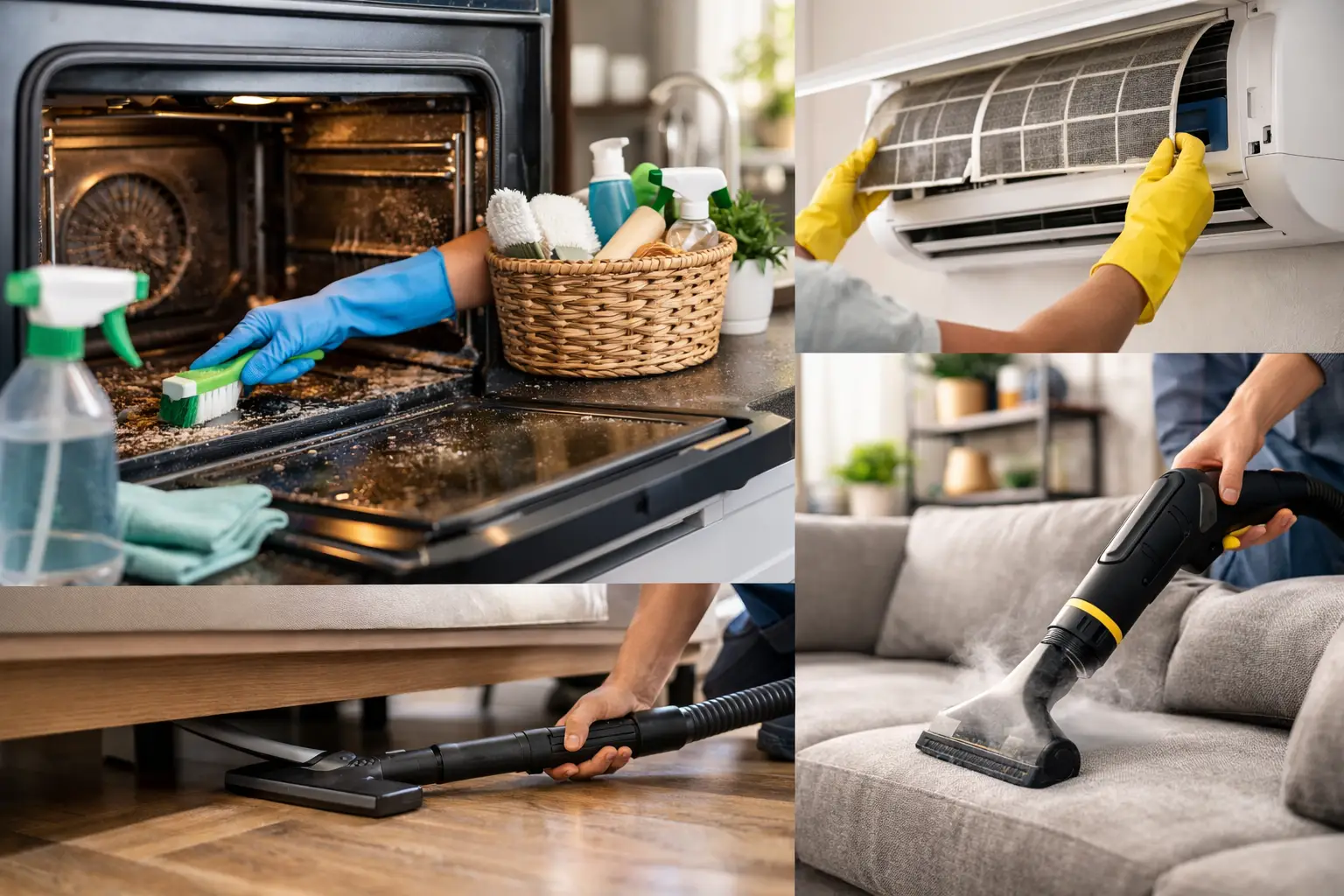
For businesses that want recurring care plus occasional specialty work, this flexibility is a meaningful advantage. Carpet and upholstery cleaning, post-renovation cleanup, detailed appliance cleaning, and pressure washing often require different tools and expertise than routine nightly service.
A Hybrid Approach Can Solve the Right Problems
The decision does not have to be all or nothing. Some organizations keep an on-site attendant for daytime touch-ups, supply checks, and immediate needs while hiring a janitorial company for scheduled evening cleaning and periodic deep cleaning.
This approach works well in buildings with public-facing traffic but limited need for a full internal cleaning department. Your employee can handle quick issues, while trained cleaning professionals complete the detailed work that keeps floors, restrooms, break rooms, and shared spaces at a higher standard.
How to Choose With Confidence
Start by documenting what your workplace actually needs over a typical week. Consider the number of restrooms, employee count, visitor traffic, floor types, break room use, operating hours, and any areas that require special attention. Then decide whether those needs require daily on-site availability or dependable scheduled service.
Ask potential providers for a clear scope of work rather than a general promise to clean. Confirm frequency, included supplies, quality checks, insurance, communication procedures, and how concerns are resolved. A reliable company will make the process straightforward and set realistic expectations from the beginning.
The best cleaning arrangement is the one your employees barely have to think about. When the space is consistently fresh, sanitary, and ready for work, your team can focus on serving customers and running the business. For workplaces that want that confidence without the workload of managing cleaners internally, a professional janitorial partner can be a practical, dependable choice.