A dusty reception desk, full trash bins, and streaked glass can change how clients and employees feel about your business before anyone says a word. The best Ancaster office cleaners do more than make a workplace look presentable after hours. They create a consistent cleaning plan that supports a healthier, more professional, and easier-to-manage office.
Choosing a cleaning company is not simply about finding the lowest quote. Your office has its own traffic patterns, shared spaces, security requirements, and expectations for cleanliness. A small professional office may need dependable weekly upkeep, while a busy clinic, showroom, or multi-tenant workplace may require service several times a week. The right fit starts with a clear scope of work and a team you can trust to complete it consistently.
Start With the Areas That Affect Your Office Most
Before requesting estimates, walk through your workplace as if you were a visitor arriving for the first time. Notice the entrance, reception area, floors, washrooms, break room, meeting rooms, and frequently touched surfaces. These are often the spaces that have the biggest effect on comfort, cleanliness, and first impressions.
Then consider what happens outside regular business hours. Are garbage cans overflowing by midday? Does the kitchen need daily attention because several employees use it? Do winter salt, mud, or rainwater make the entryway difficult to maintain? A good office cleaning plan reflects how your space is actually used, rather than applying the same checklist to every business.
Daily service can make sense for high-traffic offices, shared workspaces, and customer-facing locations. For a smaller office with limited foot traffic, weekly or biweekly visits may be sufficient. It depends on the number of people using the space, the type of work performed, and how much cleaning your staff are expected to handle between visits.
What the Best Ancaster Office Cleaners Should Include
A professional estimate should make the service scope easy to understand. Vague promises of a clean office can lead to missed expectations. Ask what is completed at every visit, what is handled periodically, and what requires an additional charge.
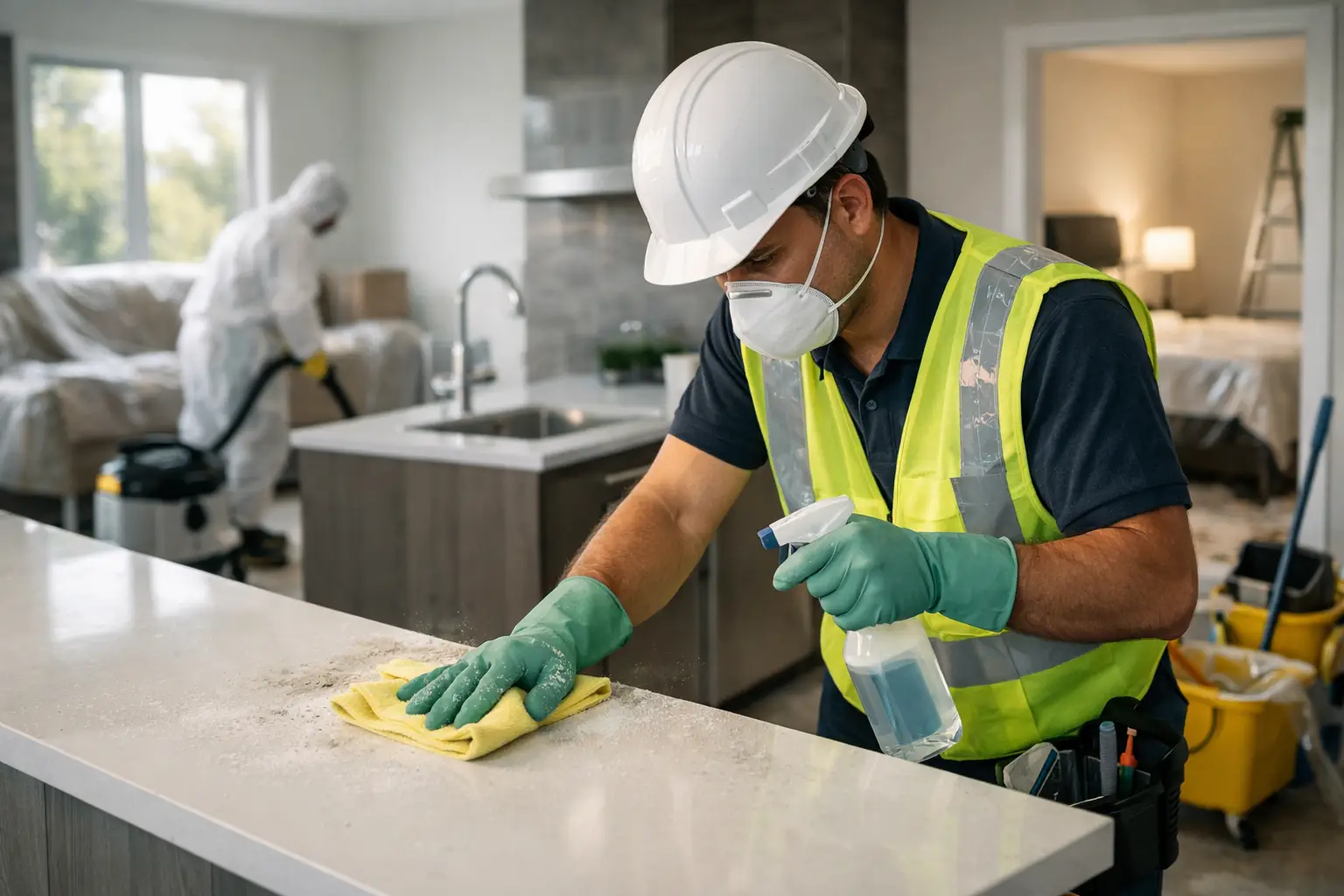
Routine office cleaning commonly includes emptying waste and recycling, vacuuming carpets and mats, mopping hard floors, wiping accessible surfaces, cleaning washrooms, and tidying break areas. The strongest service plans also address high-touch points such as door handles, light switches, shared tables, and kitchen appliance handles. These details matter because they are where dirt, fingerprints, and everyday use become most visible.
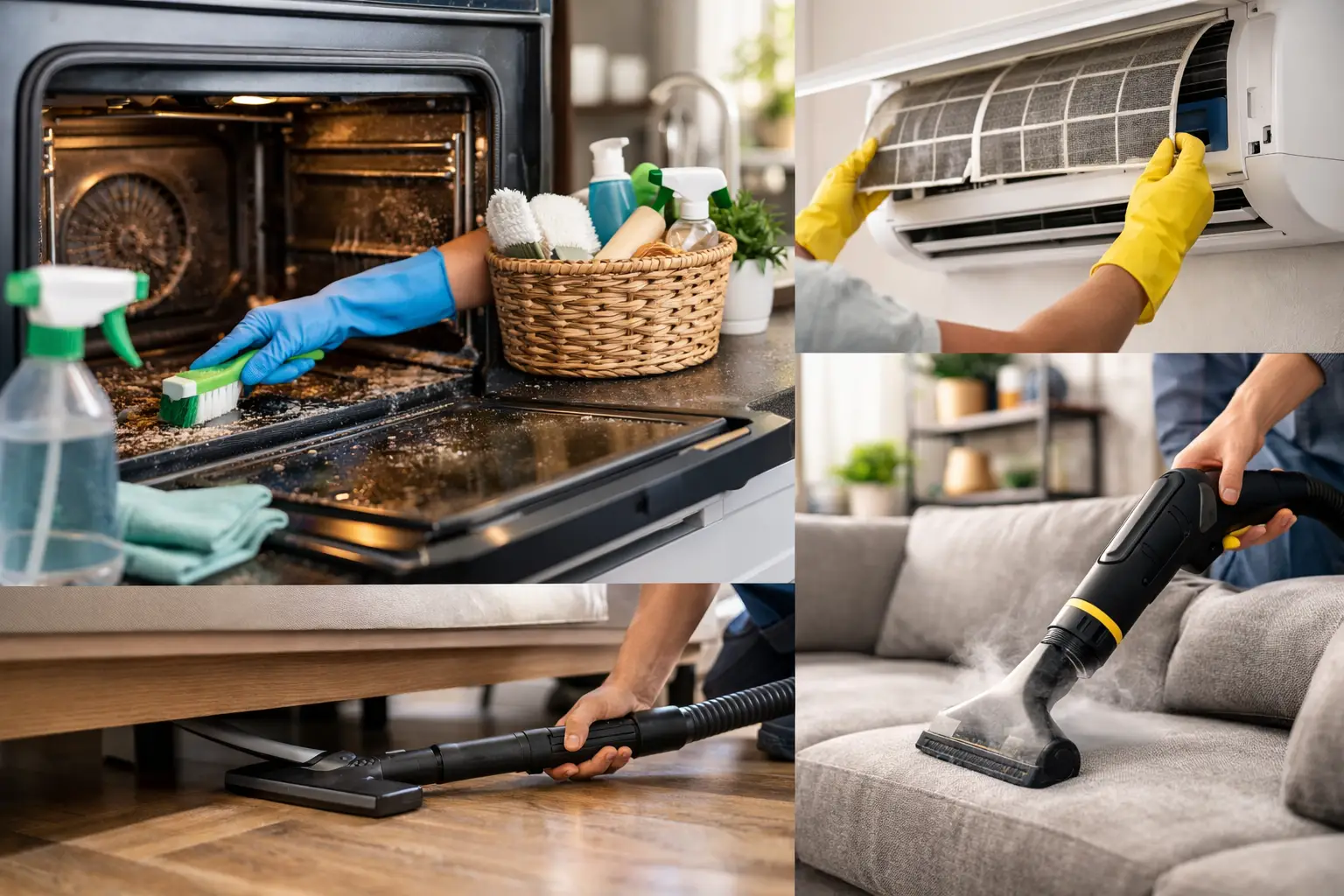
Periodic tasks should also be discussed upfront. Interior glass, baseboards, detailed dusting, carpet cleaning, upholstery cleaning, and appliance cleaning may not be necessary at every appointment, but they can make a meaningful difference over time. A reliable provider can recommend a schedule based on your office rather than selling services you do not need.
If your business has special considerations, raise them during the walkthrough. This may include confidential paperwork, restricted rooms, sensitive equipment, employee allergies, pets on site, or a need for fragrance-free and eco-conscious products. Clear information helps the cleaning team work safely and helps prevent surprises after service begins.
Look for Reliability You Can Verify
An office cleaning company is often in your workplace when your team is not. That makes trust and accountability essential. Ask whether cleaners are trained, insured, and covered appropriately for commercial work. You should also understand who will have access to keys, alarm codes, or entry instructions, and how the company manages those details.
Consistency matters just as much as a strong first clean. A provider should have a dependable process for scheduling, quality checks, communication, and issue resolution. If a cleaner is unavailable, ask how coverage is handled. If something is missed, ask how you should report it and how quickly it will be addressed.
A detailed checklist is a practical sign of a well-run service. It gives your team and the cleaning crew a shared standard for the work. Checklists can be adjusted by area, which is especially useful when washrooms, reception spaces, kitchens, and private offices require different levels of attention.
It is also reasonable to ask for references or reviews from similar local workplaces. A company that regularly cleans offices should be able to explain how it works with business clients, handles access procedures, and adapts to changing needs.
Compare Quotes by Value, Not Just Price
A lower price can be appealing, but it may reflect a shorter visit, fewer tasks, limited insurance, or an unclear scope. The most useful comparison is not the bottom-line number. It is the value of what your office receives at that price.
When reviewing quotes, compare the visit frequency, estimated labor time, list of included tasks, supplies, floor care, washroom service, and the process for add-ons. Find out whether the provider supplies cleaning products, paper goods, liners, or dispensers, since these items can affect the total cost. Clarify whether deep cleaning, carpet extraction, post-renovation cleanup, or emergency visits are priced separately.
Recurring service often provides better long-term value than calling for occasional cleanups after problems build up. Regular maintenance protects the appearance of flooring and shared furnishings, reduces the workload placed on employees, and makes the office easier to keep presentable between visits. Still, a one-time deep clean can be the right first step if the space has been neglected or is preparing for a move, reopening, or important client event.
Choose a Schedule That Does Not Interrupt Work
A cleaning plan should support the way your office operates. Some businesses prefer evening service after staff leave, while others need early-morning cleaning before clients arrive. Smaller offices may be comfortable with daytime service if there is a quiet window and the work can be completed without disrupting calls or meetings.
Be specific about building access, elevator use, parking, alarm systems, and noise limits. These operational details may seem minor, but they can determine whether service is smooth or frustrating. A professional cleaner will ask these questions before the first appointment, not after a problem occurs.
Flexibility is valuable, especially for offices that host events, experience seasonal traffic, or have changing staff levels. Ask whether you can adjust frequency when needed and how much notice is required. The goal is a plan that stays dependable without locking you into cleaning visits that no longer match your needs.
Pay Attention to Health, Safety, and Product Choices
A clean office should not come at the expense of employee comfort or safe procedures. Ask what products are used on desks, washrooms, kitchens, and floors. Eco-friendly options can be a good fit for offices that want to reduce harsh chemical exposure or accommodate staff with sensitivities. However, product choice should still match the surface and the level of cleaning required.
Safe commercial cleaning also means using the right methods for each material. Carpet, tile, vinyl, hardwood, glass, upholstery, and stainless steel all require different care. Improper products or excessive moisture can damage finishes, create slip hazards, or leave behind residue that attracts more dirt.
A qualified cleaner should also have clear procedures for spills, broken glass, and other unexpected issues. For workplaces with particular sanitation requirements, explain those needs directly. The best solution is often a customized checklist, not a generic package.
Ask These Questions Before You Book
A short conversation can reveal whether a cleaning company is prepared to support your office over the long term. Ask how the team is trained, whether staff are insured, how quality is checked, and what happens when a concern is reported. Confirm the exact tasks completed at each visit, the service schedule, access procedures, and any supply responsibilities.
You should also ask whether the company can provide deep cleaning, carpet and upholstery care, post-renovation cleaning, or other specialty work when your office needs it. Working with one dependable provider for routine service and occasional intensive cleaning can simplify scheduling and keep standards consistent.
For offices in Ancaster and the surrounding Hamilton area, Get It Done Cleaning Services can build a commercial cleaning plan around your workplace, from recurring upkeep to detailed project-based cleaning. The focus should always be on visible results, clear expectations, and service that fits your actual operations.
A clean office is easier to notice when it is missing than when it is consistently done well. Choose a team that makes cleanliness one less thing for your employees to manage, so your workplace is ready for the next workday, client visit, or unexpected opportunity.