A cleaner may be working around your furniture, electronics, flooring, keys, pets, employees, and personal belongings. That is why the question, “are cleaners insured?” should come before you hand over access to your home or workplace. A professional cleaning service should be ready to explain its coverage clearly, without vague answers or pressure to book first.
Insurance does not replace careful work, detailed checklists, or respectful staff. It does, however, provide an added layer of protection when an unexpected accident happens. For homeowners, renters, property managers, and business owners, that peace of mind can be just as valuable as spotless results.
Are Cleaners Insured, and Why Does It Matter?
Not every independent cleaner or cleaning company carries the same insurance. Some may have no coverage at all. Others may hold general liability insurance but not coverage related to employees, workplace injuries, or specific specialty services. The right question is not simply whether a cleaner says they are insured. It is what coverage they carry and whether it applies to the work you are booking.
General liability insurance is often the starting point. This coverage may help if a cleaner accidentally damages property or causes an injury while working at your home or business. For example, if a cleaning product damages a surface, equipment is knocked over, or a visitor slips on a recently mopped floor, liability coverage can help address a valid claim.
For customers, the alternative can be stressful. Without proper coverage, you may be left trying to resolve damage directly with an individual cleaner. Even when everyone has good intentions, disagreements over responsibility, repair costs, and timing can turn a simple cleaning appointment into an unnecessary headache.
A properly insured company also shows that it takes its operations seriously. Insurance is one part of running a professional service alongside training, safety procedures, reliable scheduling, clear scopes of work, and respectful customer care.
The Types of Coverage Worth Asking About
You do not need to become an insurance expert to hire a cleaner confidently. A reputable provider should be able to explain the basics in plain language. Coverage needs vary by company and service, but a few areas are especially relevant.
General liability insurance
This is the coverage most customers should ask about first. It is designed to address third-party claims involving accidental property damage or bodily injury connected to the cleaning work. Ask whether the company has active general liability insurance and whether its work in residential or commercial spaces is included.
The amount of coverage matters, particularly for commercial properties or homes with high-value finishes, fixtures, and belongings. A small apartment cleaning may carry different risk than a large office, post-renovation project, or property with expensive stone, hardwood, or custom furnishings.
Worker injury coverage
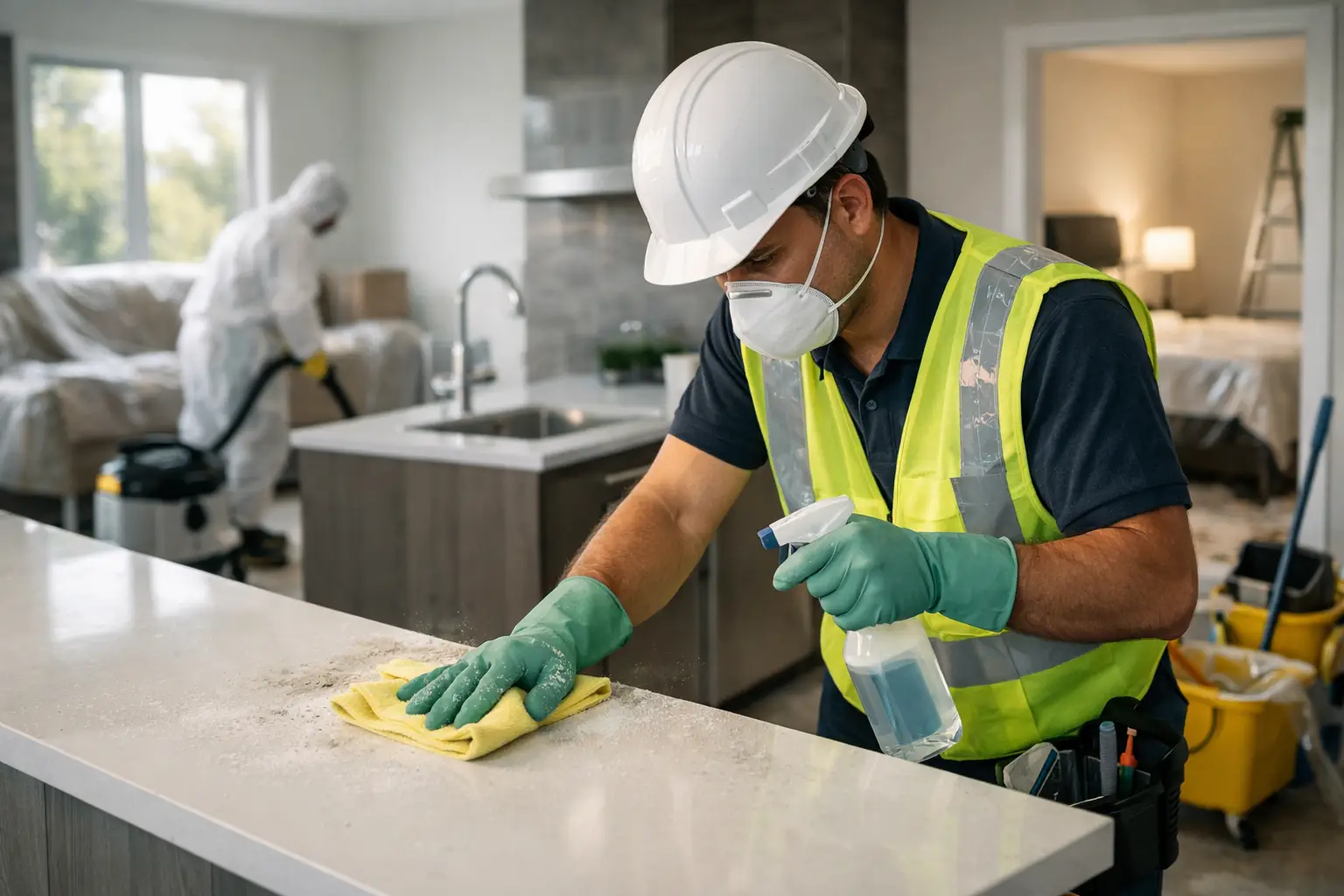
If a cleaning company sends employees into your home or business, ask how it handles worker injuries. Cleaning can involve wet floors, lifting, ladders, equipment, and repetitive work. Proper worker injury coverage helps protect the people doing the work and reduces the chance that a customer will be pulled into an injury-related dispute.
This question is especially useful for property managers and business owners. A professional company should have clear policies for employee safety, training, and incident reporting.
Bonding and employee dishonesty coverage
People often use the words “bonded” and “insured” as if they mean the same thing. They do not. Insurance generally addresses accidental damage or injury. Bonding or employee dishonesty coverage may apply in certain situations involving theft or dishonest acts by an employee.
Not every cleaning provider is bonded, and the available protection can vary significantly. If cleaners will have access to keys, alarm codes, private offices, sensitive records, or valuables, it is reasonable to ask whether this type of coverage is in place and what its limits are.
Coverage for specialty services
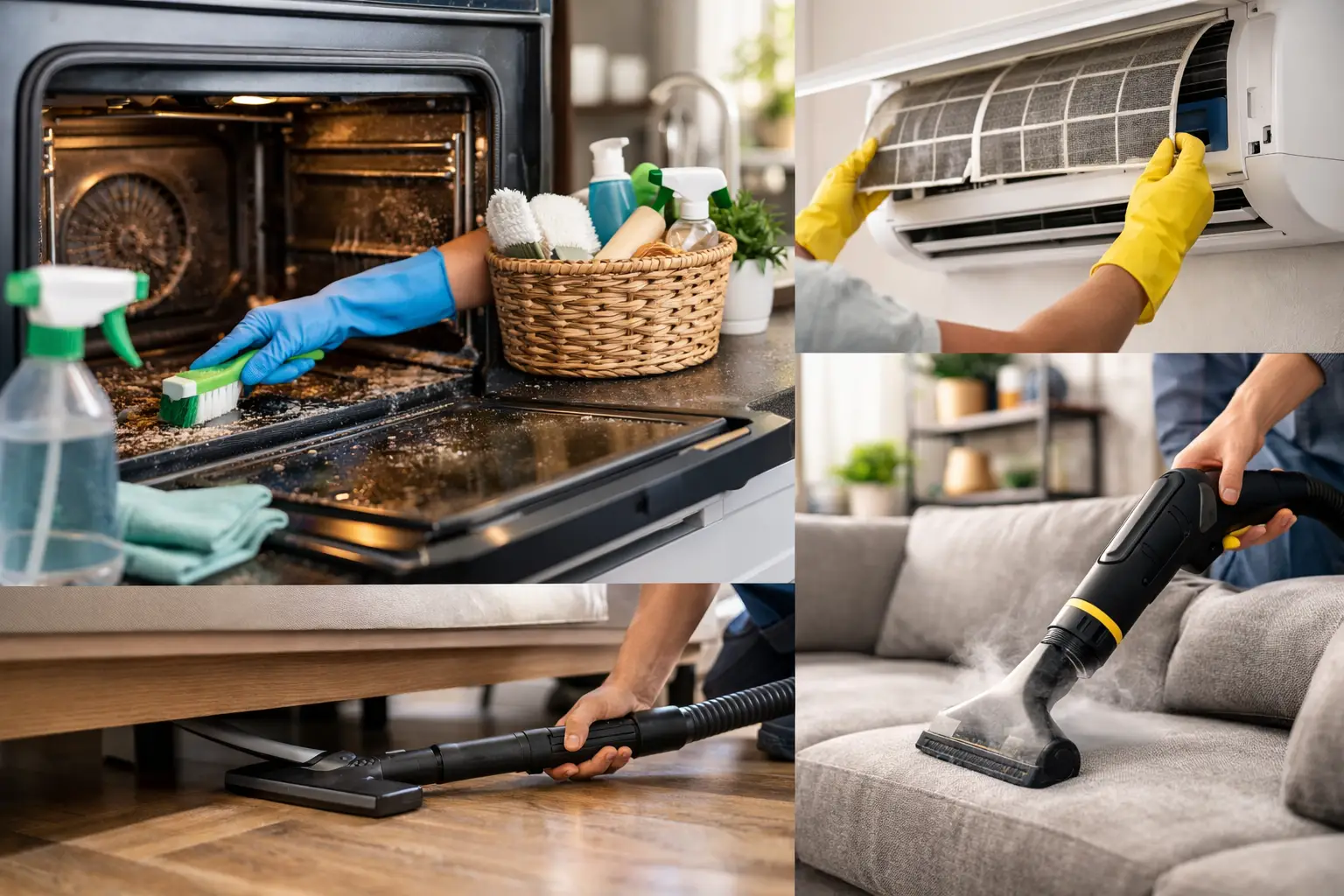
A standard maintenance clean is different from carpet and upholstery cleaning, pressure washing, appliance cleaning, or post-renovation work. Specialty services may involve additional equipment, water use, stronger products, exterior surfaces, or renovation dust.
Ask whether the company’s coverage applies to the exact service you need. It is also smart to discuss the materials in your space before the appointment. Natural stone, delicate upholstery, antique finishes, unsealed wood, and specialty flooring may require a different method or product than standard surfaces.
What to Ask Before You Hire a Cleaning Service
A quick conversation before booking can prevent confusion later. You do not need to interrogate a cleaner, but you should feel comfortable asking direct questions.
Start by asking whether the company is insured and what kind of coverage it carries. If insurance is important to you, ask whether it can provide proof of current coverage or a certificate of insurance. Professional providers are used to reasonable requests, especially for commercial work, recurring service, and larger projects.
Then ask how the company handles accidental damage. A clear answer should explain who to contact, how an incident is documented, and what happens next. The best time to understand a claims process is before anything goes wrong.
It also helps to confirm the cleaning scope in writing. A detailed checklist reduces misunderstandings about what is included, what requires an add-on, and what may need special attention. If you want the inside of appliances cleaned, heavy buildup removed, upholstery treated, or a post-renovation cleanup completed, say so upfront. Clear expectations support better results and make it easier to identify issues fairly.
For homes with pets, children, allergies, or sensitive materials, ask about products and methods. Eco-conscious products can be a great fit for many households, but “eco-friendly” does not mean every product is right for every surface or sensitivity. A professional cleaner should be willing to discuss practical options.
Insurance Is Not a Substitute for Good Process
Insurance matters, but it should not be the only sign of a trustworthy cleaning company. A provider can carry insurance and still offer poor communication, rushed work, or unclear service terms. Look at the full picture.
Reliable cleaners arrive within the agreed service window, respect your instructions, use appropriate products, and follow a consistent checklist. They should also be transparent about pricing, access requirements, cancellation policies, and the condition of the space when they arrive. This is particularly important for move-in, move-out, and post-renovation cleaning, where the work is often time-sensitive and more detailed.
At Get It Done Cleaning Services, trained and insured cleaners are paired with clear service scopes so customers know what to expect before the work begins. That combination matters. Coverage protects against the unexpected, while preparation and attention to detail help prevent problems in the first place.
A Few Red Flags to Watch For
A low quote can be appealing, especially when you need quick help. But if the price seems unusually low, take a moment to ask why. An uninsured operator may have lower overhead, but the savings can shift risk back to the customer.
Be cautious when a provider cannot answer basic questions about coverage, refuses to confirm its business details, or gives unclear responses about damage claims. The same applies to anyone who promises every task without asking about the size, condition, or special requirements of the space. Professional cleaning is not one-size-fits-all, and honest providers set realistic expectations.
You should also pay attention to communication. If it is difficult to get a clear quote, service checklist, or appointment confirmation before booking, it may be even harder to get help if an issue arises afterward.
Choosing With Confidence
The right cleaning service makes your life easier, not more complicated. Ask about insurance, confirm the scope of work, share any special concerns, and choose a provider that communicates with care. Whether you need recurring home cleaning, a detailed office clean, or help getting a property ready for a move, a little due diligence helps protect your space and lets you enjoy the real benefit of professional cleaning: coming back to a place that feels cared for.