
A kitchen can look fine on Sunday and feel overdue by Thursday. Crumbs collect under stools, fingerprints return to appliances, pet hair gathers along baseboards, and the bathroom needs attention again. That is why the choice between weekly vs monthly house cleaning is less about picking a standard schedule and more about matching service to the way your household actually lives.
A recurring cleaning plan should make life easier, not create another decision to manage. The right frequency protects your time, keeps high-use areas sanitary, and prevents the buildup that can turn a routine appointment into a more intensive cleaning visit. For many homes, the best answer falls clearly on one side. For others, it changes with the season, work schedule, family needs, or a recent move.
Weekly vs Monthly House Cleaning: The Main Difference
Weekly cleaning focuses on maintaining a consistently clean, comfortable home. A professional cleaner returns before dust, soap residue, and everyday mess have time to become stubborn. This schedule is especially effective for kitchens, bathrooms, floors, and other surfaces that see daily use.
Monthly cleaning is more of a reset. It can keep a generally tidy home in good shape, but it leaves more time for dirt, grease, and clutter to accumulate between appointments. The cleaner may need to spend more time catching up on areas that would be quick maintenance work during a weekly visit.
Neither option is automatically better. Weekly service usually offers the strongest level of consistency, while monthly service can be a practical fit for lower-traffic homes and people who clean regularly on their own. The real question is how much cleaning your home needs between professional visits and how much of that work you want to handle yourself.
When Weekly Cleaning Makes Sense
Weekly service is often the trusted choice for busy households that want reliable results without giving up evenings or weekends to chores. It helps keep a home guest-ready, reduces the visual stress of clutter and mess, and gives cleaners enough frequency to maintain details rather than repeatedly recover them.
Families with young children often benefit from weekly cleaning because spills, food messes, and bathroom traffic add up quickly. The same is true for pet owners. Fur, dander, paw marks, and odors can return faster than a monthly schedule can reasonably manage, especially during shedding periods.
Weekly cleaning can also support a healthier indoor environment. Regular vacuuming, dusting, and cleaning of frequently touched surfaces can reduce the amount of dust and everyday grime settling throughout the home. While no routine service replaces specialized care for every allergy or health concern, a consistent schedule makes it easier to keep living spaces fresh and sanitary.
This frequency is also a good fit when your home is used heavily during the day. Remote workers, multi-generational households, people who host often, and households with several bathrooms may find that weekly appointments prevent the constant cycle of cleaning and recleaning.
The trade-off is cost. Weekly visits mean a higher monthly spend than a single monthly appointment. However, recurring service may offer better value over time because cleaners are maintaining the home rather than spending extra time tackling buildup. For households that value time and consistency, that investment can be well worth it.
When Monthly House Cleaning Is Enough
Monthly cleaning can work well for a smaller household with limited daily traffic. For example, a single professional who travels frequently, a couple without pets or children, or someone who keeps up with light cleaning during the month may only need a professional visit every four weeks.
This schedule gives your home a dependable refresh without the commitment of more frequent service. A monthly appointment can cover the tasks that are easy to put off, such as thorough bathroom cleaning, dusting, floor care, and cleaning kitchen surfaces more carefully than a quick weekday wipe-down allows.
It is a sensible budget-conscious option when you are willing to do regular maintenance yourself. Between visits, you will likely need to handle dishes, counters, quick vacuuming, bathroom touch-ups, and spills as they happen. If those tasks are already part of your routine, monthly service can relieve the deeper workload without paying for weekly help.
Still, monthly cleaning has limits. Homes with pets, kids, heavy cooking, or frequent guests can accumulate enough mess that the appointment becomes a catch-up session. If you find yourself doing a full clean before the cleaner arrives, the schedule is probably too far apart to deliver the convenience you expected.
Consider Your Home’s Real Cleaning Load
Square footage matters, but it is not the best measure of cleaning needs. A compact apartment with two dogs and a busy family schedule may need more frequent attention than a large home occupied by one person who is rarely there.
Start by looking at the areas that become dirty first. If the kitchen floor is visibly messy after a few days, the bathroom needs attention every week, or dust returns quickly to furniture and vents, weekly service may be the better fit. If your home stays orderly for several weeks with light upkeep, monthly cleaning may be enough.
Pay attention to the kind of mess, too. Surface clutter needs organizing, but cleaning buildup requires time and products. Grease around a stove, mineral residue on shower glass, dust behind furniture, and pet hair in upholstery become harder to address when they are left for weeks. A dependable recurring schedule prevents those details from becoming an overwhelming project.
Think About Time, Not Just Price
Comparing weekly and monthly service only by appointment cost can miss the bigger value. Ask yourself how many hours you currently spend each month cleaning, shopping for supplies, moving from room to room, and catching up after a demanding week.
Weekly service tends to reduce the amount of cleaning you need to do between visits. You may still handle daily tasks, but the home does not reach the point where you need to sacrifice a Saturday to restore order. Monthly service has a lower upfront cost, but it may require more personal effort between appointments.
A practical way to decide is to consider your busiest weeks. If cleaning is the first thing that gets postponed when work, school, or family responsibilities increase, choose a schedule that protects you during those periods. A home should be a place to recover, not another unfinished task waiting at the end of the day.
A Flexible Plan Often Works Best
Your ideal frequency does not have to stay fixed forever. Many households start with a deep cleaning to bring the home up to a comfortable baseline, then move into recurring weekly or monthly maintenance. This approach is especially useful after a renovation, move, long period without professional cleaning, or a busy season that left the house behind.
You can also adjust as life changes. Weekly cleaning may make sense during the school year, while monthly visits may be sufficient when the home is quieter. A new pet, a baby, a work-from-home change, or frequent entertaining can all be reasons to increase service.
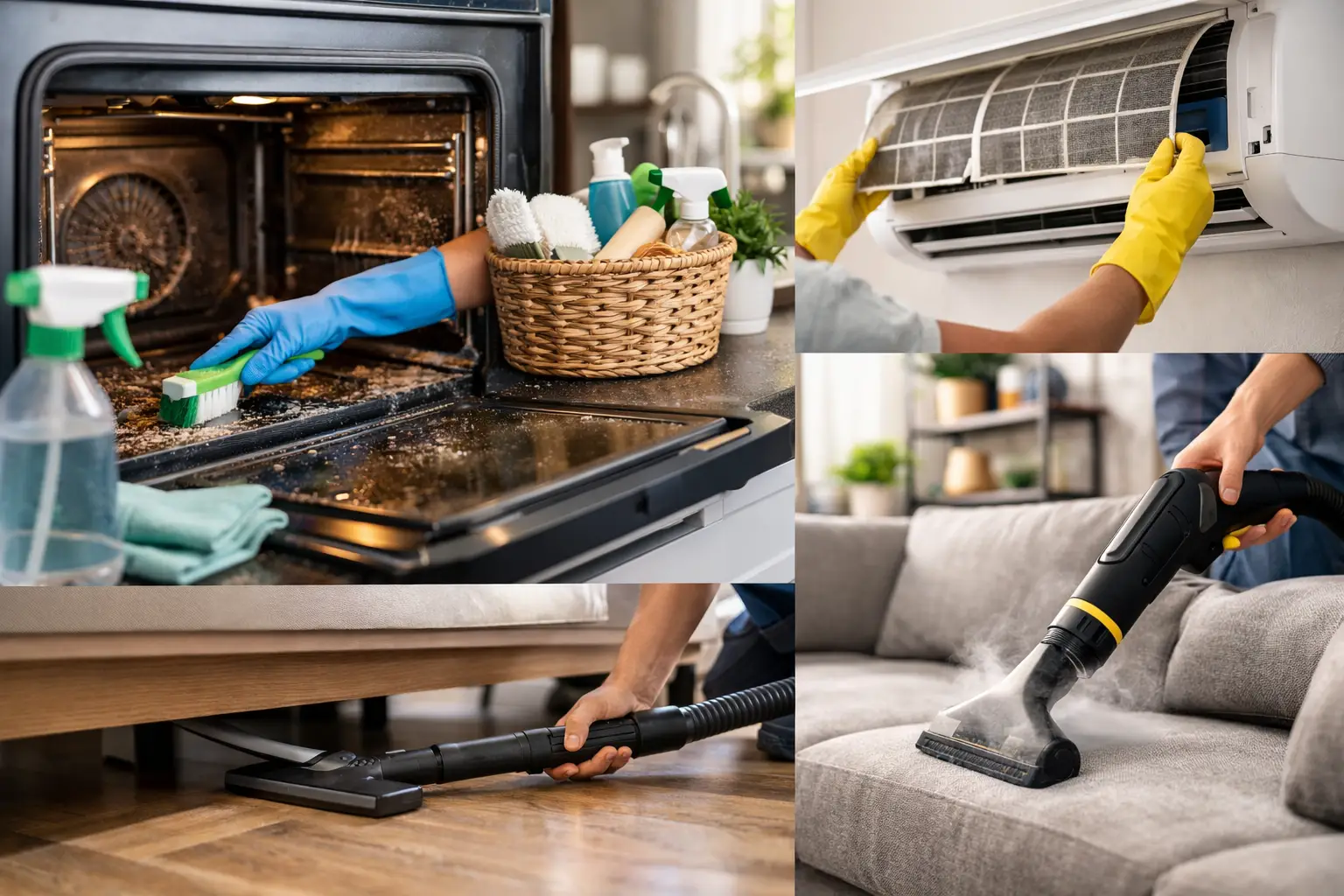
Clear cleaning checklists make these changes easier. Before booking, confirm what is included in a standard recurring visit, which rooms receive priority, and whether specialty tasks such as carpet cleaning, appliance cleaning, or upholstery care should be scheduled separately. Transparent scope helps you choose a plan that delivers spotless results without surprises.
Choose the Schedule You Can Feel Good About
If you want a consistently clean home with minimal effort between visits, weekly cleaning is usually the stronger choice. If your household is low-traffic, you maintain the basics yourself, and you mainly want a professional reset, monthly cleaning can be a practical solution.
There is no prize for choosing the least frequent service possible. The right plan is the one that gives you a cleaner, healthier space and more time for the people and priorities waiting outside your chore list.