A carpet can look clean on the surface while still holding tracked-in soil, pet residue, allergens, and old spills deep in its fibers. That is why the choice between steam cleaning vs shampooing matters. Both methods can improve the appearance of carpet and upholstery, but they work differently, leave behind different moisture levels, and suit different cleaning situations.
For most homes and businesses, the best option depends on the material, the type of soil, how quickly the area needs to dry, and whether there are ongoing concerns such as pet odors or heavy foot traffic. A professional assessment helps prevent a common mistake: using a cleaning method that makes a stain look better temporarily but leaves residue behind.
Steam Cleaning vs Shampooing: The Key Difference
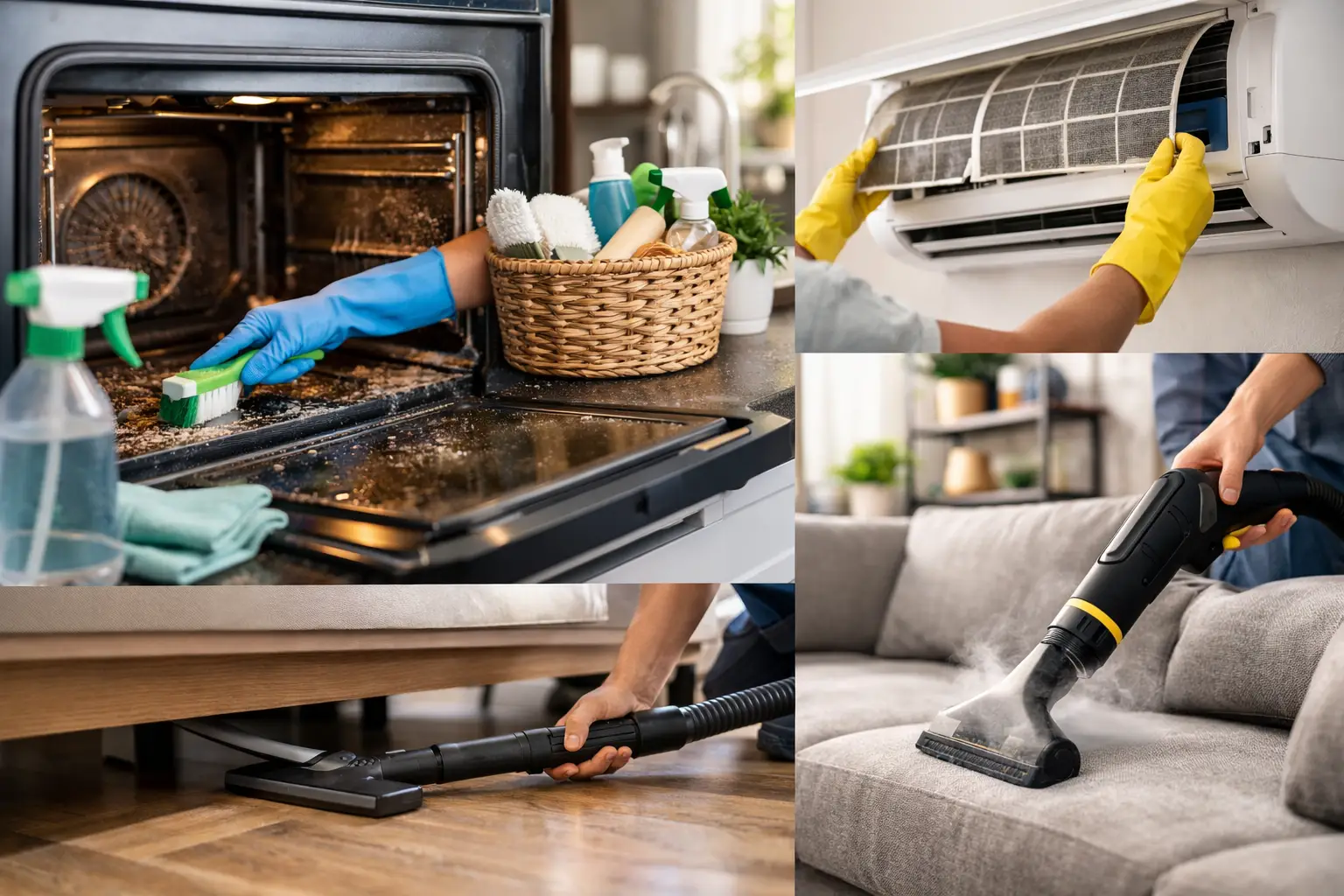
Steam cleaning and shampooing are often used interchangeably, but they are not the same service. In professional carpet care, what people call steam cleaning is usually hot water extraction. This process applies heated water and a cleaning solution into the carpet fibers, then uses powerful suction to remove the water along with dissolved dirt, debris, and cleaning solution.
Shampooing uses a cleaning product that is worked into the carpet with a machine or brush. The shampoo loosens soil through agitation, creating foam or a lubricated cleaning layer that can then be lifted away. Depending on the equipment and process, some shampoo residue may remain if the carpet is not thoroughly rinsed or extracted afterward.
Neither method is automatically right or wrong. The difference is in how each one handles deep soil, stains, drying, and residue.
When Steam Cleaning Is the Better Choice
Hot water extraction is usually the stronger choice when carpet needs a deeper reset. It is especially useful for homes with pets, children, frequent visitors, or carpeted areas that collect outdoor dirt. The combination of heat, cleaning solution, and extraction reaches below the visible surface where dry soil and oily residue tend to settle.
A well-performed steam cleaning can help with food spills, muddy traffic lanes, pet-related messes, and dull-looking carpet that has not been professionally cleaned in some time. Because the process extracts the cleaning solution instead of simply spreading it through the fibers, it can leave carpet feeling fresher and less likely to attract new dirt quickly.
Steam cleaning also works well for many upholstered pieces, although fabric type always matters. Delicate materials, natural fibers, and furniture with sensitive dyes may require a lower-moisture or specialty approach. A trained cleaner should test a small, inconspicuous area before treating the full piece.
The trade-off is drying time. A properly extracted carpet often dries within several hours, but that can vary with humidity, ventilation, carpet thickness, and how heavily soiled the area was. If a room has poor airflow or thick padding, it may take longer. Fans, open windows when weather allows, and running the HVAC system can help speed up the process.
When Shampooing Can Make Sense
Carpet shampooing can be useful when the main goal is surface-level improvement, spot treatment, or maintenance in a lightly soiled area. Agitation can loosen embedded debris effectively, particularly when paired with a proper rinse or extraction step. It may also be considered for certain carpet constructions when a cleaning professional determines that it is appropriate.
For a business that needs quick appearance improvement in a limited area, shampooing may be part of the solution. It can refresh carpet that has become flattened or visibly dull from daily traffic. However, the quality of the result depends heavily on the product used, the amount applied, and whether residue is removed.
The biggest concern with shampooing is overuse. Too much product or insufficient rinsing can leave a sticky film in the carpet. That film may attract dirt, causing the carpet to look dirty again sooner than expected. DIY carpet cleaners can create this problem when detergent is applied generously but the machine does not have enough extraction power to pull it back out.
Shampooing is not usually the first recommendation for heavily soiled whole-home carpet, persistent odors, or carpets that feel stiff or tacky from previous cleaning products. In those situations, hot water extraction is often more effective at flushing away what is already in the fibers.
Stains, Odors, and Heavy Traffic Need Different Solutions
The cleaning method is only one part of the job. The source of the problem matters just as much.
A fresh coffee spill, for example, may respond well to targeted spot treatment before either method is used. A pet accident needs more than a general carpet wash because odor-causing residue can reach the backing and padding. A greasy hallway in a busy office may need pre-treatment and agitation before extraction can produce an even result.
For recurring pet odors, a cleaner may need to use an appropriate enzyme-based treatment or odor-neutralizing process before deep cleaning. Simply adding fragrance to the carpet does not remove the source. Similarly, a stain that returns after cleaning may be wicking from the backing or padding as the carpet dries, not a sign that the surface was missed.
High-traffic areas deserve special attention because soil is often compacted into the fibers. Entryways, hallways, stairs, and the space in front of sofas or desks can look darker than the rest of the carpet even after routine vacuuming. Pre-treatment, careful agitation, and strong extraction are usually more effective here than a quick shampoo alone.
Drying Time and Daily Disruption
For busy households, drying time can influence the decision as much as cleaning performance. If you are preparing for guests, moving into a new home, or reopening a work area after cleaning, ask what the expected dry time will be before service begins.
Steam cleaning uses more water than some low-moisture methods, but professional equipment removes a significant portion of that moisture during extraction. The carpet should feel damp, not saturated. Oversaturation can create problems, including extended drying, musty smells, or potential damage to certain flooring and carpet backings.
Shampooing may seem like the faster option, but it does not always dry faster. Dense foam, excess solution, and inadequate extraction can keep moisture in the carpet. What matters most is a controlled process, the right amount of product, and equipment that can remove moisture effectively.
For commercial properties, scheduling is often the practical answer. Cleaning after business hours or during lower-traffic periods gives carpet time to dry and reduces disruption for staff and customers. For homes, cleaning earlier in the day provides more time for ventilation before evening.
What About Eco-Friendly Carpet Cleaning?
A healthier cleaning process is not only about the method. It is also about the products, dilution, ventilation, and removal of cleaning solution after the work is done. Professional cleaners can use eco-conscious products designed to break down soil without leaving behind harsh odors or unnecessary residue.
If children, pets, or allergy-sensitive family members use the space, ask about the products being used and whether the process includes thorough extraction. Regular vacuuming between professional cleanings also makes a meaningful difference. Removing dry soil before it gets ground into the carpet helps preserve fibers and reduces the need for aggressive treatment later.
How to Choose the Right Carpet Cleaning Method
Choose steam cleaning when you need a deeper clean, are dealing with accumulated soil, or want to remove cleaning residue left from previous treatments. It is often the practical option for move-in or move-out cleaning, post-renovation dust, pet households, and carpet that has not been professionally serviced in a while.
Consider shampooing as part of a targeted maintenance plan when carpet is lightly soiled and the process includes controlled product use and proper removal. It can improve appearance, but it should not be treated as a shortcut for heavily contaminated carpet or persistent odors.
The material should always guide the final decision. Wool, silk blends, natural-fiber rugs, and delicate upholstery may require specialized products and moisture control. Manufacturer recommendations are useful, but a professional inspection is the safest way to avoid shrinkage, color transfer, or texture changes.
For Hamilton homeowners, renters, and businesses, Get It Done Cleaning Services can help identify the right approach for carpet and upholstery based on the condition of the space, not a one-size-fits-all promise. A clear scope of work, trained and insured cleaners, and attention to drying and detail make the process easier to plan.
A clean carpet should feel comfortable underfoot, look even across the room, and support a healthier space for the people using it. Choosing the method that fits the soil, fabric, and schedule is what turns a quick refresh into a result that lasts.