A lobby can look clean at 8 a.m. and feel neglected by 2 p.m. That gap is where many businesses start rethinking their commercial cleaning solutions. It is not just about emptying trash or running a vacuum after hours. It is about keeping a space consistently presentable, healthier for staff and visitors, and easier to manage without adding more work to your day.
For offices, retail spaces, clinics, shared buildings, and other busy workplaces, the right cleaning plan has to match how the space is actually used. A small professional office has different needs than a customer-facing storefront. A property manager dealing with multiple tenants has different pressures than a business owner preparing for inspections or hosting clients. Good cleaning works best when the service is built around those realities instead of forcing every space into the same checklist.
What commercial cleaning solutions should actually solve
A lot of cleaning problems are operational problems in disguise. Smudged entry glass, dusty vents, stained carpets, dirty restrooms, and breakroom buildup do not just affect appearance. They shape how people experience your business and how much time your team spends reacting to issues that should already be handled.
That is why effective commercial cleaning solutions should solve three things at once. First, they should improve the day-to-day condition of the property. Second, they should support health and sanitation, especially in shared-touch areas. Third, they should reduce management friction so someone on your side is not constantly following up, checking missed tasks, or filling service gaps.
That last point matters more than many businesses expect. A lower price does not help much if you are still chasing consistency. Reliable service, clear scope, and trained cleaners usually save more frustration than a bare-minimum quote ever will.
The difference between basic cleaning and a real service plan
Many companies think they need a cleaner when what they actually need is a service plan. There is a difference.
Basic cleaning usually covers visible upkeep. Trash removal, vacuuming, mopping, restroom wipe-downs, and surface dusting keep things presentable. For some spaces, that may be enough on a recurring basis. But in higher-traffic environments, that baseline alone often misses the buildup that causes odors, wear, and complaints over time.
A real service plan accounts for frequency, touchpoint disinfection, floor care, spot cleaning, breakroom sanitation, and periodic deep work. It also adjusts for headcount, visitor traffic, weather, and building layout. In practical terms, that means the front entry may need more attention during wet months, carpets may need scheduled treatment instead of waiting for stains, and restrooms may need a tighter standard than the rest of the building.
The best plans are clear about what happens every visit, what happens occasionally, and what counts as an add-on. That kind of transparency helps businesses budget properly and avoid disappointment.
How to evaluate commercial cleaning solutions for your space
Start with the space itself. A cleaner should understand what happens in the building, not just how large it is. Square footage matters, but use matters more. Ten employees working quietly in private offices create a different cleaning pattern than fifty people moving through shared desks, meeting rooms, and lunch areas.
High-touch surfaces deserve special attention. Door handles, light switches, countertops, shared equipment, and restroom fixtures can affect both hygiene and employee confidence. If your team notices these areas are often missed, that is usually a sign the scope is too vague or the service is rushed.
Scheduling is another major factor. Some businesses need after-hours service for privacy and convenience. Others prefer daytime cleaning in common areas where issues can be addressed immediately. Neither option is automatically better. It depends on your workflow, security needs, and how visible you want cleaning activity to be.
Products matter too, especially in spaces used by staff all day. Eco-friendly options can help reduce strong chemical odors and support a more comfortable indoor environment. That does not mean every product must be the gentlest possible option in every situation. Restroom sanitation, post-illness disinfection, and specialty floor care may call for different treatments. A professional cleaner should be able to explain those trade-offs clearly.
Why consistency matters more than occasional deep efforts
One of the most common mistakes in commercial maintenance is relying on occasional catch-up cleaning instead of consistent routine service. A deep clean can reset a space, but it does not replace regular upkeep. If daily or weekly tasks are missed, dust, grime, and clutter return fast, especially in shared environments.
Consistency protects your property as much as it protects appearance. Floors last longer when grit is removed regularly. Upholstery holds up better when stains are treated early. Restrooms stay easier to maintain when supplies, surfaces, and buildup are handled on schedule instead of after complaints.
There is also a morale factor. Employees notice when a workplace is cared for. Clients notice it too, often within seconds of walking in. Cleanliness communicates standards. It suggests your business is organized, attentive, and dependable. That may sound simple, but in service businesses and customer-facing environments, those signals carry real weight.
Services that often belong in commercial cleaning solutions
Most businesses think first about vacuuming, trash, and restroom cleaning, and those are essential. But many spaces need a broader mix of services to stay in strong condition.
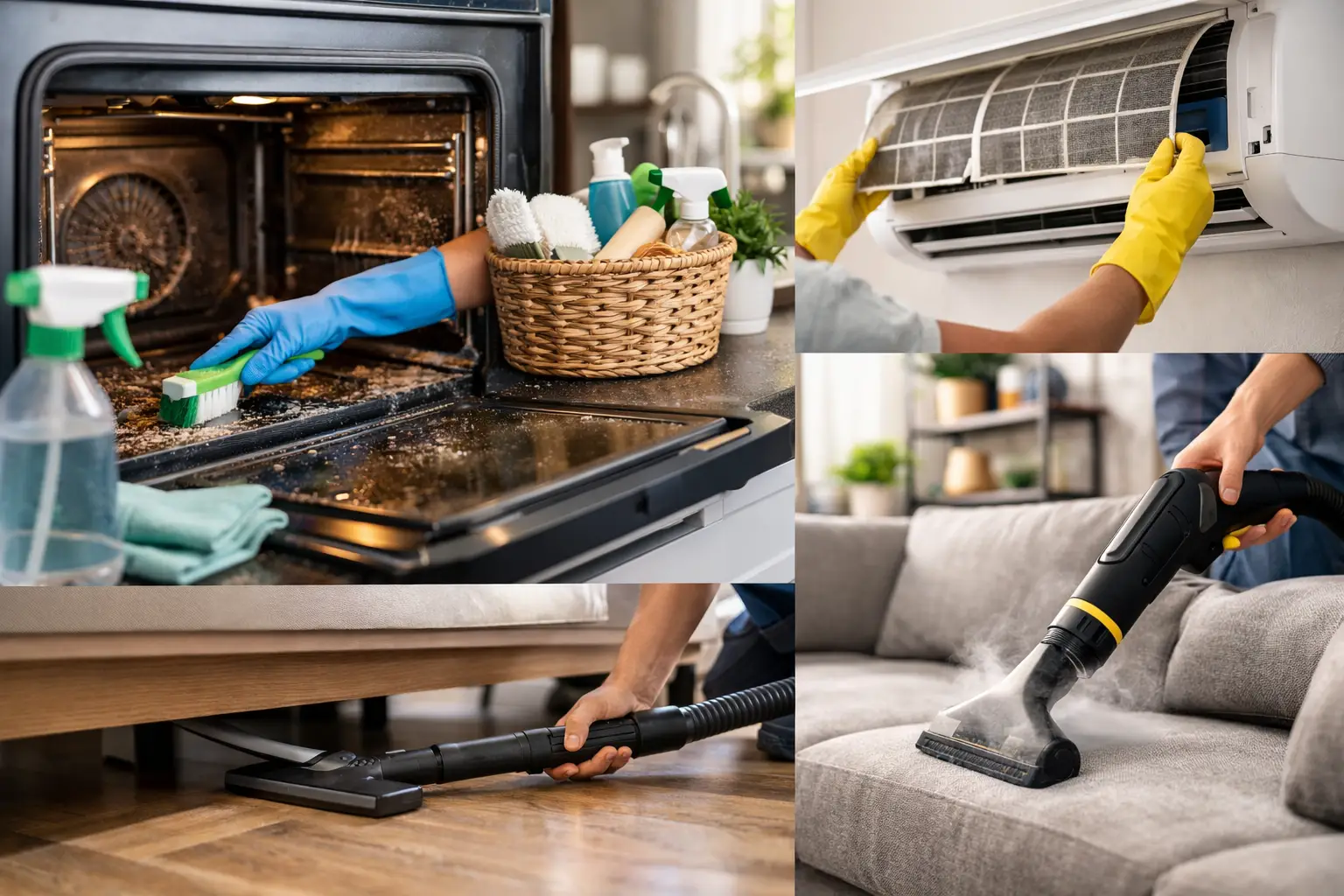
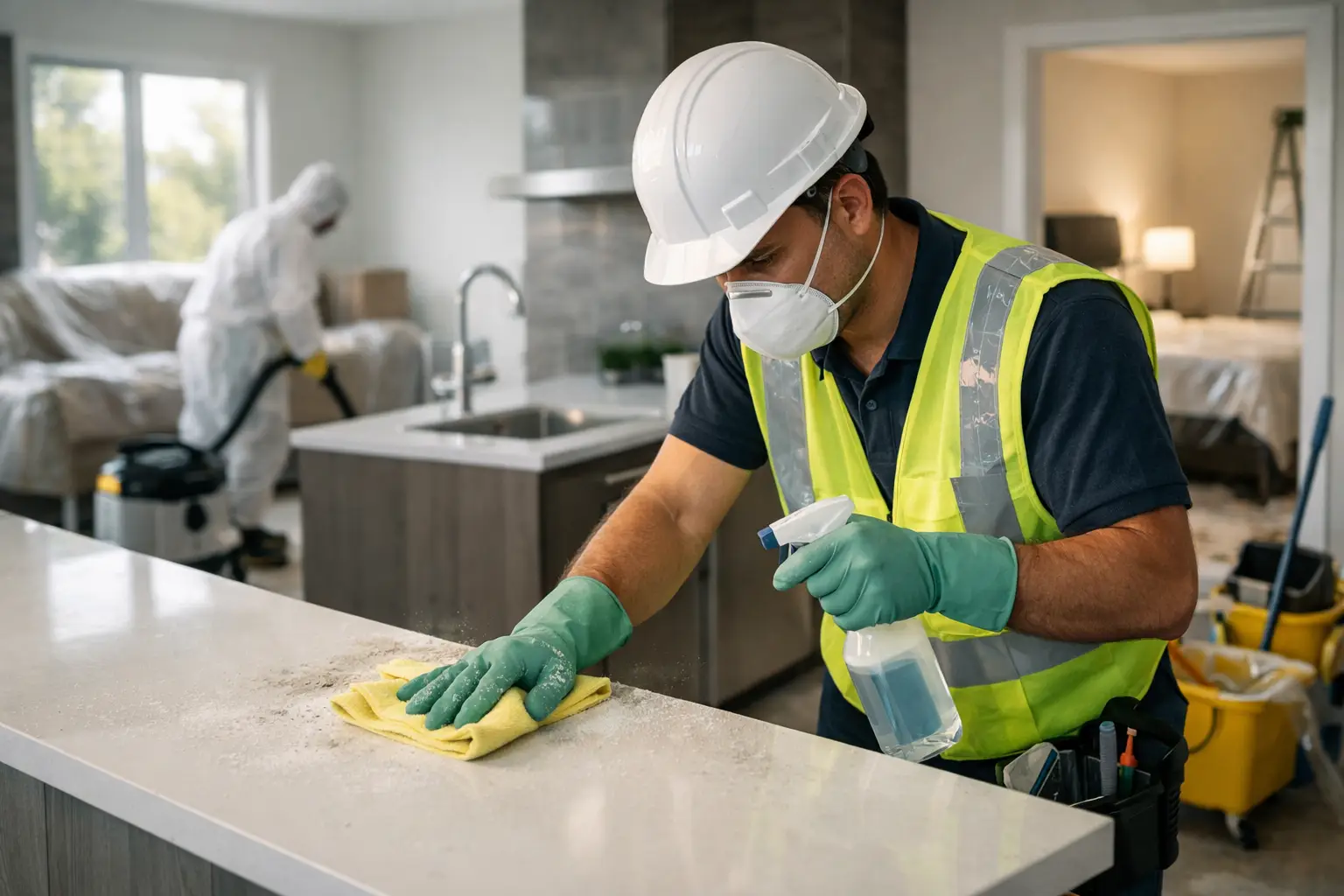
Carpet and upholstery cleaning can make a major difference in offices, waiting areas, and reception spaces where soft surfaces hold odors, dust, and visible wear. Deep cleaning is useful when a space has fallen behind, after seasonal traffic spikes, or before an important event. Post-renovation cleaning is a separate need entirely and should be treated that way, since dust and construction residue require more detailed work than standard janitorial visits.
Window and glass cleaning, appliance cleaning in staff kitchens, and pressure washing for exterior entries can also be part of a practical maintenance plan. The right mix depends on the type of property and the image you need to maintain. A retail location may prioritize floors and glass. A professional office may care more about desks, restrooms, and meeting rooms. Multi-unit properties may need common-area attention plus flexible service for turnovers or one-time projects.
What to look for in a cleaning company
Trust matters because cleaning is not just a task. It is access to your property, your work environment, and often your schedule. That is why insured, trained cleaners are worth prioritizing. You want a company that can follow a clear scope, communicate well, and show up reliably.
It also helps when the provider uses visible checklists or structured service tiers. That makes expectations easier to understand from the start. If something needs to be adjusted, both sides can point to the same plan instead of arguing over assumptions.
Flexible scheduling is another sign of a service-minded company. Businesses change. Staffing levels shift, events come up, and some seasons create more mess than others. A cleaning company should be able to respond without turning every change into a problem.
For local businesses in Hamilton, working with a company that understands the pace and needs of area offices and commercial properties can make coordination easier. Get It Done Cleaning Services, for example, focuses on practical scope, dependable service, and detailed execution, which is exactly what many businesses need when they are trying to simplify property upkeep rather than micromanage it.
When a custom plan makes the most sense
Not every business needs daily service. Not every business can get by with weekly service either. The right plan depends on traffic, layout, industry expectations, and how much in-house tidying your team is realistically able to do.
A custom plan makes sense when your needs are uneven across the property. Maybe the front office needs frequent attention, but private rooms do not. Maybe the restrooms and breakroom need recurring service, while carpet care can be scheduled monthly or quarterly. Maybe you need routine cleaning plus occasional project-based support for move-ins, renovations, or seasonal resets.
That kind of flexibility usually gives better value than paying for a generic package that over-serves one area and under-serves another. Good commercial cleaning solutions should fit your building, your budget, and your standards without making the process harder than it needs to be.
A clean business space should not depend on constant reminders or last-minute fixes. When the service is well matched to the property, the whole place feels easier to run, and that is usually the point where cleaning stops being a problem and starts being one less thing to think about.