A spotless lobby at 8 a.m. says something before your team even speaks. So does a smudged glass door, dusty reception desk, or restroom that clearly got skipped. For many businesses, commercial cleaning services are not just about appearance. They affect employee comfort, customer trust, and how much time managers spend dealing with cleaning problems instead of running the business.
The right cleaning setup should make your day easier, not add another layer of follow-up. That is why business owners and property managers usually look for more than a low price. They want consistency, clear scope, flexible scheduling, and a crew they can trust to do the job properly every visit.
What commercial cleaning services actually cover
Commercial cleaning services can mean very different things depending on the building, traffic level, and type of work being done in the space. A small office with five employees does not need the same service plan as a retail store, medical-adjacent facility, or multi-tenant property.
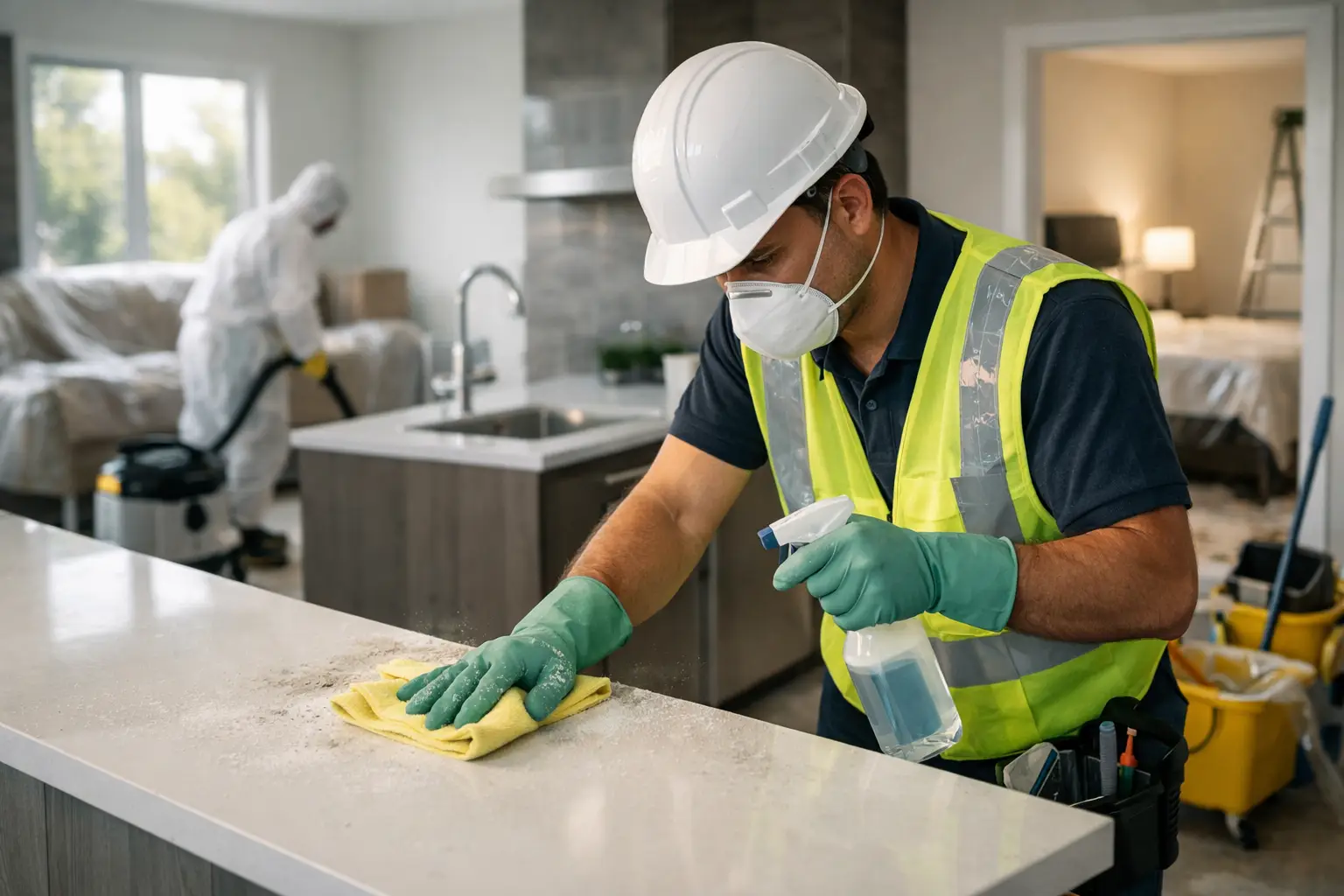
In most professional settings, routine service includes the basics that keep the space presentable and sanitary. That often means vacuuming carpets, mopping hard floors, dusting work surfaces, wiping down touchpoints, emptying trash, cleaning restrooms, and tidying breakrooms or shared kitchens. For some businesses, those tasks are enough on a recurring schedule.
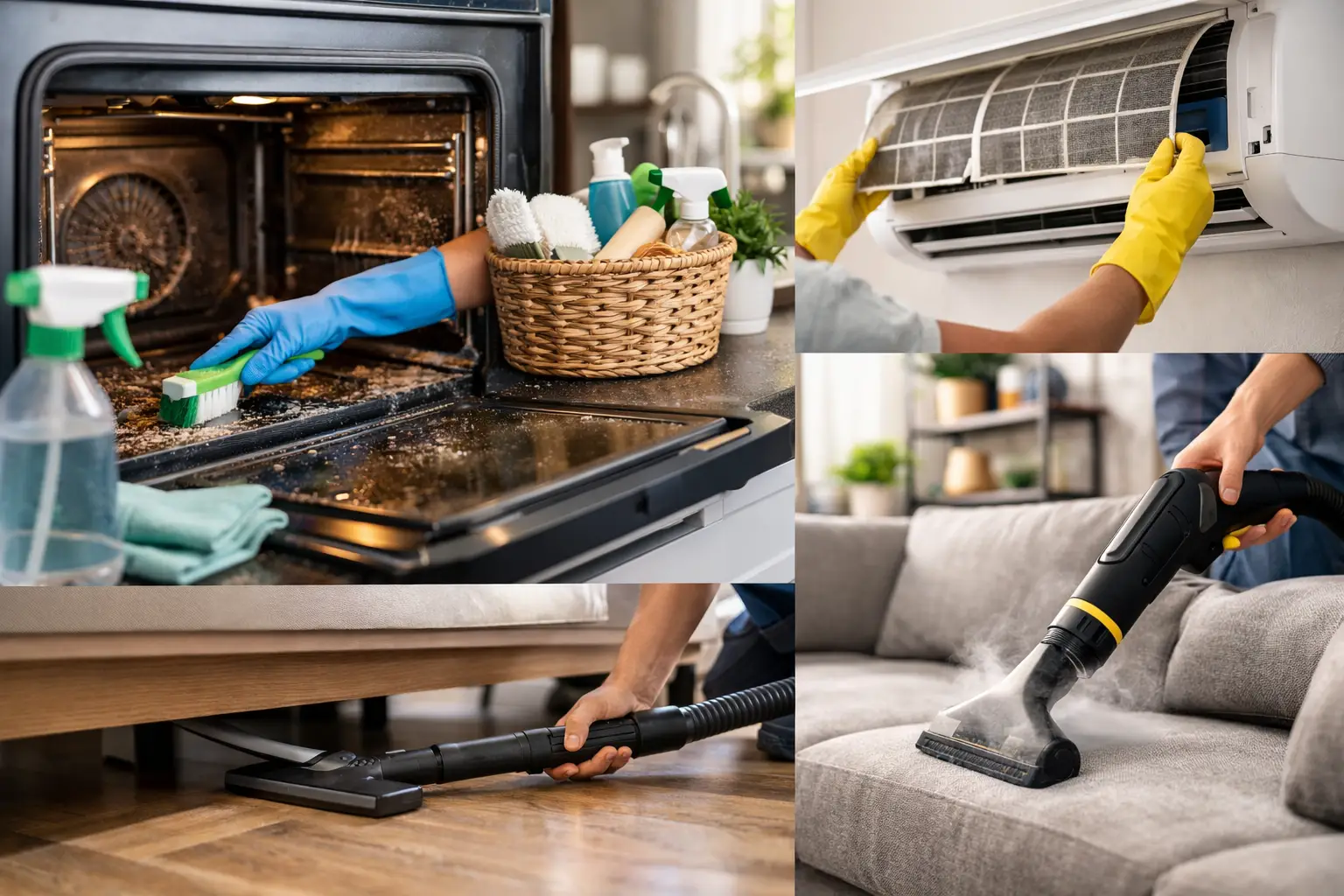
Other spaces need more detailed support. That may include carpet and upholstery cleaning, interior glass cleaning, post-renovation cleanup, appliance cleaning in staff kitchens, or pressure washing for exterior surfaces. If your business has higher foot traffic, frequent client visits, or stricter cleanliness expectations, those add-on services stop being optional and start becoming part of normal maintenance.
The key is having a scope that matches real use of the space. Overbuying service wastes money. Underbuying service usually shows up fast in odors, dust buildup, stained floors, and complaints from staff or visitors.
Why businesses invest in recurring commercial cleaning services
Most companies are not hiring cleaners because they enjoy outsourcing one more task. They do it because in-house cleaning often becomes inconsistent. Someone empties the trash but ignores the baseboards. Restrooms get a quick wipe but never a proper deep clean. Shared spaces slowly decline because no one owns the work.
Recurring commercial cleaning services solve that problem by creating a routine. Instead of reacting when the office looks bad, you maintain the space before issues pile up. That matters for image, but it also matters for hygiene and wear. Dirt and grit break down flooring over time. Neglected restrooms create stronger odors and a worse impression. Dusty surfaces and overlooked touchpoints make the workplace feel less cared for.
There is also a management benefit. When the cleaning scope is clearly defined and handled by trained, insured professionals, business owners do not have to spend time assigning chores, checking supply closets, or following up on missed tasks. A reliable service turns cleaning from a recurring hassle into a scheduled operating function.
How to know what your business really needs
The best cleaning plan starts with honest use patterns, not guesses. Frequency depends on how many people use the space, what they do there, and how visible the results are to customers.
An office that sees employees Monday through Friday may do well with service two or three times a week. A customer-facing business with daily traffic may need nightly cleaning to stay ahead of restroom use, tracked-in dirt, and fingerprints on doors and glass. A property manager handling turnovers, renovations, or vacancy prep may need one-time project cleaning rather than ongoing visits.
It also helps to think in zones. Restrooms, entrances, and breakrooms usually need the most attention because they collect the most traffic and the most obvious mess. Private offices and conference rooms may need less frequent deep detail, but they still benefit from routine dusting and floor care.
A good provider will not force every client into the same package. They should ask practical questions, walk the space, and recommend a schedule based on what the building actually demands.
What to look for in a commercial cleaning provider
Trust matters more in commercial cleaning than many businesses expect at first. Cleaners often work after hours, around equipment, documents, inventory, and private work areas. That means reliability is not a bonus. It is the baseline.
Look for a company with trained and insured cleaners, a clear checklist, and a straightforward process for handling feedback. If the service scope is vague, the results usually are too. You should know what gets cleaned each visit, what counts as a deep cleaning task, and what services are available as add-ons.
Eco-friendly products are also worth asking about, especially in offices where employees spend long hours indoors. Strong chemical odors can be disruptive, and some surfaces need more thoughtful product selection to avoid damage. Safer, effective products can support a healthier workspace without sacrificing results.
Flexibility matters too. Businesses change. Staffing grows, traffic patterns shift, renovations happen, and seasonal messes increase. A dependable cleaning company should be able to adjust the plan without turning every update into a problem.
The trade-off between price and consistency
Every business wants value, but the cheapest quote is not always the lowest-cost option over time. If a provider cuts corners, skips details, or changes staff constantly, you may end up paying in complaints, callbacks, and a workplace that never quite feels clean.
That does not mean the most expensive service is automatically better. It means the value comes from clear scope, dependable execution, and service that fits your building. Sometimes a modest recurring plan with periodic deep cleaning does more for your budget than paying for frequent full-service visits you do not need.
This is where transparency makes a difference. A professional company should explain what is included, what affects pricing, and where adjustments may be needed. That kind of clarity helps business owners make a practical decision instead of comparing numbers that are not based on the same level of work.
When deep cleaning should be part of the plan
Routine maintenance keeps a space under control, but it does not replace deep cleaning. Over time, edges collect dust, carpets hold embedded dirt, upholstery traps odors, and areas behind or under furniture get ignored. Even a well-maintained office benefits from occasional detailed service.
Deep cleaning is especially useful before a busy season, after construction work, during a tenant transition, or when a business is trying to reset standards after inconsistent upkeep. It can also be the right starting point for a new recurring plan. If the space has been under-cleaned for months, jumping straight into light maintenance may leave it looking only partially improved.
For many businesses, the best approach is a combination. Regular service handles day-to-day cleanliness, and scheduled deep cleaning tackles buildup before it becomes visible or harder to remove.
A cleaner workplace is easier to manage
Cleanliness affects more than appearance. Employees notice when restrooms are stocked and sanitized, floors are clean, and shared spaces feel cared for. Customers notice when the front entrance, waiting area, and glass surfaces look maintained. Property managers notice when turnovers go smoother and fewer issues come up during inspections.
That is the real value of commercial cleaning services. They support the experience people have inside your space while reducing the time and energy you spend trying to keep everything under control. In a busy local business, that kind of support matters.
For companies that want dependable results, it helps to work with a team that treats cleaning like a system, not an afterthought. Get It Done Cleaning Services takes that approach with clear service expectations, flexible scheduling, and detailed care that helps businesses stay ready for staff, customers, and everyday use.
If your workspace is starting to feel harder to maintain than it should, that is usually the sign to stop patching the problem and put a real cleaning plan in place.