
A renovation can leave a room looking brand new while feeling anything but ready to use. Fine drywall dust settles inside cabinets, sawdust collects along baseboards, and adhesive residue can dull the finish on new fixtures. Post renovation cleaning Hamilton homeowners schedule is the detailed final step that turns an active job site into a comfortable, healthy space.
Whether you have completed a kitchen upgrade, basement finish, bathroom remodel, office refresh, or full-property renovation, cleanup needs more than a quick sweep and vacuum. Construction debris travels farther than most people expect, especially through vents, door gaps, and open work areas. A professional cleaning plan gives your new surfaces the careful attention they need without creating extra work for you.
Why Renovation Dust Needs More Than a Basic Clean
The dust left after construction is different from everyday household dust. Drywall compound, wood particles, grout haze, insulation fibers, and other fine materials can settle repeatedly for days if they are not removed correctly. Wiping too quickly or using the wrong cloth can simply push that dust into the air or scratch fresh finishes.
This matters most in the places you do not immediately see. Inside drawers, on top of trim, behind appliances, in closet corners, and around window tracks are common hiding spots. Dust can also settle on upholstered furniture, blinds, and air vents outside the renovated room. For households with children, pets, allergies, or respiratory sensitivities, a thorough cleanup can make the return to normal life much more comfortable.
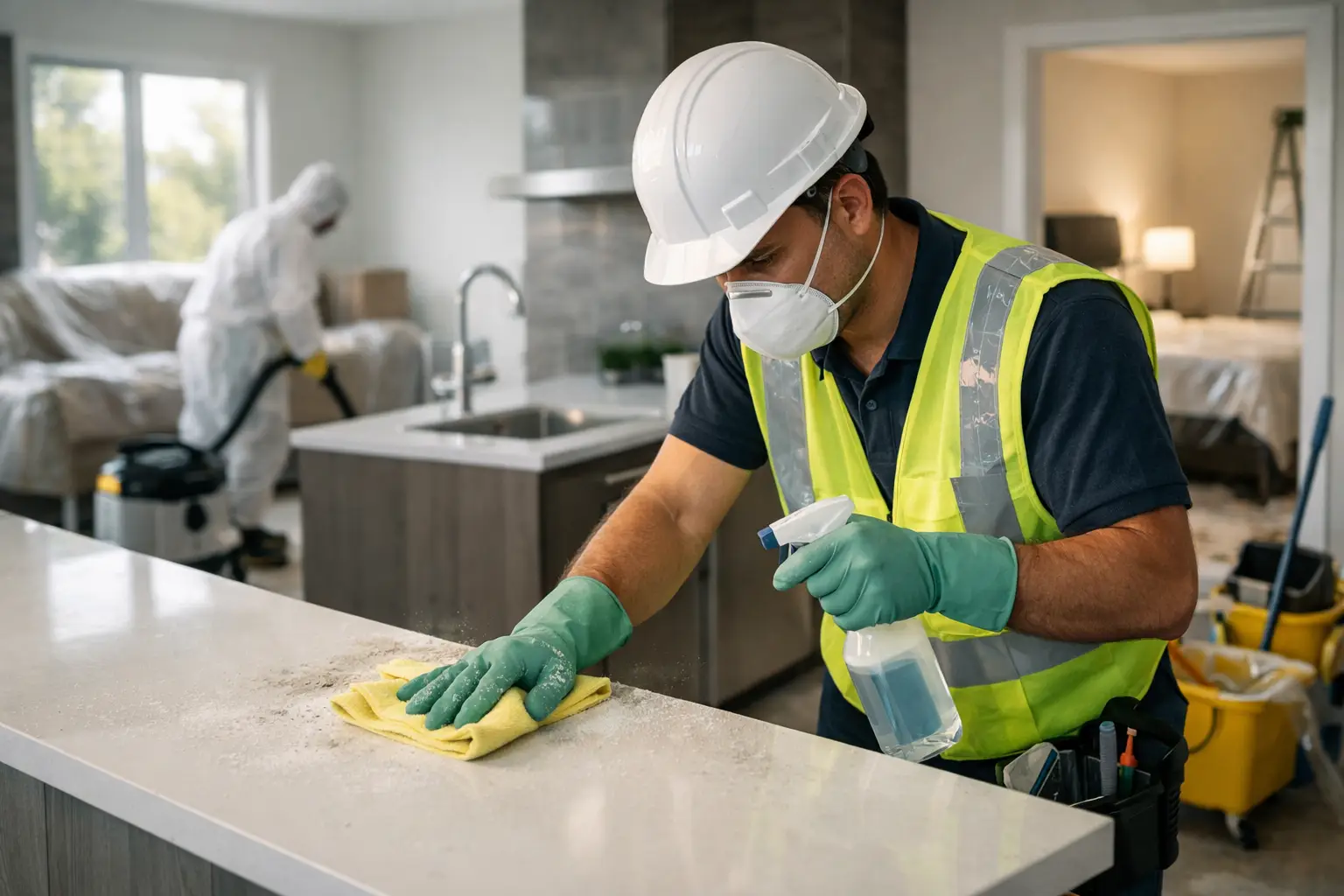
A detailed post-construction cleaning service works from high to low. Cleaners remove loose debris first, then address fine dust on ledges, walls, fixtures, floors, and touchpoints. That order helps prevent already-cleaned surfaces from being covered again as the work continues.
What Post Renovation Cleaning in Hamilton Should Include
The right scope depends on the size of the project, how contained the work area was, and whether contractors have already completed their own rough cleanup. A small bathroom renovation may need intensive dust removal and floor care. A whole-home project may require room-by-room cleaning, interior cabinet detailing, appliance cleaning, and attention to areas beyond the construction zone.
A professional visit should start with a clear understanding of the condition of the space. At Get It Done Cleaning Services, the focus is on visible, detailed results and a service scope that matches the project instead of treating every renovation like the same job.
A thorough post-renovation cleaning commonly includes:
- Removal of leftover non-hazardous debris, packaging, dust, and loose dirt from accessible areas.
- Detailed dusting and wiping of baseboards, trim, doors, ledges, light fixtures, vents, switches, and other finished surfaces.
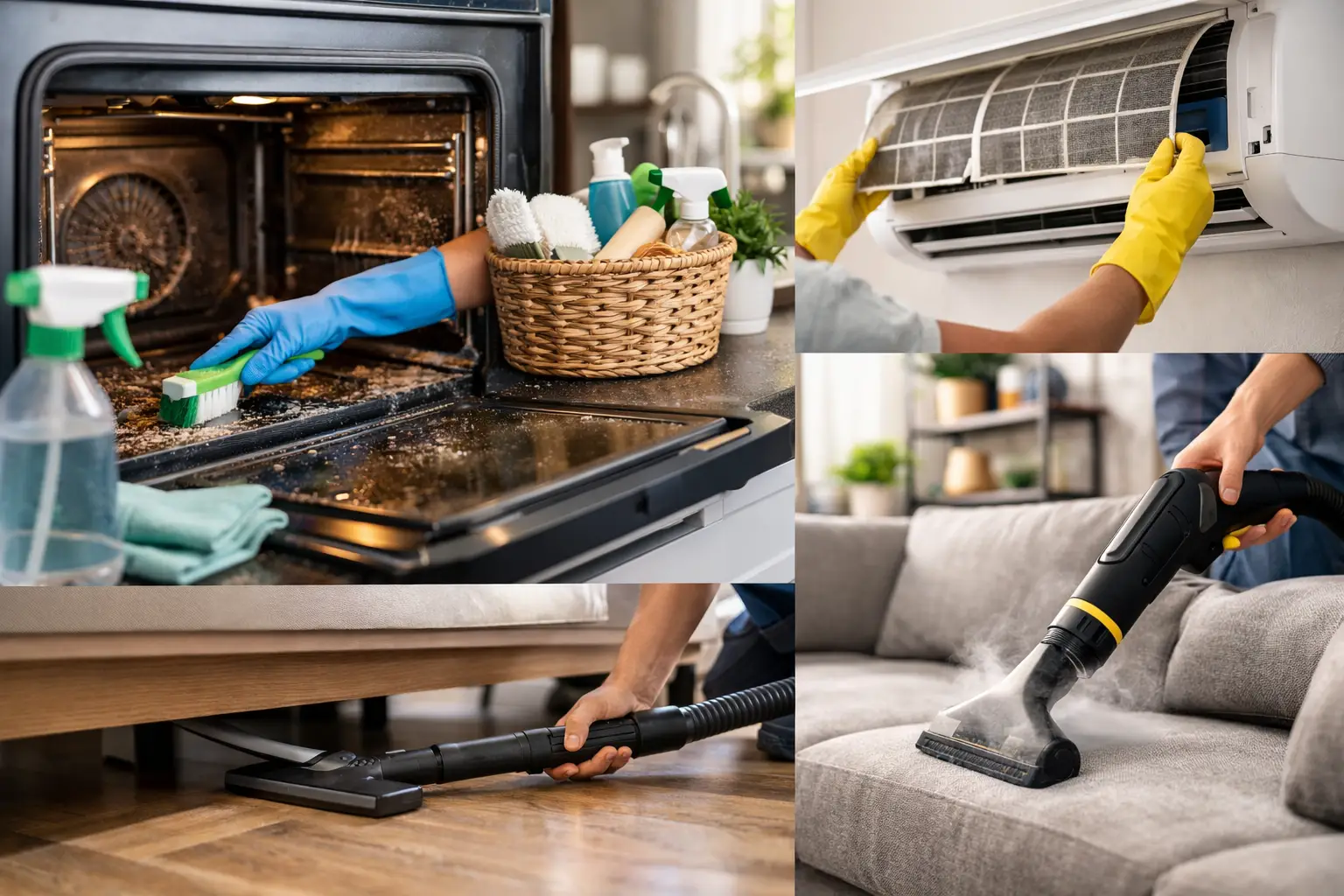
- Cleaning inside accessible cabinets, drawers, closets, and shelving where construction dust often settles.
- Vacuuming and mopping appropriate floor surfaces, plus cleaning glass, mirrors, sinks, toilets, counters, and other final touchpoints.
The exact work can change based on materials and condition. Newly installed hardwood, natural stone, specialty tile, and delicate fixtures may require specific cleaning products or methods. A dependable cleaning team will take those surface considerations seriously rather than using a one-product approach across the entire home.
The Areas Homeowners Most Often Miss
It is easy to focus on the new countertop, shower, flooring, or paint color. The less obvious areas are usually where post-renovation dust makes itself known later. Cabinet tops and interiors are a major one, particularly when installers have been cutting materials nearby. Window sills and tracks also collect a surprising amount of grit.
Ceiling fans, vents, blinds, door frames, and the tops of refrigerators or tall cabinets can hold fine dust that falls back into the room long after cleanup. If furniture remained in the home during work, it may need careful vacuuming or upholstery cleaning as well. Dust in fabric is not always visible, but it can affect the freshness of the room.
Bathrooms and kitchens deserve special attention because they combine renovation residue with surfaces people use every day. Grout haze, caulk smears, fingerprints on fixtures, labels on appliances, and dust inside drawers can make a completed project feel unfinished. Careful final detailing is what gives these spaces their clean, move-in-ready finish.
When to Schedule the Cleaning
The best time is after contractors have completed the work, removed major waste, and finished any sanding, cutting, painting, or touch-up tasks. Scheduling too early can mean dust returns before you have a chance to enjoy the space. If trades are still moving tools and materials through the area, it is often better to wait until the final workday is complete.
For larger renovations, it can make sense to plan two stages. The first is a rough cleanup after major construction, which helps clear debris and makes final inspections easier. The second is a detailed cleaning once all work has stopped. This approach is especially helpful for property managers, landlords, and business owners working toward a turnover date or reopening deadline.
If you are moving into the renovated space immediately, book as far ahead as possible. A scheduled cleaning appointment gives you one less moving part to manage while you coordinate contractors, deliveries, furniture, and keys.
Can You Clean Up After a Renovation Yourself?
You can handle light cleanup after a small project, particularly when the work was contained and contractors left the area in good condition. A careful homeowner can remove packaging, wipe accessible surfaces, vacuum thoroughly, and mop floors using products suited to the materials.
The trade-off is time and reach. Fine dust requires repeated, methodical cleaning, and large projects can take far longer than expected. You may also need equipment that safely captures dust rather than redistributing it. Cleaning tall fixtures, interior cabinets, blinds, and multiple rooms while protecting newly finished surfaces can quickly become a full weekend project.
Professional cleaning is often the practical choice when the renovation was extensive, the property is being prepared for tenants or buyers, or your schedule is already full. Insured, trained cleaners bring a structured process and can focus on details that are easy to overlook when you are tired of managing the project.
Preparing Your Space for a Better Result
A little preparation helps the cleaning team work efficiently. Ask contractors to remove their tools, large waste, nails, sharp materials, and hazardous substances before the appointment. Paint cans, solvents, silica dust, mold, asbestos-containing materials, and other specialized hazards require proper handling and are not part of standard cleaning.
If possible, make sure utilities are on and that the team can access water, power, and the rooms that need attention. Let cleaners know about delicate finishes, newly cured surfaces, areas that should not be touched, and any concerns such as pet access or parking. Clear communication makes it easier to protect your investment and tailor the service to the space.
You may also want to replace or inspect HVAC filters after a dusty project. Cleaning visible vents is helpful, but a filter that has collected renovation dust can continue circulating particles. For extensive duct contamination, ask a qualified HVAC provider about the appropriate next step.
Choosing a Cleaning Team You Can Trust
Post-renovation cleaning is not only about making floors shine. It is about caring for the details of a space you have spent time and money improving. Look for a company that explains what is included, uses surface-appropriate and eco-conscious products, carries insurance, and is willing to discuss the condition of your property before service.
Price matters, but the lowest quote is not always the best value if it leaves behind cabinet dust, residue on fixtures, or extra work for you. A clear checklist and realistic time estimate are stronger signs that the service is designed for the actual condition of the space. For commercial properties, confirm whether cleaning can be scheduled around business hours and opening deadlines.
Your renovation should end with the feeling that everything is finally in its place. Once the tools, dust, and debris are gone, a carefully cleaned space is ready for the part that matters most: being lived in, worked in, and enjoyed.