A pet can be freshly groomed, the floors can look clean, and the house can still have that lingering smell when you walk in after being away. Learning how to remove pet odors means treating the source, not covering it with fragrance. Urine, dander, saliva, damp fur, and litter dust can settle into soft surfaces and hard-to-reach areas, where ordinary surface cleaning may not reach.
The good news is that most pet odors can be improved with a consistent approach. The right method depends on where the odor is coming from, how long it has been there, and whether it has soaked below the surface. Start with the areas your pet uses most, then work outward before the odor has a chance to spread.
Find the Source Before You Start Cleaning
Pet odor is often strongest in places that do not look visibly dirty. Carpets can hold old accidents deep in the padding. Upholstered furniture can absorb body oils and fur. Pet beds, blankets, and favorite corners may carry a concentrated odor that transfers back into the room after everything else has been cleaned.
Use your nose at floor level and check around furniture legs, baseboards, doorways, litter boxes, crates, and pet bedding. Look for discoloration, sticky spots, or areas where your pet repeatedly sniffs or returns. A UV flashlight can help identify dried urine stains that are difficult to see in normal lighting, although it may also reveal other household residue.
If the smell becomes stronger when the air is humid or after steam cleaning, that usually means odor-causing residue is still trapped in the material. Deodorizing sprays may make the room smell better for a few hours, but they will not solve the problem if the underlying residue remains.
How to Remove Pet Odors From Carpets and Rugs
Carpet is one of the most common odor problems in pet-friendly homes because liquid can travel below the fibers and into the backing or pad. The faster you act on a fresh accident, the better the result.
For a new urine spot, blot first with clean, absorbent towels. Press firmly rather than scrubbing, which can push moisture deeper and spread the stain. Continue until the towels are coming up mostly dry. Then apply an enzyme-based pet cleaner according to the label directions. Enzyme cleaners are designed to break down the organic material that creates the odor, rather than simply masking it.
Give the product enough contact time to work. This is where many cleanups fall short. If the urine soaked through the carpet, the cleaner needs to reach a similar depth. Avoid soaking the area excessively, especially on wood subfloors, but do not use such a small amount that it only cleans the carpet surface.
Once the area has dried, reassess it before applying any fragrance or carpet powder. If an odor remains, repeat the treatment. Older stains may need more than one application, particularly in high-traffic areas or where a pet has returned to the same location.
For larger areas, professional carpet cleaning can provide a more complete reset. Hot-water extraction and targeted odor treatment can remove embedded soil, hair, and residue across the room. However, if urine has saturated the carpet pad or reached the subfloor repeatedly, cleaning the carpet alone may not be enough. In severe cases, the pad may need replacement and the subfloor may require sealing after it is fully cleaned and dry.
Clean Upholstery, Pet Beds, and Washable Fabrics
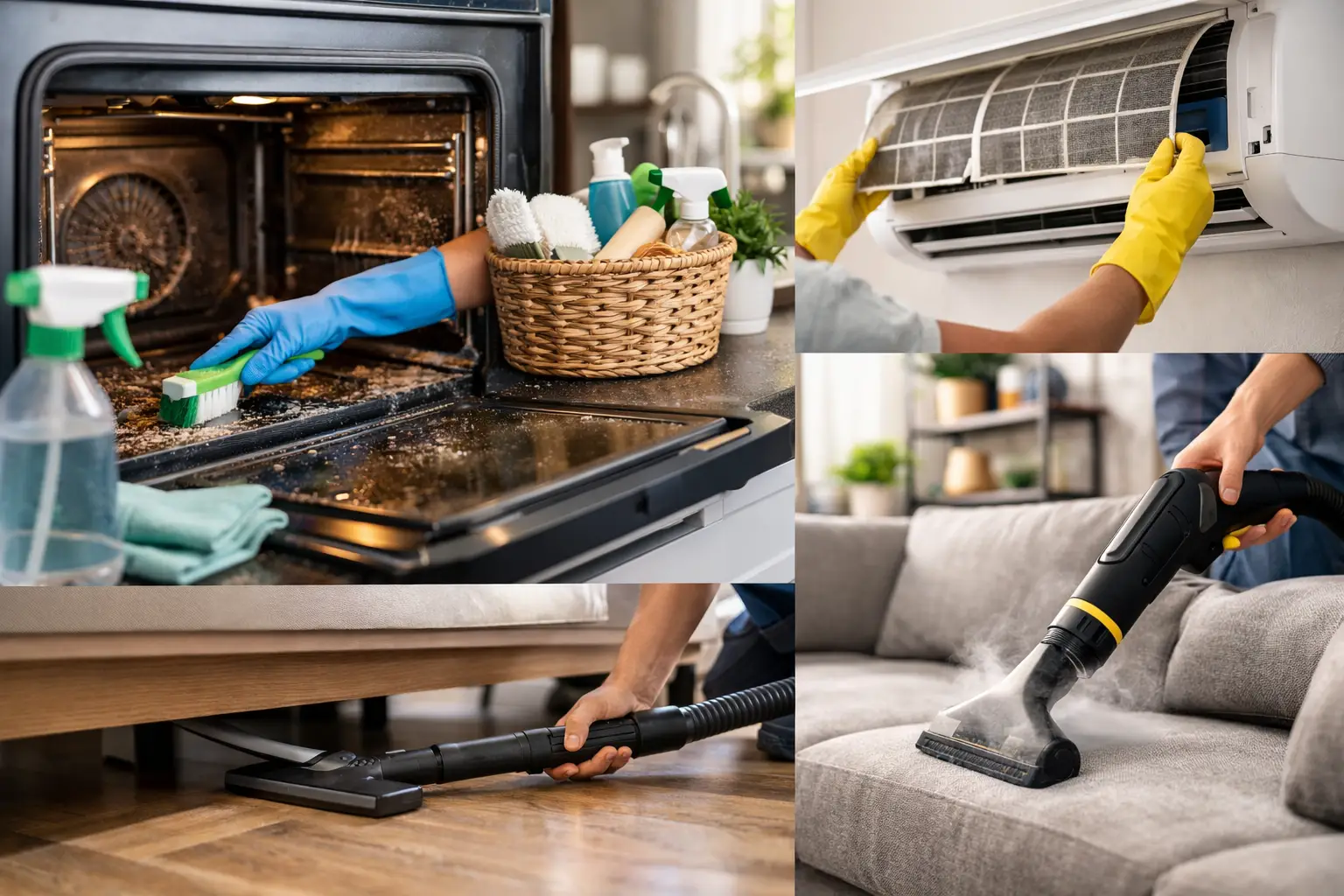
Couches, chairs, mattresses, and fabric headboards can quietly hold pet odor, especially if pets are allowed on the furniture. Start by vacuuming thoroughly with an upholstery attachment. Go under cushions, along seams, and behind the furniture where fur and dander collect.
Check the furniture tag before using a cleaner. Some fabrics can handle water-based products, while others need solvent-based care or professional cleaning. Test any cleaning solution in an inconspicuous area first. A strong product is not a better product if it leaves a water ring, faded color, or stiff fabric behind.
For washable pet beds, throws, and blankets, shake out loose hair outdoors and wash them regularly using the warmest water permitted by the care label. Use a pet-safe laundry detergent and make sure the items dry completely. Damp fabric is a common reason a “clean” pet bed still smells unpleasant.
Do not forget washable covers, crate liners, and the removable covers on decorative pillows. If your pet sleeps on these items often, putting them on a regular cleaning schedule makes odor control much easier than waiting until the smell is obvious.
Tackle Litter Box and Pet Area Odors
A clean litter box area has a major effect on the overall smell of a home. Scoop waste daily, replace litter as needed, and wash the box with mild soap and warm water during full litter changes. Avoid heavily scented products that may bother sensitive pets or encourage them to avoid the box.
The floor and wall behind the litter box deserve attention, too. Fine litter dust, tracking, and occasional misses can collect around the perimeter. Vacuum or sweep the area frequently, then clean the floor with a pet-safe product appropriate for the surface. Washable litter mats should be cleaned regularly, not just shaken out.
For dog crates, feeding stations, and indoor pet play areas, remove bowls, toys, mats, and loose hair before cleaning the surrounding floor. Wash hard, nonporous toys when appropriate and replace worn items that retain odor despite cleaning. A cracked plastic bowl or old foam bed may be holding more odor than it is worth.
Refresh Hard Floors Without Damaging Them
Hard floors are easier to clean than carpet, but they are not automatically odor-proof. Urine can seep into grout lines, gaps between floorboards, and the edges of laminate or vinyl flooring. Repeated moisture can also damage finishes and create a persistent smell beneath the visible surface.
Wipe fresh accidents promptly, then clean with a product that is safe for your specific flooring. Use only a lightly damp mop on hardwood and dry the area quickly. Avoid flooding wood floors or using harsh chemicals that can strip the finish. For tile floors, pay special attention to grout and the baseboards nearby, since both can hold residue.
If a hard-floor odor keeps returning, inspect the seams and corners closely. The problem may be below the floor surface, particularly if there has been repeated marking in the same place. A professional assessment can help determine whether deep cleaning, odor treatment, or a repair is the sensible next step.
Stop Odors From Building Back Up
The most effective odor-control plan is routine maintenance, not an occasional burst of cleaning. Vacuuming several times a week reduces fur, dander, and tracked-in dirt before they settle into carpet and upholstery. Grooming your pet regularly can also reduce the oils and loose hair that contribute to that familiar pet smell.
Keep your home ventilated when weather allows, and wash pet bedding on a predictable schedule. Empty litter waste daily, wipe feeding areas often, and address accidents immediately. If a pet begins having accidents after being reliably house-trained, consider speaking with a veterinarian. New behavior can sometimes point to a health issue, stress, or a change in routine.
Avoid relying on candles, plug-ins, or room sprays as your primary solution. They may be useful after cleaning, but heavy fragrance mixed with pet odor can make a room feel less fresh, not more. It is also wise to choose products carefully around animals, as some fragrances and essential oils can be irritating or unsafe for pets.
When It Is Time for Professional Help
A thorough home routine handles everyday pet odor well, but some situations need deeper service. Consider professional carpet or upholstery cleaning when odors return quickly after treatment, stains cover multiple areas, furniture has absorbed odor over time, or you are preparing a rental, home sale, or move.
For Hamilton households, Get It Done Cleaning Services can help with detailed carpet and upholstery cleaning when a standard clean is no longer delivering the fresh results you want. Professional equipment, targeted treatment, and careful attention to high-use areas can be especially helpful in busy homes with pets, children, and limited time.
A home does not need to smell like perfume to smell clean. When the source has been removed and the surfaces your pet uses most are maintained consistently, the result is a fresher space that feels comfortable for both your family and the animals that make it home.