If your kitchen looks decent but still feels grimy, or your office gets tidied weekly yet never seems truly fresh, the difference usually comes down to deep cleaning vs regular cleaning. Both services matter, but they solve different problems. Choosing the right one can save time, money, and a lot of frustration.
For most homes and businesses, regular cleaning is what keeps a space under control. Deep cleaning is what resets it. One is maintenance. The other is a more detailed service designed to tackle buildup, neglected areas, and the kind of dirt that does not disappear during a standard visit.
What regular cleaning is meant to do
Regular cleaning is built for upkeep. It handles the day-to-day mess that naturally returns in busy homes, apartments, offices, and shared spaces. Think dust on visible surfaces, bathroom wipe-downs, vacuuming, mopping, trash removal, and general straightening of key areas.
This type of service works best on a recurring schedule because it prevents dirt and clutter from getting ahead of you. Weekly, biweekly, or monthly visits help maintain a clean, comfortable environment without letting grime settle in for too long. For families with pets, professionals with packed schedules, and businesses that need a presentable space every day, regular cleaning is often the most practical choice.
What it does not usually do is address heavy buildup. If soap scum has been collecting for months, baseboards are coated in dust, or the inside of appliances needs attention, regular service is not always the right fit. That is not a flaw in the service. It is simply a different scope.
What deep cleaning is designed for
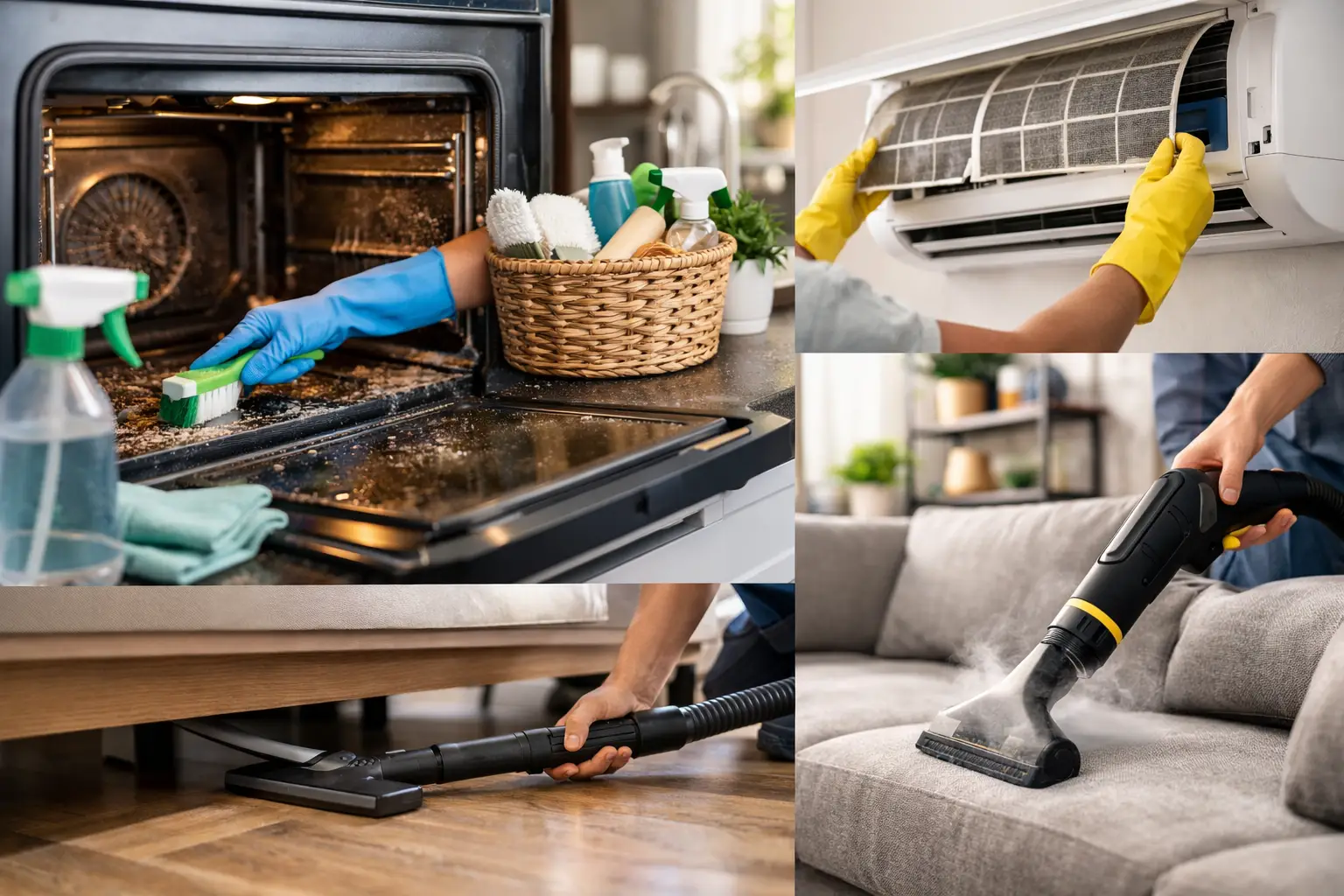
Deep cleaning goes beyond surface-level maintenance. It targets the places that are easy to miss during routine service and the grime that builds up over time even in well-kept spaces. That often includes detailed bathroom scrubbing, buildup removal around sinks and faucets, wiping baseboards, cleaning doors and trim, reaching behind or under furniture when accessible, and giving extra attention to high-touch and high-use areas.
In kitchens, a deep cleaning may involve degreasing more thoroughly, cleaning cabinet fronts in detail, wiping backsplash buildup, and focusing on areas around appliances where crumbs, grease, and dust collect. In a commercial setting, it may mean extra sanitizing, edge work, and attention to neglected corners, breakrooms, and restroom details.
A deep cleaning is often the right starting point when a space has gone a while without professional service. It is also common before beginning recurring cleaning, after a renovation, before hosting guests, after a move, or when seasonal buildup becomes too noticeable to ignore.
Deep cleaning vs regular cleaning: the real difference
The simplest way to compare deep cleaning vs regular cleaning is frequency and intensity. Regular cleaning is ongoing maintenance. Deep cleaning is a more intensive service performed less often or at important transition points.
Regular cleaning focuses on what keeps a space looking neat and functioning well week after week. Deep cleaning focuses on restoring detail, removing buildup, and improving overall freshness in areas that routine visits may only touch lightly or not at all.
The time involved is usually different too. A deep cleaning generally takes longer because it requires more detailed work. That also means it often costs more than regular cleaning. For many customers, though, it is money well spent because it creates a cleaner baseline. Once that baseline is in place, recurring cleaning becomes more effective and easier to maintain.
When regular cleaning is the better choice
If your home or workplace is already in reasonably good shape, regular cleaning is usually the smarter option. It keeps the essentials covered and prevents small messes from becoming bigger problems. This is especially helpful for households with children, pets, or busy work schedules where surfaces, floors, and bathrooms need constant attention.
For offices and local businesses, regular cleaning supports appearance and sanitation without overcomplicating the process. A consistent service plan helps maintain a professional setting for staff and visitors while reducing the burden on your team.
Regular cleaning also makes sense if your main goal is convenience. Many customers do not need every detail addressed every visit. They need reliable help with the tasks that keep life manageable.
When deep cleaning makes more sense
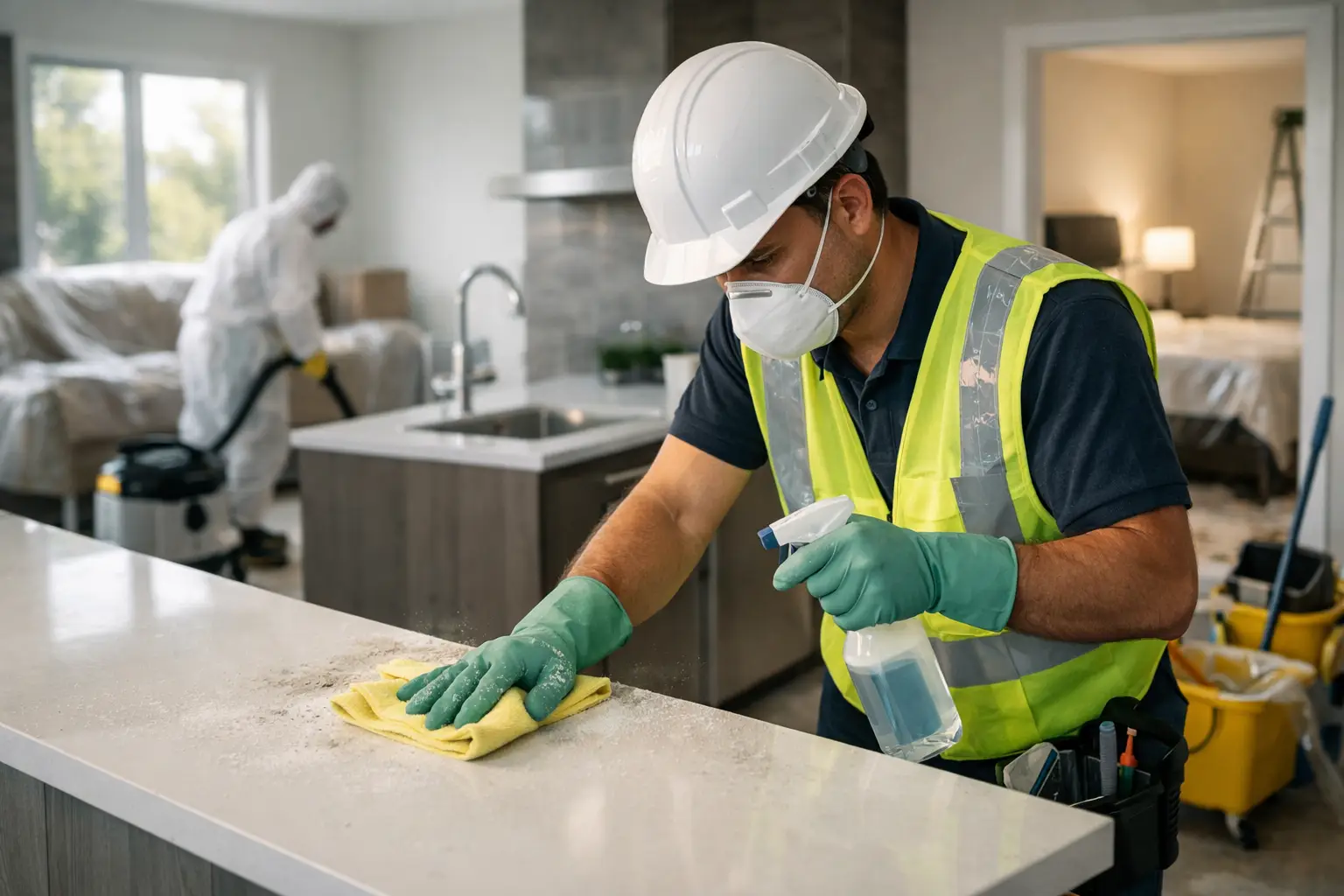
Deep cleaning is usually the better choice when a space has visible buildup, has not been professionally cleaned in a while, or needs a fresh start. That includes move-in and move-out situations, post-renovation cleanup, seasonal resets, and homes or offices where regular maintenance has fallen behind.
It is also worth considering for health and comfort reasons. Dust accumulation, grime in bathrooms, food residue in kitchens, and dirt around neglected edges can affect how clean a space feels, even if the obvious surfaces have been wiped down. A deeper service helps remove what routine upkeep often leaves behind.
For landlords, property managers, and business owners, deep cleaning can be especially useful before turning over a property or preparing for inspections, showings, or reopening after construction or heavy use. In those cases, details matter because people notice them right away.
Why many customers need both
It is not always deep cleaning or regular cleaning. Often, the best plan is both, just at different times. A deep cleaning gets the space to a higher standard, and regular cleaning helps keep it there.
This approach is especially effective in homes with a lot of daily activity or businesses with steady foot traffic. Without an occasional deeper reset, even a consistently cleaned space can slowly develop buildup in corners, grout lines, trim, vents, and around fixtures. Without regular maintenance, a deep clean wears off faster than most people expect.
That is why many professional cleaning companies recommend starting with a deep clean for first-time service, then moving to a recurring schedule. It creates better results and more predictable upkeep.
What to ask before booking either service
Not all cleaning companies define these services the same way, so clarity matters. Before booking, ask what is included, what is considered an add-on, and whether the team uses a checklist. That helps avoid mismatched expectations.
It is also smart to mention the current condition of the space. A home that has not been cleaned in months may need more than standard recurring service. The same goes for a commercial space with heavy restroom use, renovation dust, or neglected floors. The more specific you are upfront, the more accurate the service recommendation will be.
If eco-friendly products, insured cleaners, or flexible scheduling matter to you, ask about those too. For many customers, trust is just as important as the cleaning itself.
How to decide what your space needs right now
A simple test is to look beyond the obvious surfaces. If your counters are clear and floors are vacuumed, but the room still feels dirty, you may be dealing with hidden buildup rather than daily mess. That points toward deep cleaning.
If things generally look clean but you struggle to keep up with dust, bathrooms, floors, and kitchen upkeep each week, regular cleaning is probably the better fit. If both descriptions sound familiar, starting with a deep clean and following with recurring service is usually the most cost-effective route.
For customers in Hamilton, that choice often comes down to time and timing. A busy family may need recurring help to stay on top of daily life. A renter preparing to move may need a one-time deep clean with more detailed attention. A business may need routine service most of the year and a deeper reset once in a while.
Get It Done Cleaning Services works with exactly those real-life situations, which is why clear service scope matters. The right cleaning plan should feel practical, not confusing.
The better service is the one that matches the problem
There is no trophy for booking the more intensive option if your space only needs maintenance. And there is no point paying for regular cleaning alone if buildup has already taken over the details. The better service is the one that matches the actual condition of your home or workplace.
A clean space should feel easier to live in, easier to work in, and easier to maintain. If you are choosing between deep cleaning and regular cleaning, start by asking one honest question: do you need upkeep, or do you need a reset? That answer usually makes the decision a lot simpler.