The conference table may look clean at 9 a.m., but it can collect fingerprints, food residue, respiratory droplets, and shared-device germs before the day is over. The best office sanitation practices focus on the surfaces people touch most, the routines employees can realistically follow, and the professional support needed to keep standards consistent.
A clean office is not just about appearance. It helps employees feel comfortable at work, gives visitors confidence in your business, and reduces the buildup of dirt and germs in shared spaces. The right plan is practical, repeatable, and adjusted to the size of your office, the number of people using it, and the type of work being done there.
Best Office Sanitation Practices Start With Clear Standards
Sanitation works best when everyone knows what “clean” means in your workplace. A desk that is free of visible crumbs is clean. A frequently touched desk phone that has been properly treated with an approved product is sanitized. Some situations, such as illness outbreaks or contamination in a restroom, may also require disinfection.
These terms are often used interchangeably, but they involve different levels of care. Cleaning removes soil, dust, and debris. Sanitizing reduces germs to safer levels. Disinfecting uses a product designed to kill or inactivate a broader range of germs on hard, nonporous surfaces. In most offices, cleaning and sanitizing on a regular schedule is the foundation, while disinfection should be used where it is appropriate and according to the product label.
Set standards by area instead of relying on vague instructions like “wipe things down.” Define which surfaces are handled daily, which are serviced weekly, and who is responsible for each task. A visible checklist in the janitorial closet or staff area makes expectations easier to maintain, especially when schedules change.
Build a Schedule Around Traffic, Not Guesswork
An office with six people who work mostly independently needs a different routine than a busy reception area with clients arriving all day. High-traffic areas should be serviced more often because germs, spills, and visible mess build up faster there.
Restrooms, break rooms, reception counters, entrances, and shared workstations generally need daily attention. During busy periods, restrooms and break rooms may need a second check for soap, paper products, trash, and spills. Low-traffic storage rooms or private offices can often be cleaned less frequently, provided they are still included in a regular rotation.
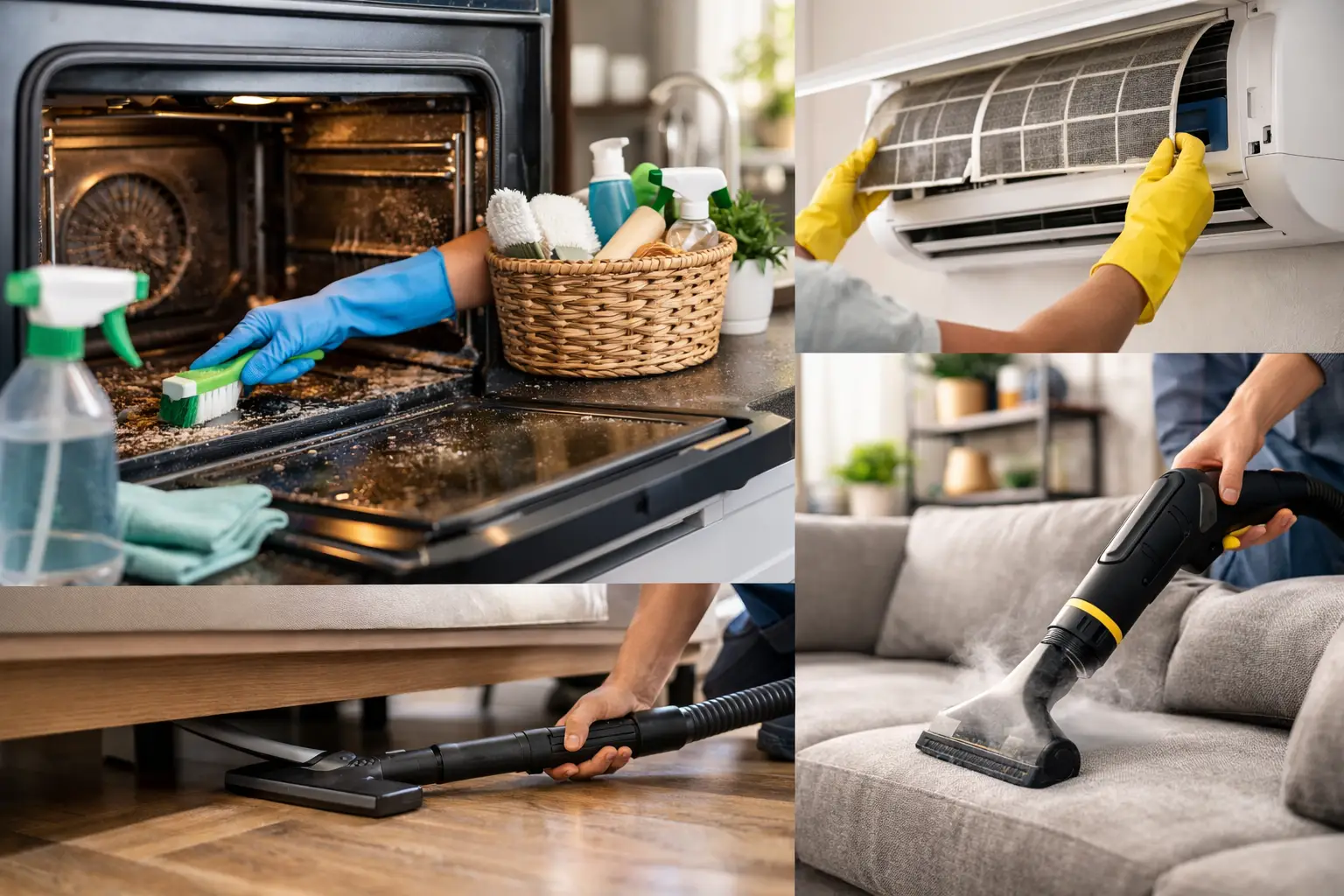
A practical schedule may include daily trash removal, restroom sanitation, floor spot cleaning, and high-touch surface care. Weekly work can cover more detailed dusting, full vacuuming, interior glass, chair arms, and shared equipment. Monthly or seasonal service is a good time to address vents, baseboards, upholstery, carpet spots, blinds, and areas behind furniture.
Frequency should increase when more people are in the office, cold and flu season is active, food is regularly prepared onsite, or visitors move through the space all day. On the other hand, an office with flexible or hybrid schedules may need fewer full-service cleanings but still benefit from focused sanitation before team meetings or client events.
Prioritize High-Touch Surfaces
The surfaces that spread the most grime are often the ones no one notices until they look dirty. Make high-touch cleaning part of the daily routine, especially in shared areas. This includes:
- Door handles, push plates, light switches, and elevator buttons
- Reception desks, payment terminals, counters, and visitor seating arms
- Break room tables, refrigerator handles, microwave buttons, and coffee equipment
- Shared printers, copier controls, phones, keyboards, and conference room remotes
- Faucet handles, toilet flush levers, stall latches, and paper towel dispensers
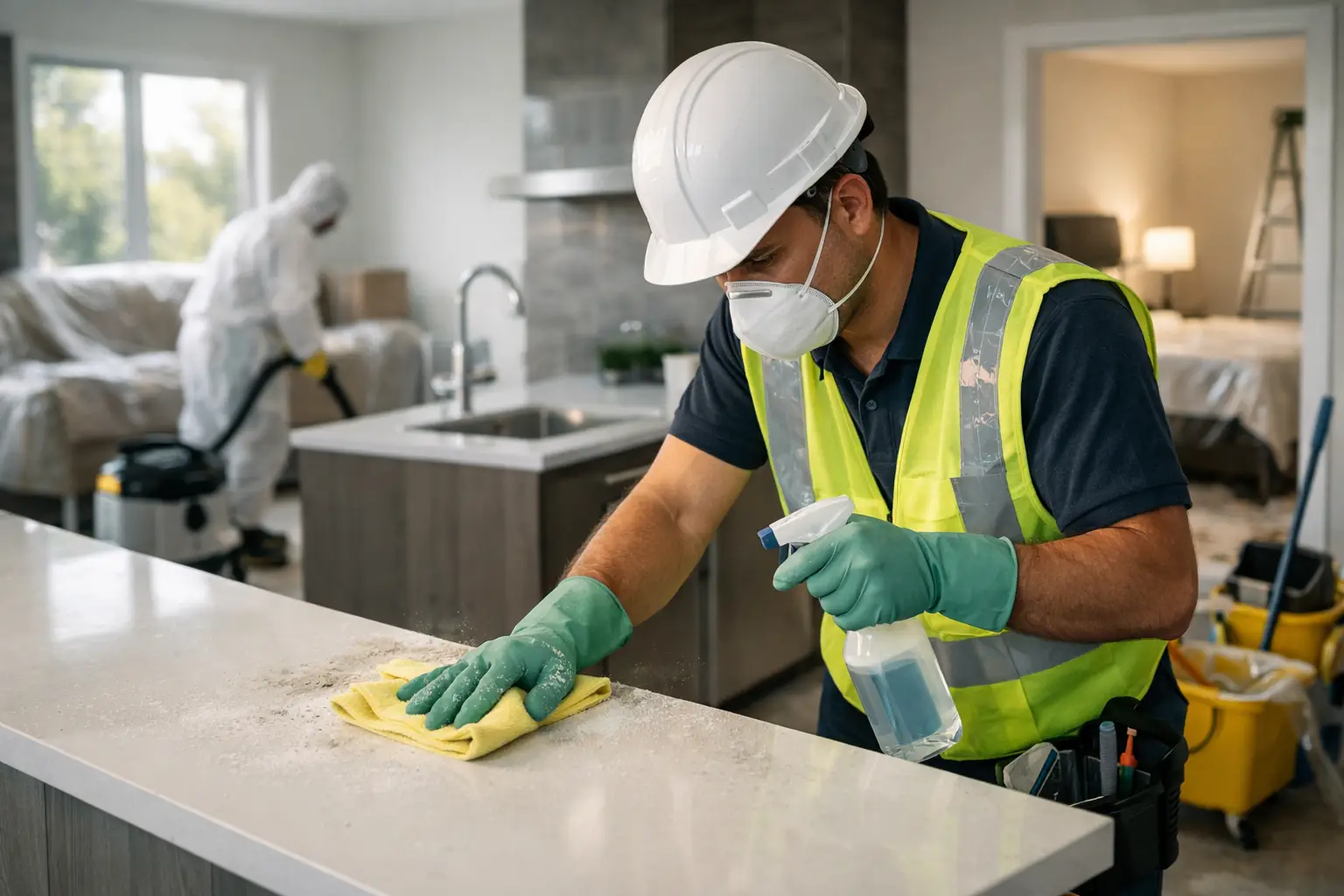
Use products that are safe for the surface being treated. Electronics need special care, since oversaturating a keyboard or screen can cause damage. Apply cleaner to a microfiber cloth when appropriate rather than spraying directly onto devices. For disinfectants, follow the required contact time on the label. Wiping a product away immediately may not deliver the result you expect.
Keep Restrooms and Break Rooms on a Tighter Routine
These two areas can shape how employees and visitors judge the entire workplace. A fresh-smelling lobby does little for your business if the restroom is understocked or the break room sink is greasy.
Restroom sanitation should include toilets, urinals, sinks, faucets, counters, mirrors, stall hardware, floors, and waste bins. Supplies matter just as much. Check soap, toilet paper, paper towels, and feminine hygiene disposal units daily. A restroom should never run out of basic supplies during business hours.
In break rooms, remove food waste before odors develop and wipe down tables, counters, cabinet handles, and appliances. The refrigerator deserves regular attention as well. Assign a weekly date for employees to remove old food, then clean spills and handles thoroughly. This small routine prevents unpleasant odors and reduces the chance of forgotten items becoming a larger cleaning problem.
Use Products That Are Effective and Appropriate
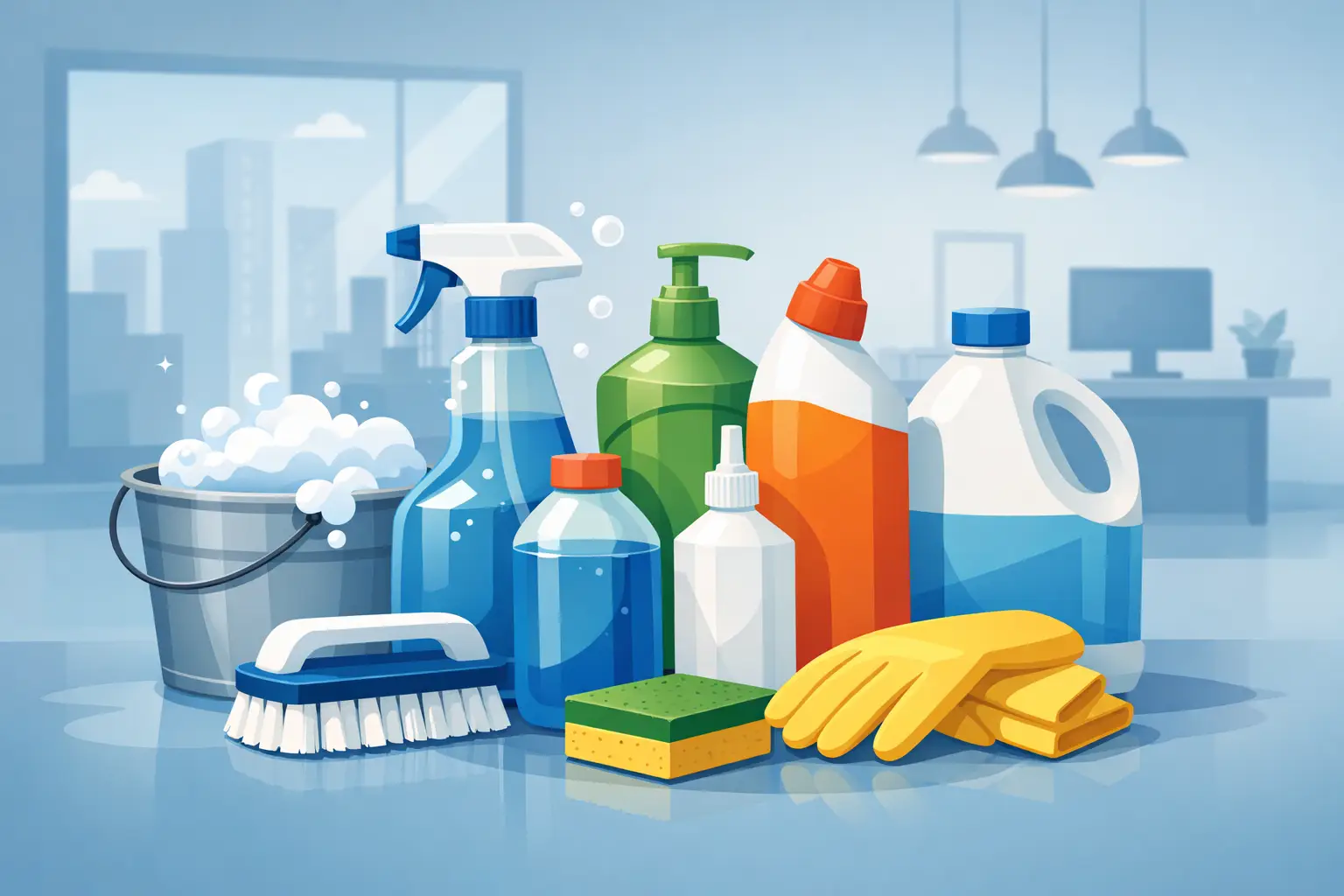
Stronger is not always better. An overly harsh product can irritate employees, damage finishes, leave behind unpleasant odors, or create safety concerns when used incorrectly. Choose cleaning and sanitation products based on the surface, the level of soil, and the people who use the building.
Eco-conscious products can be a smart choice for many offices, particularly when they are paired with proper cleaning methods and trained use. Look for products with clear instructions, use the correct dilution when required, and never mix chemicals. Bleach, ammonia, and other cleaning chemicals can create dangerous fumes when combined.
Microfiber cloths are especially useful because they capture dust and residue effectively when used correctly. Color-coding cloths and mop heads by area can also help prevent cross-contamination. For example, supplies used in restrooms should never be used on break room counters or desks.
Store products in labeled containers away from food, personal belongings, and unauthorized access. Keep safety data available for employees or cleaning staff, and make sure anyone handling chemicals understands basic protective measures, including handwashing and proper ventilation.
Make Employee Participation Simple
A professional cleaning service can maintain the office at a high standard, but employees still influence cleanliness between scheduled visits. The goal is not to turn staff members into janitors. It is to make good habits easy and reasonable.
Provide disinfecting wipes or surface-safe cleaners near shared equipment, encourage people to clear food and personal items from desks, and make hand sanitizer available near entrances and common areas. If employees reserve conference rooms, build a quick reset into the process: remove cups, wipe the table if food was served, and return chairs to their place.
Clear policies are more effective than reminders that feel punitive. For example, a simple break room rule about labeling food and removing it by Friday is easier to follow than repeatedly asking staff to “keep the kitchen clean.” The same applies to illness. Encourage employees to stay home when they are sick whenever possible, and arrange prompt sanitation of shared areas after a reported illness.
Do Not Forget Air, Floors, and Soft Surfaces
Sanitation is often associated with hard surfaces, but the overall condition of an office depends on more than countertops and handles. Dusty vents, stained carpets, and neglected upholstery can affect indoor comfort and make an otherwise tidy office feel poorly maintained.
Vacuum carpets regularly using equipment with effective filtration, particularly near entrances, under desks, and in meeting rooms. Spot-clean spills quickly before they set. Periodic professional carpet and upholstery cleaning is worthwhile for offices with heavy foot traffic, client seating, or staff areas where food and drinks are common.
Pay attention to air circulation too. Keep vents unobstructed, replace HVAC filters on the recommended schedule, and address persistent odors instead of masking them with fragrance. A recurring odor may point to trapped moisture, food waste, dirty upholstery, or a maintenance issue that needs attention.
Know When Professional Office Cleaning Is the Better Choice
Internal teams can handle light daily upkeep, but consistent office sanitation takes time, equipment, products, and accountability. Professional cleaning is especially helpful when your office has multiple restrooms, frequent visitors, demanding business hours, or a need for documented cleaning checklists.
A dependable commercial cleaning plan can be tailored around your operating schedule, whether that means evening service, early-morning cleaning, or regular daytime attention to high-traffic spaces. It also creates a clear scope of work, so tasks such as restroom sanitation, floor care, trash removal, and high-touch surface cleaning are not left to chance.
The most effective office sanitation routine is one your team can sustain week after week. Start with the areas people share most, set a schedule that matches real traffic, and adjust it when your workplace changes. A consistently cared-for office sends a simple message to employees and visitors alike: their health, comfort, and time matter here.