A spilled drink does not have to become a permanent reminder of a busy morning, a family gathering, or a pet accident. The best carpet stain removal methods work because they match the cleaner and technique to the spill, protect the carpet fibers, and treat the problem before it travels deeper into the backing.
The biggest mistake is reaching for the strongest product available and scrubbing hard. That can spread the stain, roughen the carpet pile, or leave behind sticky residue that attracts more dirt. A calm, methodical approach usually produces better results – and helps preserve the look and life of your carpet.
Best Carpet Stain Removal Methods Begin With Blotting
Act quickly when possible. Use a clean white cloth or plain white paper towel to blot the spill from the outside edge toward the center. Apply light, steady pressure and switch to a dry section of the cloth as it absorbs moisture.
Do not rub, scrub, or use a colored towel. Rubbing pushes liquid farther into the carpet and can distort the fibers. Colored cloths may transfer dye, leaving you with a second stain to address.
Before applying any cleaning solution, remove solids carefully with a spoon or dull edge. For mud, wait until it is fully dry, then vacuum up as much loose soil as possible. Adding water to wet mud often creates a larger, messier spot.
For most fresh, water-based spills, start with a small amount of cool or lukewarm water. Blot again and assess the result. Avoid soaking the carpet, since excess moisture can reach the padding and create odor or drying issues.
Know Your Carpet Before You Treat the Stain
Not every carpet can handle the same cleaning approach. Synthetic fibers such as nylon and polyester generally tolerate water-based spot cleaning well. Wool, silk, natural-fiber rugs, antique carpets, and heavily textured carpet need more caution. Strong alkaline products, peroxide, and excessive moisture can damage delicate materials or alter their color.
Always test a cleaning solution in an inconspicuous area first, such as inside a closet or behind a piece of furniture. Apply a small amount, blot it dry, and check for fading, texture changes, or dye transfer. This small step can prevent an expensive carpet repair.
If you do not know the carpet fiber or the stain has been sitting for weeks, use the mildest method first. Escalating gradually is safer than trying to reverse damage from an overly aggressive cleaner.
A Simple Spot-Cleaning Kit
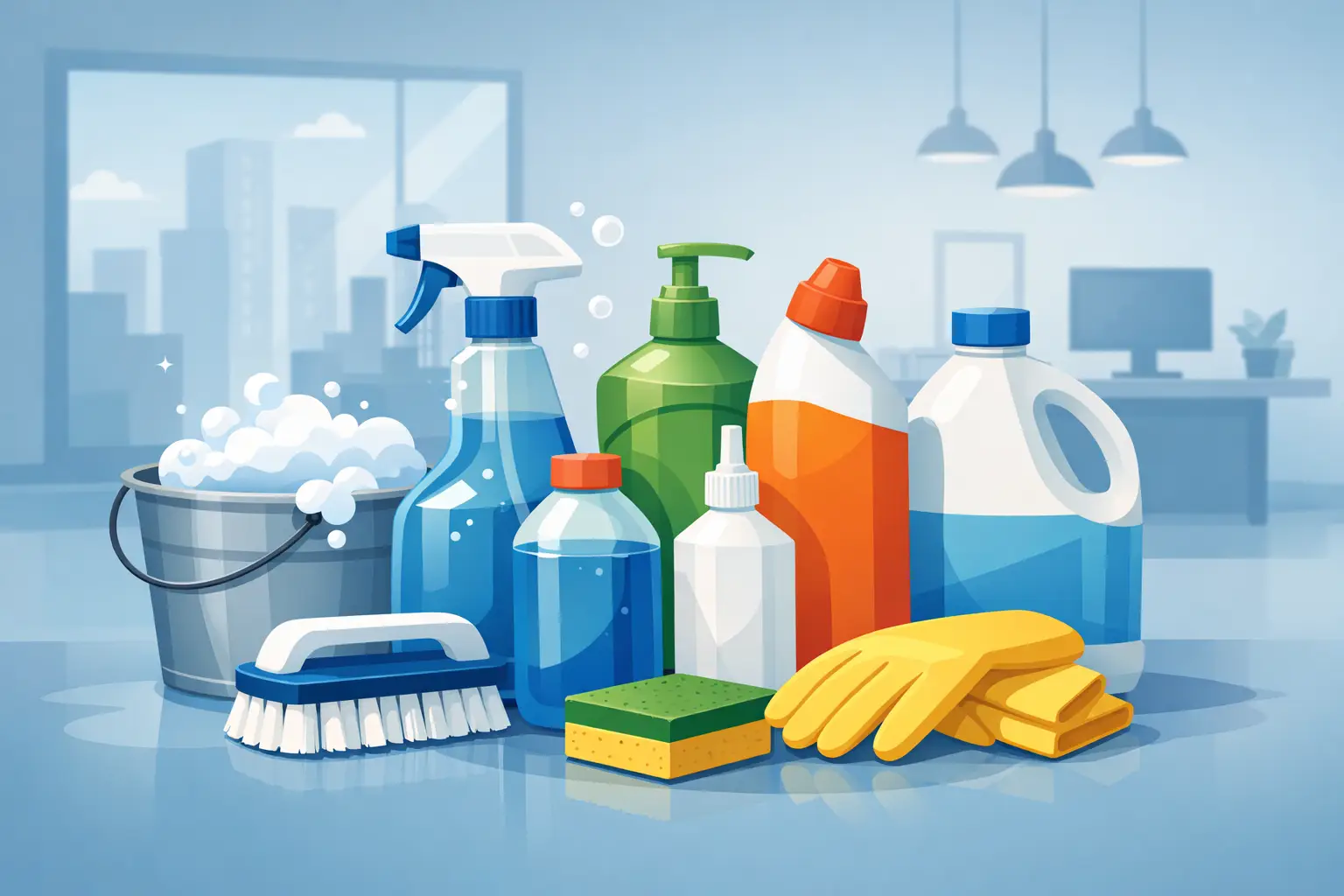
Keeping a few basic supplies nearby makes a quick response much easier. A practical kit includes:
- Clean white microfiber cloths or white paper towels
- A spray bottle with cool water
- A mild, clear dish soap
- A carpet-safe enzyme cleaner for pet accidents
- Baking soda for odor control and a vacuum
Use commercial carpet spot removers only as directed on the label. More product is not better. If residue remains after treatment, it can attract dust and make the cleaned area look dirty again sooner.
Treat Food, Coffee, and Drink Spills Gently
Coffee, tea, juice, soda, and many food spills respond well to a mild detergent solution. Mix a few drops of clear dish soap into a cup of lukewarm water. Lightly apply the solution to a cloth rather than pouring it directly onto the carpet, then blot the stain from the outer edge inward.
Follow with a separate cloth dampened with plain water to remove soap residue. Finally, blot the area dry with a clean towel. Place a dry white towel over the spot and weigh it down for a short time if the carpet is noticeably damp.
For red wine, fruit punch, or brightly colored drinks, speed matters. Blot immediately, then use a carpet-safe stain treatment appropriate for colored spills. Do not use hot water, which can set certain stains. Hydrogen peroxide is sometimes used for stubborn dye stains, but it can lighten carpet color and should only be considered after a careful test, especially on darker carpet.
Chocolate, gravy, and other food stains may contain both pigment and oil. Remove the solid material first, use the mild detergent method, and repeat the rinse-and-blot process as needed. Patience is more effective than saturating the area.
Use the Right Method for Grease and Oil
Grease stains from cooking, cosmetics, salad dressing, or tracked-in garage residue need a different approach. Water alone will not lift oil effectively. Start by gently blotting away surface oil without pressing it deeper into the fibers.
Apply a small amount of baking soda or cornstarch to the spot and allow it to sit for 15 to 30 minutes to absorb oil. Vacuum thoroughly, then blot with a small amount of mild dish soap solution. Rinse lightly with water and blot dry.
Avoid using harsh solvents or random household degreasers on carpet. They may remove the stain, but they can also damage backing, create strong fumes, or leave a residue that is difficult to rinse away. A professional carpet cleaner has access to fiber-appropriate products and extraction equipment when grease has spread or become embedded.
Pet Stains Need Odor Treatment, Not Just Surface Cleaning
Pet urine is one of the most frustrating carpet problems because the visible spot is only part of it. Urine can travel through carpet fibers into the padding, and the odor may return during humid weather if odor-causing residue remains.
Blot fresh urine thoroughly. Apply an enzyme-based cleaner designed for pet accidents, following the dwell-time instructions on the product. Enzyme treatments need time to break down organic residue, so wiping them away immediately can limit their effectiveness.
Avoid steam cleaning a fresh or untreated pet stain. Heat can set proteins and odors into the carpet. Also avoid ammonia-based cleaners, since their smell can resemble urine to pets and may encourage repeat marking.
If a pet stain is old, recurring, or widespread, professional treatment is usually the better value. Deep extraction and odor treatment can reach areas that a surface spot cleaner cannot, particularly when the padding has been affected.
Blood, Ink, and Other Tough Stains Require Restraint
For blood, use cold water only. Hot water can set the stain. Blot repeatedly with a cloth dampened in cold water, changing cloth sections often. If needed, use a carpet-safe enzyme cleaner after testing it in a hidden area.
Ink is more complicated because formulas vary. Ballpoint ink, permanent marker, and printer ink do not respond to the same solution. Blot the stain without spreading it, avoid rubbing, and consult the carpet manufacturer’s care guidance or a professional cleaner before using alcohol or solvent-based products. A rushed DIY treatment can turn a small ink mark into a larger faded patch.
Wax and gum should be hardened with ice in a sealed bag, then gently lifted away with a dull tool. Do not pull aggressively. Once the bulk is removed, a professional can address any remaining color or residue if necessary.
When Professional Carpet Cleaning Is the Better Choice
Spot cleaning is useful for a fresh, small spill, but it has limits. Call for professional help when a stain has reached the backing, covers a large area, keeps returning after drying, or comes with persistent odor. It is also the safer choice for wool carpets, expensive area rugs, delicate upholstery, and light-colored carpet with visible traffic patterns.
Professional cleaning is not only for emergencies. Routine deep cleaning removes embedded soil that regular vacuuming cannot reach, helping carpet look brighter and feel fresher. For households with children, pets, allergies, or heavy foot traffic, scheduled carpet care can be a practical part of maintaining a healthier space.
Get It Done Cleaning Services provides detailed carpet and upholstery cleaning with a careful, service-focused approach for homes and businesses. The goal is not simply to make a spot look better for a day, but to treat the source of the stain while respecting the material being cleaned.
Prevent the Next Stain From Becoming a Bigger Job
Vacuuming regularly is one of the simplest ways to protect carpet. Dry soil has sharp edges that can wear down fibers as people walk across it. Entry mats, a shoes-off routine, and quick attention to spills also reduce the need for intensive stain removal.
After any spot treatment, allow the area to dry fully before walking on it. Keep pets and children away from the damp spot if possible, and avoid covering it with furniture until you are sure the carpet is dry. If the stain reappears after drying, it likely wicked up from deeper in the carpet and may need professional extraction.
A clean carpet is built on small habits: blot promptly, use the mildest effective method, and know when the stain deserves trained attention. That approach protects both your carpet and the comfort of the space your family, guests, customers, or tenants rely on every day.