A kitchen counter can look spotless while leaving behind strong fragrance, chemical residue, or fumes that linger long after the cloth is put away. That is why green cleaning vs traditional products is more than a question of labels. For families, pet owners, renters, and business owners, the right choice affects cleaning results, comfort, indoor air, and how confidently a space can be used after service.
Neither category is automatically perfect. Some conventional products are highly effective for specific sanitation challenges, while some products marketed as green do not clean as well as their claims suggest. The practical goal is simple: use products that match the job, protect the people in the space, and deliver a consistently clean result.
Green Cleaning vs Traditional Products: The Core Difference
Traditional cleaning products often rely on stronger chemical ingredients to cut through grease, dissolve mineral buildup, disinfect surfaces, or bleach stains. They can include chlorine bleach, ammonia, synthetic fragrances, solvents, and powerful degreasers. When used correctly, many are effective tools, especially in high-soil or high-touch environments.
Green cleaning products are generally designed to reduce environmental and indoor exposure concerns. They may use plant-derived surfactants, biodegradable ingredients, lower-fragrance or fragrance-free formulas, and packaging or manufacturing practices intended to create less environmental impact. However, “green,” “natural,” and “eco-friendly” are marketing terms unless the product also provides clear ingredient information and credible certification details.
The real comparison is not chemical versus chemical-free. Water is a chemical, and every effective cleaner uses some form of cleaning chemistry. The better question is whether a product removes the soil or germs at issue without adding unnecessary harshness to the home or workplace.
Cleaning Power Depends on the Task
For everyday cleaning, quality green products can perform extremely well. A properly chosen all-purpose cleaner can lift fingerprints, food splatter, dust, and light grease from counters, tables, sealed floors, and fixtures. Microfiber cloths, correct dwell time, and careful technique matter just as much as the bottle used.
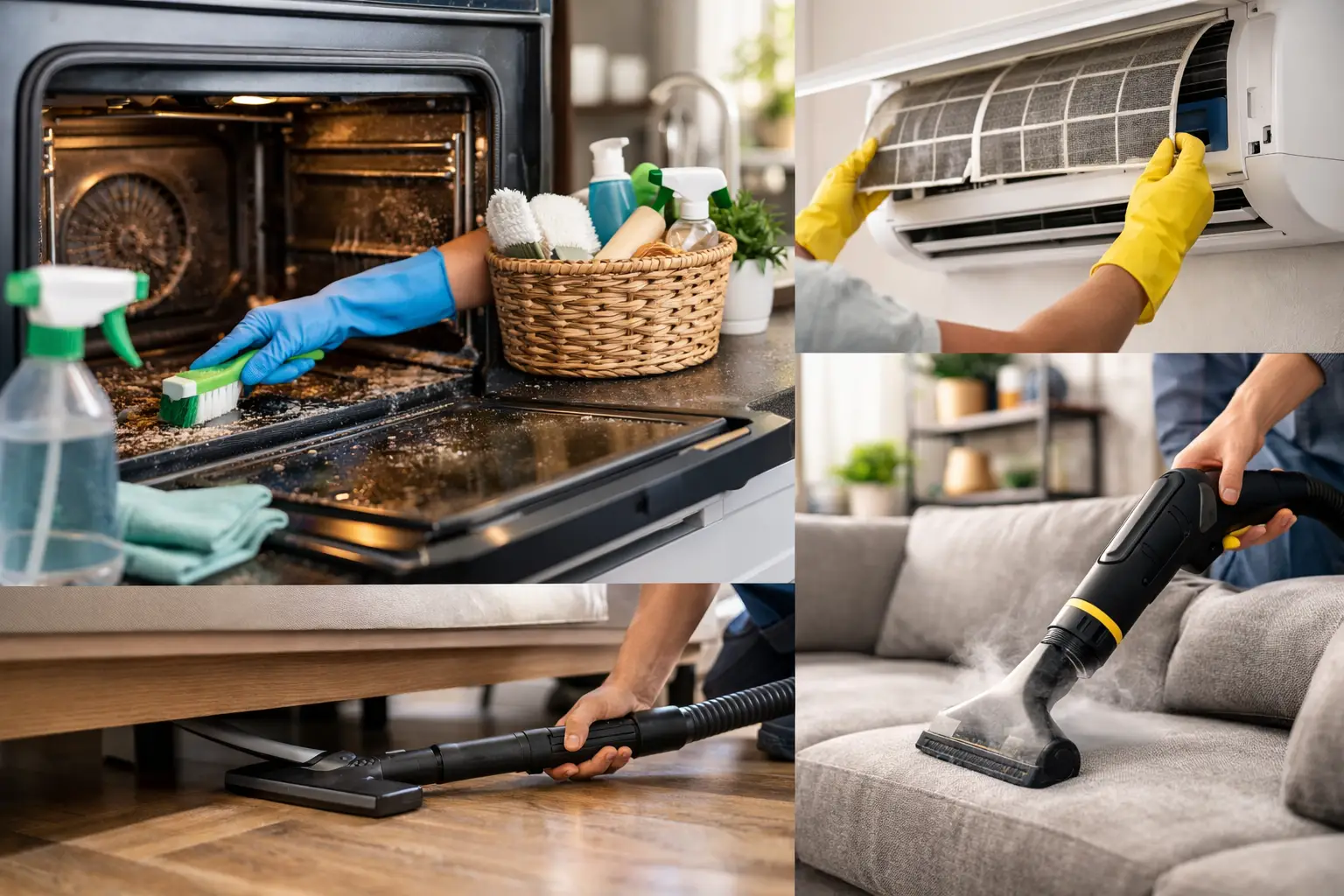
The difference becomes more noticeable with tough buildup. Oven grease, soap scum that has hardened over months, post-renovation dust, and heavily stained carpet fibers may require specialized products and equipment. A professional cleaner may use a more targeted solution for one surface, then rinse or wipe the area thoroughly to prevent residue. That is not a failure of eco-conscious cleaning. It is a practical response to the condition of the space.
Disinfecting Is Not the Same as Cleaning
A surface can look clean without being disinfected, and a disinfectant cannot work properly on a visibly dirty surface. Cleaning removes dirt, oils, and debris. Disinfecting is intended to reduce certain germs, and it requires the product to stay wet on the surface for the stated contact time.
For normal household maintenance, cleaning high-touch areas with an effective cleaner is often appropriate. During illness, after a known contamination issue, or in a commercial setting with higher sanitation needs, a registered disinfectant may be the better option. The safest approach is targeted use, not treating every surface every day with the strongest product available.
What Green Products Can Improve Indoors
The biggest advantage of green cleaning is often how a space feels after it is cleaned. Many conventional products release volatile organic compounds, commonly called VOCs, or contain added fragrances that can bother people with asthma, allergies, migraines, or scent sensitivities. Even when a fragrance smells “fresh,” it does not prove that the room is cleaner.
Lower-odor products can make a meaningful difference in homes with babies, older adults, pets, or anyone who spends long hours indoors. This is also valuable in offices, where strong cleaning smells can distract employees or make clients uncomfortable.
Green methods can also reduce the number of products needed. A trained cleaner who uses the right dilution, a clean microfiber system, and separate tools for bathrooms and kitchens can prevent cross-contamination without relying on excessive product. Less product waste usually means less residue on surfaces and fewer containers entering the waste stream.
That said, a green label is not a guarantee of safety. Essential oils can trigger sensitivities. Plant-based ingredients can still irritate skin or eyes. Concentrated formulas must be diluted correctly, stored safely, and kept out of reach of children and pets. Read product directions rather than assuming natural means harmless.
Cost: Look Beyond the Bottle Price
Traditional cleaners often appear less expensive because they are widely available and sold in large containers. Green products can cost more upfront, particularly when they use concentrated formulas or independently verified ingredients. But the total cost depends on how much product is used and whether it actually does the job.
Overusing any cleaner wastes money and can leave streaks, sticky floors, or residue that attracts more dust. A measured amount of concentrated cleaner, used with reusable microfiber cloths, can be economical over time. For recurring cleaning, consistency also helps. When grime is removed regularly, there is less need for aggressive products later.
For property managers and business owners, product cost is only one part of the equation. Employee comfort, tenant expectations, cleaning time, surface longevity, and the professional appearance of the facility all matter. A low-cost cleaner is not a bargain if it damages finishes, produces complaints, or fails to remove visible soil.
Choosing Products for Common Cleaning Jobs
A balanced cleaning plan usually works better than choosing only one category. For routine dusting, bathroom maintenance, mopping, and kitchen wipe-downs, lower-impact products are often an excellent fit. They support a clean, comfortable home without filling it with harsh odors.
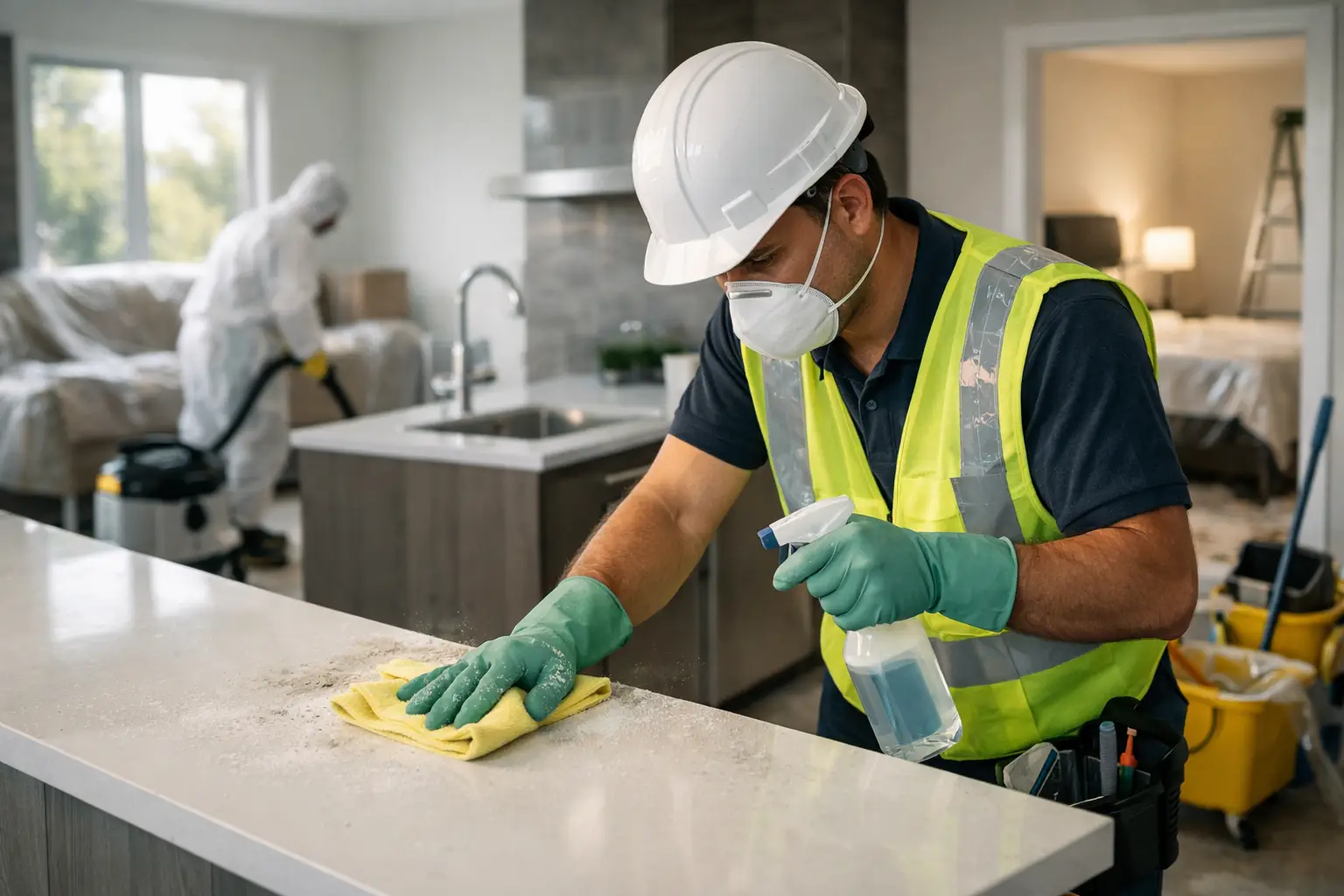
More intensive work calls for more careful product selection. Move-out cleaning may involve grease inside appliances, mineral buildup around fixtures, and stains left behind by previous occupants. Post-renovation cleaning can involve fine dust and construction residue that require specialized vacuums, damp-wiping methods, and surface-safe solutions. Carpet and upholstery cleaning depend on fiber type, stain source, and extraction equipment, not simply on whether a solution is labeled green.
Before using a new product, test it in an inconspicuous spot when cleaning natural stone, unfinished wood, specialty flooring, painted cabinets, or delicate upholstery. Avoid mixing products, especially bleach with ammonia or acidic cleaners. Mixing cleaners can create dangerous fumes, even when each product is safe on its own when used as directed.
How to Spot a Better Green Cleaning Product
Instead of relying on package color or words such as “pure” and “earth-friendly,” look for practical signs of transparency. A better product clearly states what surfaces it is designed for, provides usage and dilution instructions, and identifies its ingredients or safety information. Fragrance-free options are often a smart choice for scent-sensitive households.
Credible third-party certifications can be useful, but they should not replace common sense. Consider whether the product cleans effectively for your needs, whether it is safe for the surface, and whether you can use it as directed. A product that requires repeated heavy spraying to work may not be the most sustainable or affordable option.
Professional cleaning also makes this easier for customers. At Get It Done Cleaning Services, product selection is paired with trained techniques, detailed checklists, and attention to the surfaces being cleaned. That means using eco-conscious methods where they make sense while still addressing the real cleaning needs of the home, office, or turnover project.
The Right Choice Is Usually a Practical One
Green cleaning is a strong choice for routine maintenance, scent-sensitive spaces, and households or workplaces looking to reduce unnecessary chemical exposure. Traditional products still have a role when a specific surface, stain, or sanitation requirement calls for them. The best standard is not the loudest label. It is a clean space that is safe to use, cared for properly, and comfortable for everyone who walks through the door.
When you are unsure, start with the least harsh effective option, use it correctly, and escalate only when the job truly requires it. That approach protects your surfaces, your indoor environment, and the people who depend on the space every day.