
The spots people notice first in a kitchen are not always the dirtiest ones. The sticky cabinet pull, the grease film above the stove, the crumbs hiding under the toaster – those are the places that quietly build up until a kitchen stops feeling clean, even after a regular wipe-down. A good deep cleaning checklist for kitchens helps you move past the obvious and clean with a clear plan.
For busy households, rental turnovers, and homes getting back on track after a hectic season, the goal is not perfection for one afternoon. It is getting the kitchen truly clean in a way that feels manageable and lasts longer. That means cleaning in the right order, using products that fit the surface, and knowing which areas deserve extra time.
Why a deep kitchen clean needs a checklist
A kitchen gets used harder than almost any room in the house. It collects food residue, grease, fingerprints, water spots, dust, pet hair, and bacteria, often all in the same day. Regular upkeep handles the surface mess, but deep cleaning is what resets the space.
Without a checklist, it is easy to spend an hour scrubbing the sink and still miss the range hood, cabinet faces, and the grime line behind the faucet. A checklist keeps the work thorough and efficient. It also helps if more than one person is cleaning, since everyone can see what has been done and what still needs attention.
Before you start the deep cleaning checklist for kitchens
Begin by clearing the room as much as possible. Put away food, remove small appliances from the counters, and empty anything that will block access to the surfaces you need to clean. If you are planning to clean inside the refrigerator, pantry, or cabinets, set aside a nearby table or section of floor for sorting items.
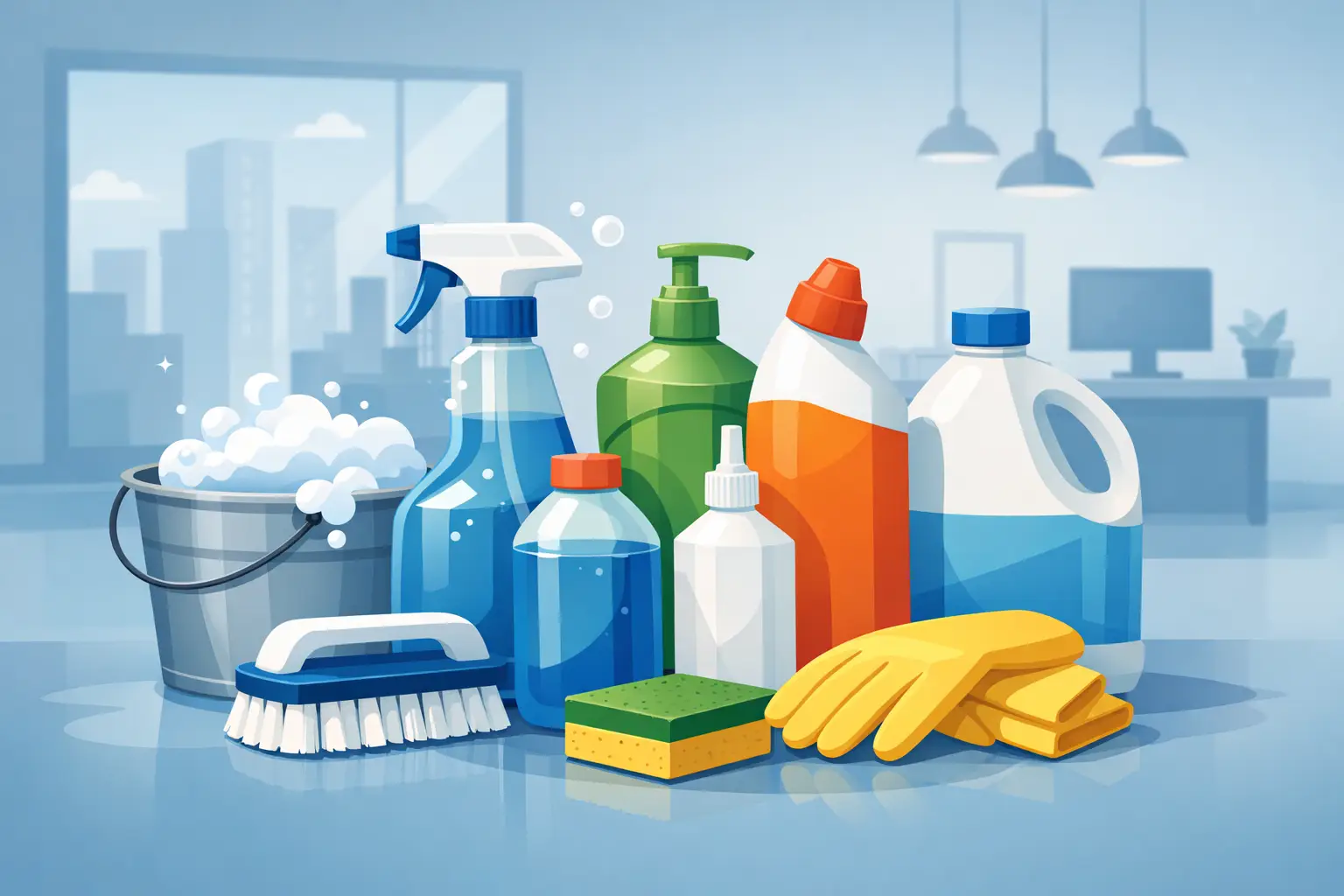
Use gentle but effective supplies. In most kitchens, that means microfiber cloths, a soft scrub brush, a degreaser or dish soap solution, a non-abrasive sponge, a vacuum with a crevice attachment, and a mop. Eco-friendly products work well for many surfaces, but heavy grease around cooking areas may need a stronger kitchen-safe degreaser. The trade-off is simple – the stronger the product, the more important it is to check labels and test delicate finishes first.
A practical rule is to clean from top to bottom and from dry to wet. Dust and loose debris should come first. Scrubbing and polishing come after. That way, you are not knocking crumbs onto a floor you already mopped.
Deep cleaning checklist for kitchens: the right order
Start with high surfaces
Look up first. Ceiling corners, light fixtures, the tops of cabinets, and vent covers collect dust and grease that often go unnoticed. In kitchens with open shelving or cabinets that do not reach the ceiling, this area can hold a surprising amount of buildup.
Dust these areas before using any wet cleaner. If grease is present, follow with a damp cloth and a safe degreasing solution. Light fixtures may need extra care, especially if they have glass covers. Let those dry fully before reinstalling.
Clean cabinet exteriors and hardware
Cabinet doors carry fingerprints, food splatter, and grease, especially around handles and edges. Wipe the fronts, sides, and lower kick plates. Hardware should get special attention because it is touched constantly.
Painted cabinets, wood cabinets, and laminate cabinets do not all respond the same way. If you are unsure, use a mild soap solution first and avoid soaking the surface. Too much moisture can damage finishes or seep into seams.
Tackle counters, backsplash, and wall splatter
Once upper areas are done, move to the daily-use surfaces. Clear and clean counters thoroughly, then wash the backsplash and the wall area near prep and cooking zones. This is where grease mist, sauce splatter, and food particles usually collect.
Be careful with natural stone counters, since acidic cleaners can dull or etch them. For tile backsplashes, pay attention to grout lines. They trap grease and discolor faster than people expect.
Deep clean the stove and oven
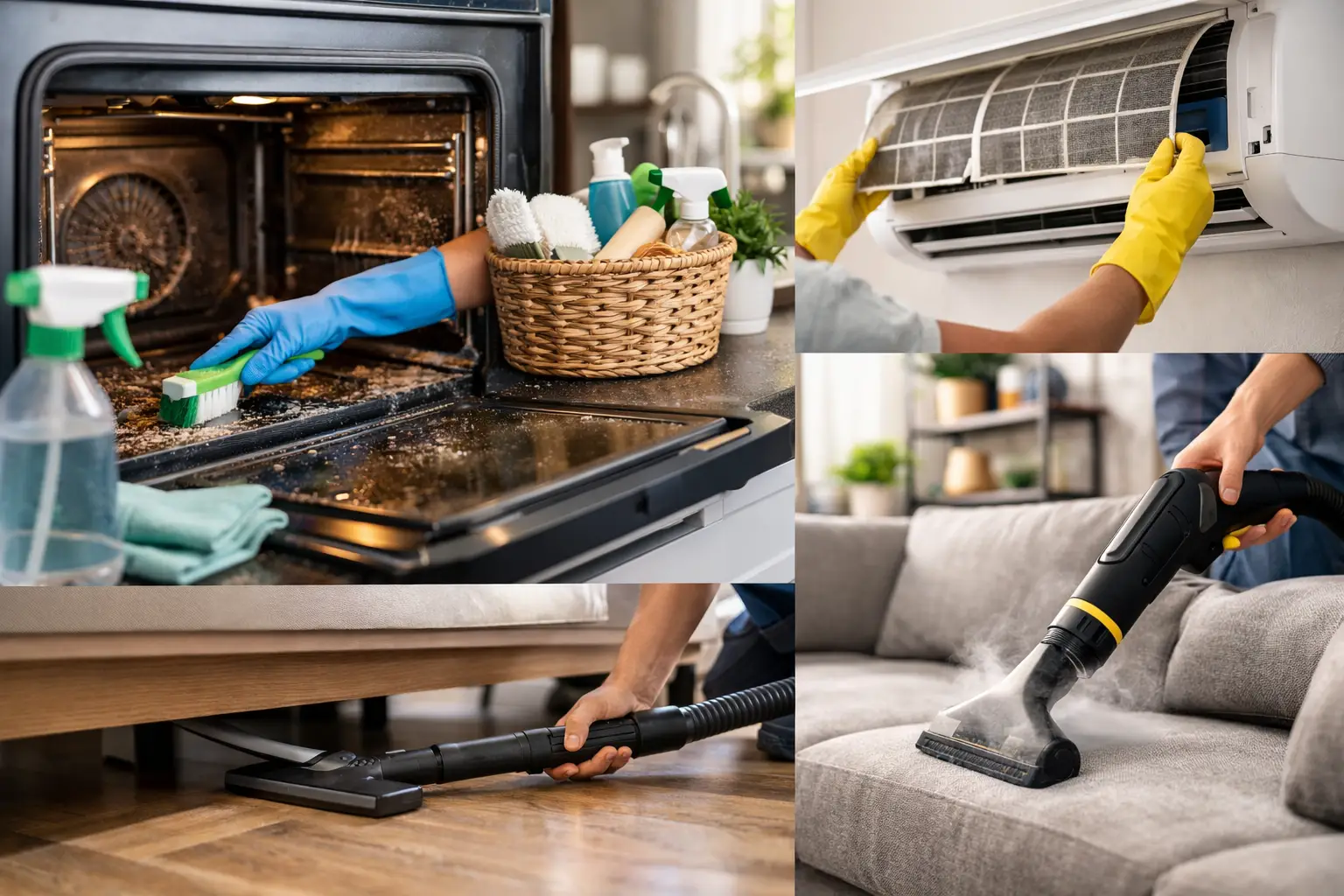
The stove is often the center of a kitchen deep clean because it shows wear quickly. Remove burner grates, drip pans, and knobs if the manufacturer allows it. Soak removable parts, then scrub away grease and cooked-on residue.
For the oven, it depends on the condition. A lightly soiled oven may only need a spot treatment and wipe-down. An oven with baked-on spills may need a dedicated oven cleaner or a longer soak time. Self-cleaning cycles can help, but they also produce heat and odor that not every household wants to deal with. If you use that setting, ventilate the area well.
Do not skip the range hood and filter. This part of the kitchen catches airborne grease constantly, and when filters clog, they stop working as effectively.
Clean inside and outside of appliances
A true kitchen deep clean includes appliance exteriors and, when needed, interiors. Fingerprints on stainless steel, drips on the dishwasher front, and crumbs in the microwave all affect how clean the room feels.
The microwave should be emptied, cleaned inside, and wiped around the door seal. The dishwasher benefits from cleaning the edges, controls, and filter area. The refrigerator should be wiped outside first, then cleaned inside shelf by shelf if time allows. Remove expired food, wipe drawers, and clean spills that can create odors.
Small appliances matter too. Coffee makers, toaster ovens, air fryers, and blenders collect residue that gets overlooked because they are used often. If they stay on the counter, they should be part of the reset.
Sink, faucet, and drain area
The sink can look clean and still hold buildup around the edges, drain, and faucet base. Scrub the basin, polish the faucet, and clean behind the tap where grime tends to collect. If the sink is stainless steel, follow the grain when wiping to reduce streaks.
The drain area deserves more than a quick rinse. Food particles and soap residue build up there over time, and that is often where odors begin. Garbage disposals, if installed, should also be cleaned carefully according to manufacturer guidance.
Drawers, pantry, and cabinet interiors
Not every deep clean has to include every drawer and shelf, but if the kitchen has not been reset in months, this step makes a real difference. Empty one section at a time so the job stays controlled. Vacuum crumbs, wipe shelves, and return items in an organized way.
This is also the best moment to check expiration dates, toss broken tools, and make space easier to maintain. If time is limited, prioritize the junk drawer, spice area, under-sink cabinet, and pantry shelves with visible spills.
Baseboards and floors
Save floors for last. Vacuum edges, corners, and under movable furniture or trash bins before mopping. Kitchen floors collect grease film as well as crumbs, so plain water usually is not enough.
Baseboards, table legs, and chair rungs are easy to miss but worth wiping while you are low to the ground. If appliances can be moved safely, cleaning underneath them adds another layer of freshness. It is not always realistic during every deep clean, especially with heavy units, but it is helpful when preparing for guests, move-outs, or seasonal resets.
What people usually miss
Even careful cleaners tend to skip a few trouble spots. The tops of the refrigerator and microwave, the edge of the dishwasher door, switch plates, cabinet trim, and trash can lids are common examples. Another one is the rubber seal around the fridge or dishwasher, where moisture and residue collect quietly.
These are the details that separate a kitchen that looks tidied from one that feels professionally cleaned. For households with kids, pets, or frequent cooking, these touchpoints get dirty faster and need more attention.
When DIY works and when professional help makes sense
A kitchen deep clean is absolutely doable on your own, especially if you break it into zones and work with a checklist. For a moderately maintained kitchen, a few focused hours can make a big improvement.
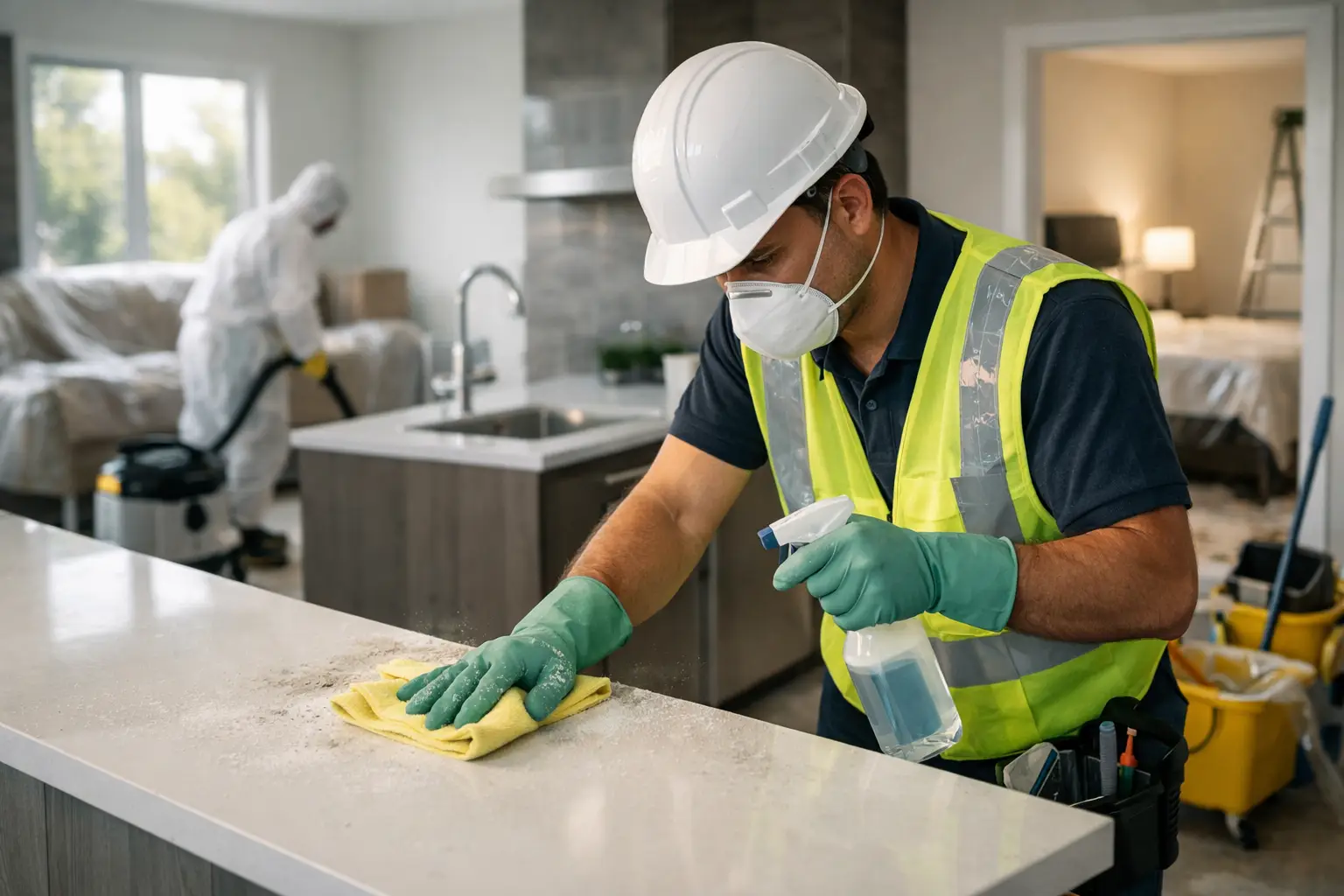
That said, some situations call for more support. Heavy grease buildup, post-renovation dust, move-in or move-out cleaning, and neglected appliances can turn a simple project into an all-day job. In those cases, professional cleaning services can save time and deliver more consistent results, particularly when detailed checklists, trained staff, and insured service matter to the customer.
For homeowners and renters in Hamilton who want that reset without losing a weekend, a company like Get It Done Cleaning Services can be a practical option. The value is not just the cleaning itself. It is having a clear scope, dependable arrival times, and the confidence that high-use spaces are being cleaned thoroughly.
How often should you deep clean a kitchen?
It depends on how the space is used. A busy family kitchen may need a full deep clean every one to three months, while a lightly used kitchen might go longer. Homes with pets, frequent cooking, or rental turnover usually need more frequent attention.
You do not have to deep clean every inch every time. Rotating tasks can make the work easier to manage. One session might focus on appliances and cabinets, while the next includes pantry shelves and under-furniture cleaning.
A clean kitchen supports more than appearance. It makes food prep feel better, reduces odors, helps surfaces last longer, and cuts down on the stress that comes from mess building up in the background. If the space has started to feel sticky, crowded, or harder to maintain, that is usually your sign to stop spot-cleaning and do the reset properly.