Moving day usually looks the same for everyone – boxes everywhere, a running checklist, and at least one room that somehow gets left for last. In that rush, the difference between move in vs move out cleaning can get overlooked, even though it affects your deposit, your first impression, and how comfortable the space feels from day one.
A lot of people assume these services are basically identical. They overlap, but they are not the same job. One is focused on leaving a property in clean, presentable condition for the next occupant, while the other is about preparing a space so you can unpack into something that feels fresh, sanitary, and ready to live in.
What move in vs move out cleaning really means
Move-out cleaning is done after a home, apartment, or office has been emptied or is nearly empty. The goal is to remove built-up dirt, dust, grease, marks, and general wear left behind from daily use. This is the service tenants often book before a final walkthrough, and it is also common for sellers, landlords, and property managers preparing a unit for turnover.
Move-in cleaning happens before the new occupant fully settles in. Even if a place looks decent at first glance, it may still have dust inside cabinets, grime in the refrigerator, buildup in bathrooms, or residue from prior occupants. Move-in cleaning is about creating a healthier starting point so you are not unpacking dishes into dusty shelves or using a bathroom that only looks clean from the doorway.
That is the core of move in vs move out cleaning. The timing changes, but so does the purpose.
The biggest difference is the goal
A move-out clean is often inspection-driven. If you are renting, you may be trying to meet lease requirements and protect your security deposit. If you are selling, you want the property to show well and feel cared for. In a commercial setting, you may need to leave the unit in acceptable condition under the terms of a lease.
A move-in clean is more comfort-driven, but it is no less important. You want to walk into a space that feels truly ready. That means sanitizing surfaces you will touch right away, clearing out hidden dust, and dealing with areas that are hard to clean once furniture is in place.
This is why one service is not always a substitute for the other. A landlord may have arranged cleaning after the previous tenant left, but that does not always mean the unit is at the standard you want before your family moves in. On the other side, a renter moving out may only need to meet reasonable cleaning expectations, not create a fully sanitized reset for the next resident.
What is usually included in move-out cleaning
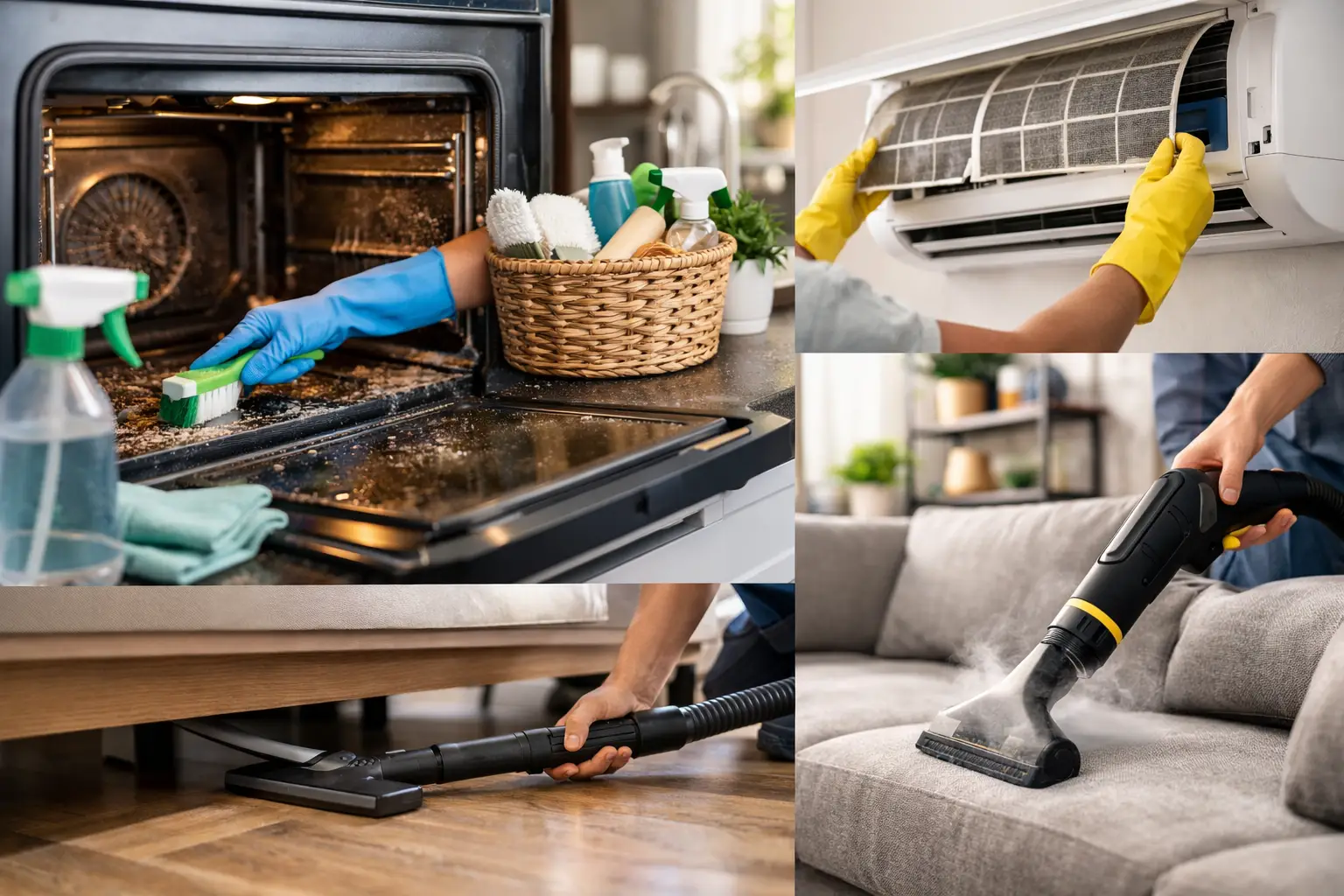
Move-out cleaning tends to focus on restoring the property after use. That often means more attention on wear patterns and buildup. Kitchens usually need the most work because grease settles over time, crumbs collect in corners, and appliance surfaces show every spill. Bathrooms also need detailed scrubbing because soap scum, hard water marks, and residue build slowly and are easy to miss until the room is empty.
Most professional move-out cleaning includes floors, baseboards, window sills, doors, trim, bathrooms, cabinets, countertops, and accessible fixtures. High-touch areas are wiped down, and the overall goal is to leave the property looking clean, neutral, and ready for the next step.
The exact scope depends on the condition of the space. A lightly used condo is different from a family home with pets, kids, and years of daily traffic. That is where a detailed checklist matters. It keeps expectations clear and helps avoid the common problem of assuming something is included when it is actually an add-on, such as inside appliances, inside cabinets, or carpet cleaning.
What is usually included in move-in cleaning
Move-in cleaning is more about reset than restoration. The home may be empty, recently painted, or supposedly cleaned already, but empty spaces reveal a lot. Dust settles after maintenance work. Cabinet interiors may have crumbs or shelf residue. Bathrooms may need sanitizing even if they look fine in listing photos.
A strong move-in clean usually focuses on the areas you will use immediately – kitchens, bathrooms, floors, storage spaces, and touchpoints like handles, switches, and railings. Inside drawers and cabinets matter more here because you are about to place your belongings in them. Appliance cleaning also becomes more valuable because nobody wants to move groceries into a refrigerator that still smells like the last tenant.
For families with kids, pets, or allergies, this service can make an even bigger difference. A place does not need to look dirty to contain dust, pet hair, or residue from products you would rather not live around.
Where the services overlap
There is plenty of crossover between the two. Both move-in and move-out cleaning are usually more detailed than standard recurring cleaning because the home is empty or nearly empty, which allows better access to floors, edges, corners, and surfaces that are normally blocked by furniture.
Both services often include deep attention to bathrooms and kitchens, wall spot cleaning, dusting throughout the property, and full floor care. In both cases, the cleaner is working toward a transition-ready result. The difference is not whether the work is detailed. The difference is who the clean is meant to serve and what success looks like at the end.
Which one do you actually need?
It depends on your role and the condition of the property.
If you are a renter leaving a unit, move-out cleaning is usually the priority. It helps you meet lease expectations and saves you from trying to scrub a whole apartment after packing for hours. If the landlord requires a professional standard, booking a service can also reduce back-and-forth over what was or was not cleaned.
If you are buying a home, move-in cleaning is often the smarter choice, even if the seller cleaned before closing. Sellers are usually focused on handing over the property, not sanitizing it to your personal standard. Once your furniture arrives, getting into every cabinet, vent area, and floor edge gets much harder.
If you are a landlord or property manager, you may need both at different points in the turnover cycle. A move-out clean helps restore the unit after one tenant leaves. A move-in touch-up or freshening service may still be worthwhile before the next tenant arrives, especially if there were repairs, painting, or days of vacancy that left dust behind.
Why DIY is not always the cheaper option
A lot of people plan to handle transition cleaning themselves and then run out of time. That is not a failure. Moving is already a labor-heavy process, and detailed cleaning takes longer than most people expect, especially when you are tired and working against a deadline.
The real cost of doing it yourself is not just supplies. It is the hours spent scrubbing instead of coordinating movers, finishing paperwork, or setting up utilities. It is also the risk of missing the details that matter during an inspection or living with a space that never felt fully clean from the beginning.
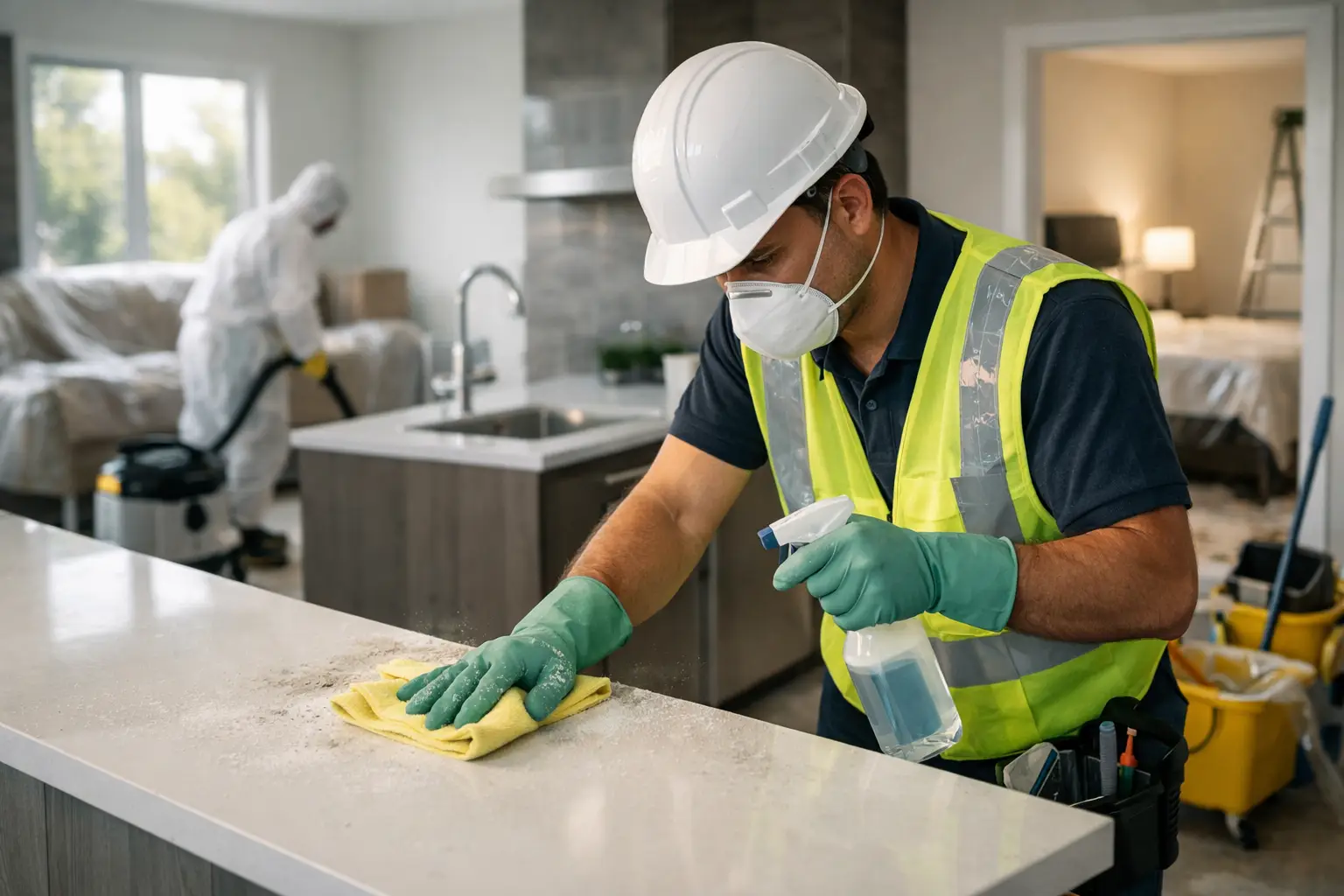
Professional service makes the most sense when timing is tight, the property is large, or the condition is more than basic upkeep can handle. Trained, insured cleaners also bring a level of consistency that is hard to match when you are cleaning in a hurry.
How to book the right service without overpaying
The best approach is to be specific about the property and your goal. Are you trying to pass a rental inspection? Are you preparing for move-in day with kids arriving that evening? Was the home recently renovated? Are appliances, carpets, or interior cabinets part of the job?
Those details affect the scope. A trustworthy cleaning company will not treat every move as identical. Clear service tiers, add-ons, and checklists help you pay for what you actually need instead of guessing.
For example, an empty one-bedroom apartment with light use may only need a focused turnover clean. A larger home may need appliance interiors, carpet cleaning, or post-renovation detail work before it is truly ready. In Hamilton, many customers book these services because they want fewer moving-day tasks and more confidence that the space will be clean where it counts.
A better way to think about move in vs move out cleaning
If you are still comparing move in vs move out cleaning, do not think of them as competing services. Think of them as two different checkpoints in the life of a property. One closes the chapter properly. The other helps the next one start clean.
That is why the best results come from choosing the service based on the outcome you need, not just the name. A good move-out clean protects your handoff. A good move-in clean protects your fresh start. And when the work is done thoroughly, you feel the difference right away – less stress, fewer surprises, and a space that is ready for what comes next.