A warehouse floor that looks clean can still be holding grease, dust, and fine debris that wear down equipment and create slip risks. That is why industrial cleaning solutions are not just about appearance. They are about safety, uptime, surface protection, and keeping a busy facility easier to manage day after day.
For business owners, facility managers, and property teams, the challenge is rarely whether cleaning matters. The real question is which approach actually fits the space, the traffic level, and the type of buildup you are dealing with. An office breakroom, a retail stock area, a production floor, and a post-renovation site all need different methods, products, and cleaning schedules.
What industrial cleaning solutions actually include
Industrial cleaning solutions can refer to both the products used and the service strategy behind them. In practical terms, that means degreasers, floor-safe cleaners, pressure washing methods, specialty tools, dust control, and detailed cleaning plans designed for harder-working environments. It also means using the right process for the right surface instead of applying one general cleaner everywhere and hoping for the best.
That distinction matters. Heavy-duty cleaning is not automatically better cleaning. A stronger chemical can damage finishes, leave residue, or create unnecessary exposure for staff and customers if it is used in the wrong setting. The better approach is targeted cleaning that matches the surface, soil level, and frequency of use.
For many businesses, the goal is not a one-time reset. It is a system that keeps floors presentable, shared areas sanitary, and high-contact surfaces under control without disrupting operations.
Where industrial cleaning solutions make the biggest difference
The spaces that benefit most are usually the ones with constant use, hard-to-remove buildup, or safety concerns tied to cleanliness. Commercial kitchens, loading areas, garages, warehouses, workshops, medical-adjacent spaces, and post-construction interiors all fall into that category. Even standard offices can need industrial-level methods in certain zones, especially entrances, restrooms, carpets, and employee common areas.
Floors are often the first issue. Dirt tracked in from outdoors mixes with moisture, salt, grease, or dust and starts breaking down the surface. Over time, that affects both appearance and traction. A proper cleaning plan does more than mop around the problem. It removes residue, treats the right floor type correctly, and helps extend the life of the material.
Another common issue is buildup in places people stop noticing. Baseboards, vents, corners, under appliances, behind fixtures, and upholstery in waiting areas can quietly collect dust and grime until the whole space starts to feel neglected. Customers may not point to a single cause, but they notice when a business feels cleaner, fresher, and more professionally maintained.
The right solution depends on the surface and the mess
This is where many cleaning plans go wrong. Different contaminants need different treatment. Dust and drywall residue after a renovation are not cleaned the same way as oil near a service bay. Carpet spotting is not handled the same way as hard-floor sanitation. Upholstery requires a different level of moisture control than concrete or tile.
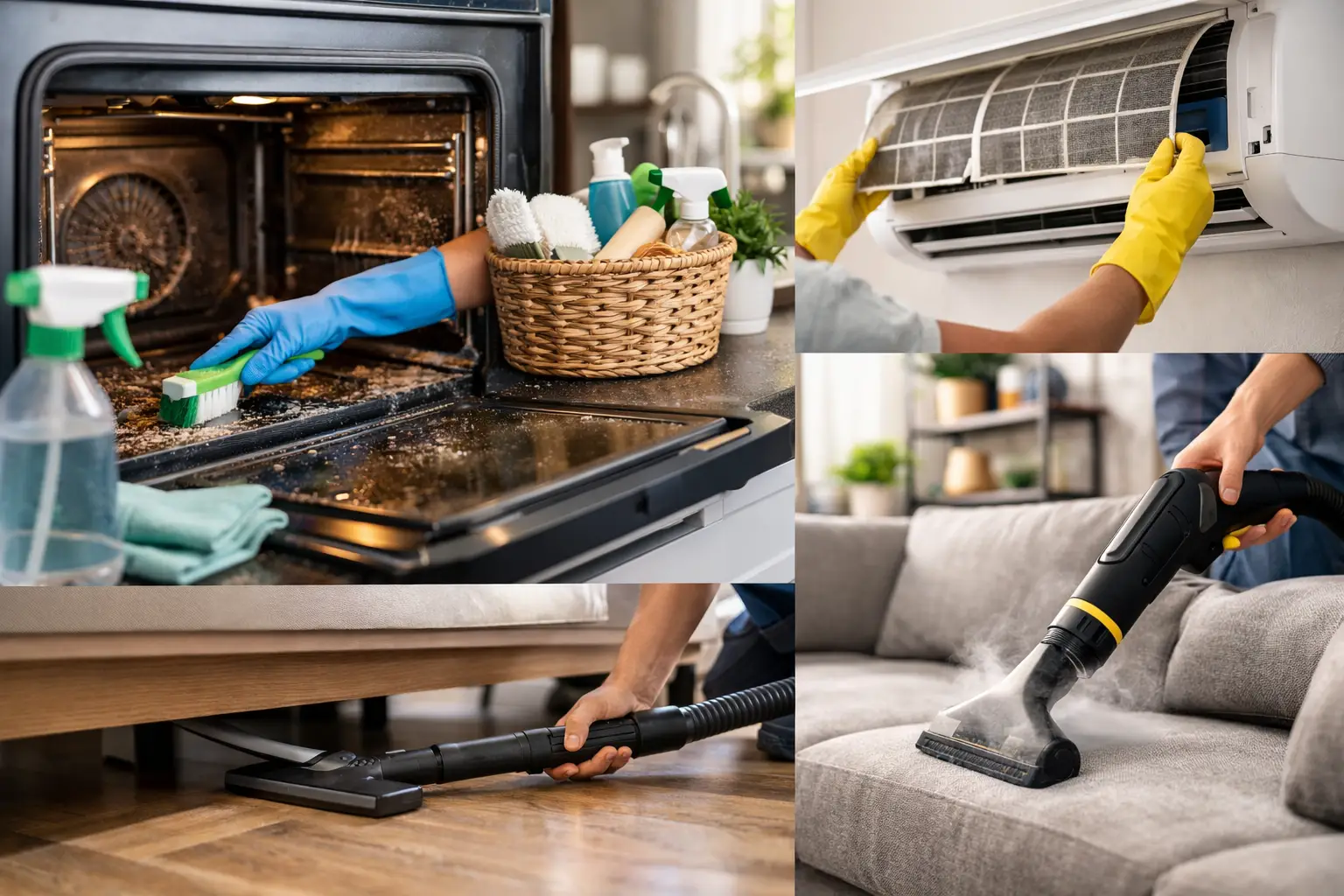
A good provider looks at three things first: what is being removed, what it is sitting on, and how quickly the area needs to be back in use. That helps determine whether the best option is low-moisture cleaning, extraction, degreasing, pressure washing, hand-detailing, or a recurring maintenance schedule.
There is always a trade-off. A deep cleaning can remove stubborn buildup and reset the space, but it may take more time and require after-hours access. A lighter recurring service keeps things under control more consistently, but it will not replace the need for occasional detailed work. In most facilities, the best results come from combining both.
Why eco-conscious products still matter in industrial settings
Some people assume industrial means harsh. In reality, many modern industrial cleaning solutions are chosen specifically because they clean effectively while being safer for indoor air, staff exposure, and everyday use. That matters in offices, mixed-use buildings, family-facing businesses, and any workplace where people spend long hours indoors.
Eco-conscious products are especially valuable in spaces that need regular cleaning rather than occasional heavy restoration. If a facility is cleaned weekly or several times a week, product choice affects residue, smell, comfort, and long-term surface wear. A dependable cleaning company should be able to explain what is being used, where it is being used, and why it is appropriate for that environment.
That does not mean every job can be handled with the same mild product. Some situations require stronger treatment. The key is controlled use, proper dilution, trained application, and a clear understanding of when a specialty product is justified.
Recurring service vs. one-time industrial cleaning solutions
A one-time deep clean is often the right move when a property has fallen behind, recently finished renovations, is changing tenants, or needs a fresh start before ongoing maintenance begins. It tackles the buildup that standard upkeep cannot quickly fix. This is especially useful for move-out cleanings, post-renovation projects, and seasonal reset work.
Recurring service is what protects that investment. Once floors, carpets, restrooms, shared surfaces, and high-touch areas are brought back to a strong baseline, scheduled cleaning helps keep the space from sliding backward. It is usually more affordable over time than waiting until conditions become obvious and urgent.
For property managers and business owners, recurring service also reduces guesswork. There is a set scope, a reliable schedule, and a clear expectation of what gets done each visit. That consistency is often just as valuable as the cleaning itself because it takes one more operational task off your plate.
What to look for in a cleaning provider
If you are comparing commercial or industrial-focused cleaning support, scope clarity should be near the top of the list. Vague promises sound nice, but they do not help when you need to know whether the service includes floor care, dust removal from fixtures, restroom sanitation, breakroom cleaning, carpet treatment, or post-project debris removal.
A dependable provider should be able to outline exactly what is included, what requires an add-on, and how they tailor service to the property. Trained and insured cleaners matter too, especially in active workplaces where timing, access, and care around equipment all matter. You want a team that can work thoroughly without creating disruption or uncertainty.
It also helps to choose a company that can handle more than one cleaning need. If the same provider can support routine commercial cleaning, carpet and upholstery cleaning, post-renovation cleanup, appliance cleaning, and exterior pressure washing when needed, scheduling becomes simpler and standards stay more consistent. That practical flexibility is one reason many local businesses prefer working with a full-service team such as Get It Done Cleaning Services rather than managing multiple vendors.
Common mistakes that cost businesses more later
The biggest mistake is waiting too long. Dirt, grease, and residue rarely stay cosmetic for long. They spread, stain, wear surfaces down, and make future cleanings more labor-intensive. What could have been handled with routine service often turns into a larger, more expensive job.
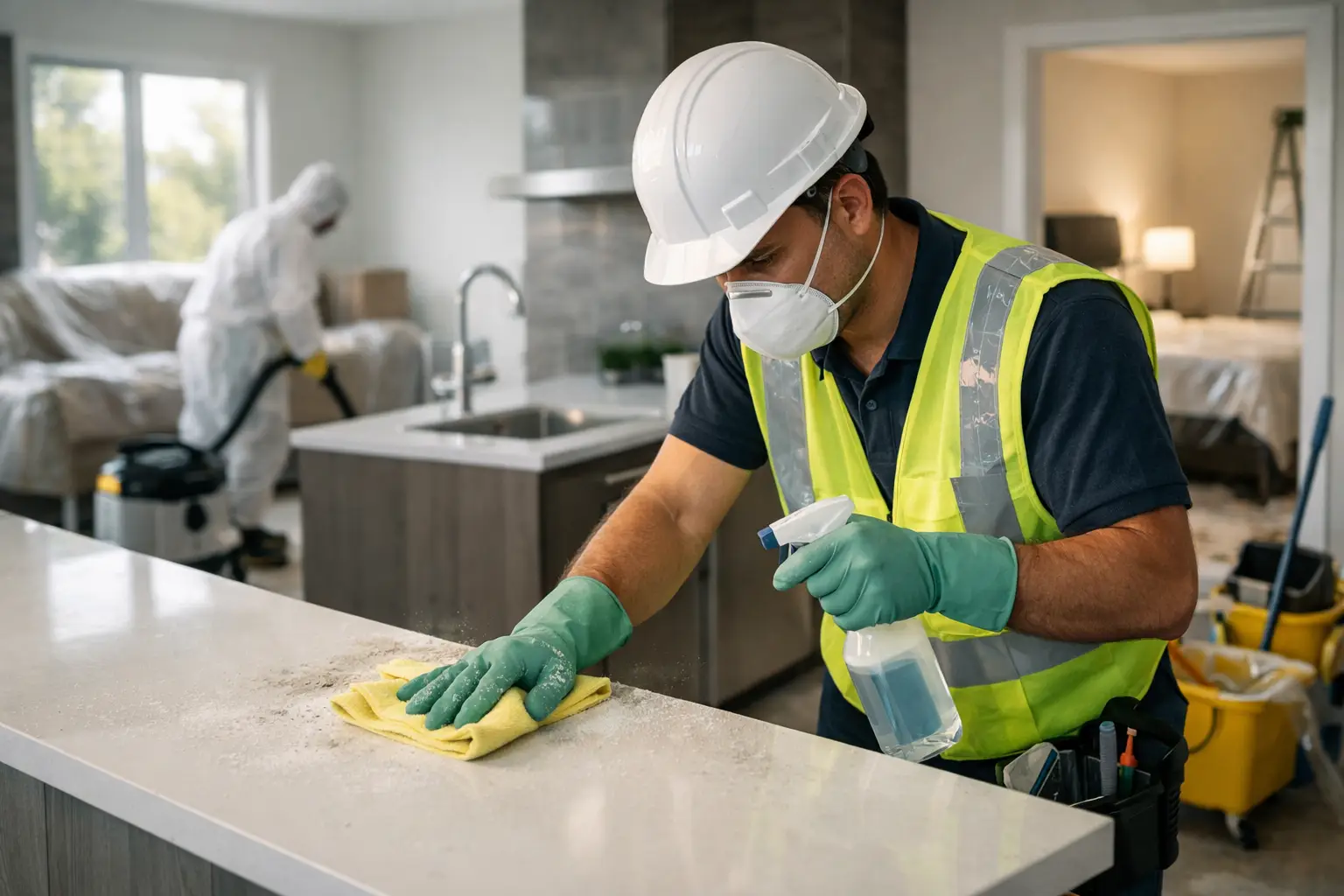
Another mistake is treating every area the same. High-traffic entryways need different attention than private offices. Restrooms need a different standard than storage areas. Renovation dust needs a more careful process than everyday dusting because it can settle into vents, trim, and soft surfaces if it is not removed properly.
The last mistake is choosing based on price alone. Budget matters, but cheap service with an unclear scope often leads to missed areas, inconsistent results, and repeated re-cleaning. Value comes from reliability, detail, and a plan that actually matches the space.
A practical way to decide what you need
Start by walking your space as if you were seeing it for the first time. Look at floors near entrances, corners in shared areas, washrooms, breakrooms, under furniture, and any place where dust or residue tends to collect. Then separate what needs immediate deep cleaning from what needs routine upkeep.
If your facility has been through construction, heavy traffic, staffing changes, or a busy season, a reset clean may make the most sense first. If the space is already in decent shape but hard to maintain consistently, recurring service is probably the smarter next step. In some cases, the right answer is a mix of both with specialty add-ons used only where needed.
Clean working environments are easier to manage, easier to present, and easier for people to trust. When industrial cleaning solutions are chosen carefully, they do more than improve appearance. They support a safer, healthier, more dependable space that works better for everyone who uses it.
If your cleaning needs have outgrown basic upkeep, that is usually a sign to stop patching the problem and put a real plan in place.