Sticker shock usually happens when a cleaning quote leaves out the why. One company gives you a low number, another comes in much higher, and suddenly the question is not just what do house cleaning services cost – it is what you are actually paying for.
The honest answer is that house cleaning prices vary based on size, condition, frequency, and scope. A quick maintenance clean for a tidy home will not cost the same as a first-time deep cleaning in a house with pet hair, built-up soap scum, and extra rooms that need attention. If you understand how pricing works, it becomes much easier to compare estimates and choose a service that gives real value.
What do house cleaning services cost on average?
For most homes in the U.S., standard house cleaning services often fall somewhere between $120 and $300 per visit. Smaller apartments and condos usually land at the lower end, while larger single-family homes tend to cost more. Deep cleaning, move-out cleaning, and post-project cleaning generally cost more because they involve more labor and more detail.
Some companies charge by the hour, while others price by the job. Hourly rates commonly range from about $25 to $60 per cleaner, but flat-rate pricing is often easier for customers because it ties the quote to the work being done rather than the clock. If a team sends two cleaners, the hourly total may look higher, but the work may be completed much faster.
There is no single national rate that fits every home. Local labor costs, demand, travel time, and the company’s service model all affect pricing. Insured, professional cleaning companies with trained staff, clear checklists, and eco-friendly products may charge more than an informal solo cleaner, but they also tend to offer more consistency and accountability.
Why prices vary more than people expect
When homeowners ask what do house cleaning services cost, they are often really asking why one quote is $150 and another is $280 for what sounds like the same service. In practice, the scope is rarely identical.
A standard cleaning usually covers kitchens, bathrooms, bedrooms, and common areas, including dusting, vacuuming, mopping, wiping surfaces, and general tidying of visible areas. A deep cleaning goes further into buildup and neglected detail work. That can include baseboards, doors, vents, light switch plates, hand-wiping reachable surfaces, scrubbing shower tile, and more attention behind or around furniture.
That difference matters. A home that gets cleaned every two weeks is easier to maintain than a home that has not been professionally cleaned in six months. The second home takes more time, more effort, and often more supplies.
Home size and layout
Square footage affects cost, but layout matters too. A compact 2,000-square-foot home with two bathrooms is not the same as a 2,000-square-foot home with four bedrooms, three bathrooms, stairs, and multiple living areas. More rooms usually mean more surfaces, more edges, and more time.
Bathrooms and kitchens also carry more weight in pricing because they are labor-heavy spaces. A larger home with several bathrooms can cost significantly more even if the living spaces are relatively neat.
Condition of the space
Cleaning companies price for current condition, not just square footage. If the home has heavy dust, grease buildup, hard water stains, pet accidents, or neglected floors, the quote will likely reflect that. This is not a penalty. It is a realistic estimate of labor.
First-time cleans often cost more than recurring visits for exactly this reason. The team has to reset the space before it becomes easy to maintain.
Frequency of service
Recurring service is usually more affordable per visit than one-time cleaning. Weekly service is often the lowest per-clean rate, followed by biweekly and then monthly. A one-time clean is typically the highest because the home has more time to accumulate dust, grime, and clutter between visits.
For busy families, pet owners, and working professionals, recurring cleaning often gives better value over time. The house stays in better shape, and each visit is more efficient.
Standard cleaning vs. deep cleaning vs. move-out cleaning
A big part of cost comes down to the type of service you book.
Standard cleaning is best for homes that are already in reasonably good condition and need ongoing upkeep. This is the maintenance option most people choose for weekly, biweekly, or monthly service.
Deep cleaning costs more because it is more detailed and more time-intensive. It is a smart choice for first-time service, seasonal resets, homes that have gone a while without professional cleaning, or households preparing for guests.
Move-in and move-out cleaning can cost even more, especially if the space needs interior cabinet cleaning, inside appliances, spot removal, or detailed sanitizing. These jobs are often time-sensitive and expect a high level of visible detail. Property managers and renters often choose them because the final presentation matters.
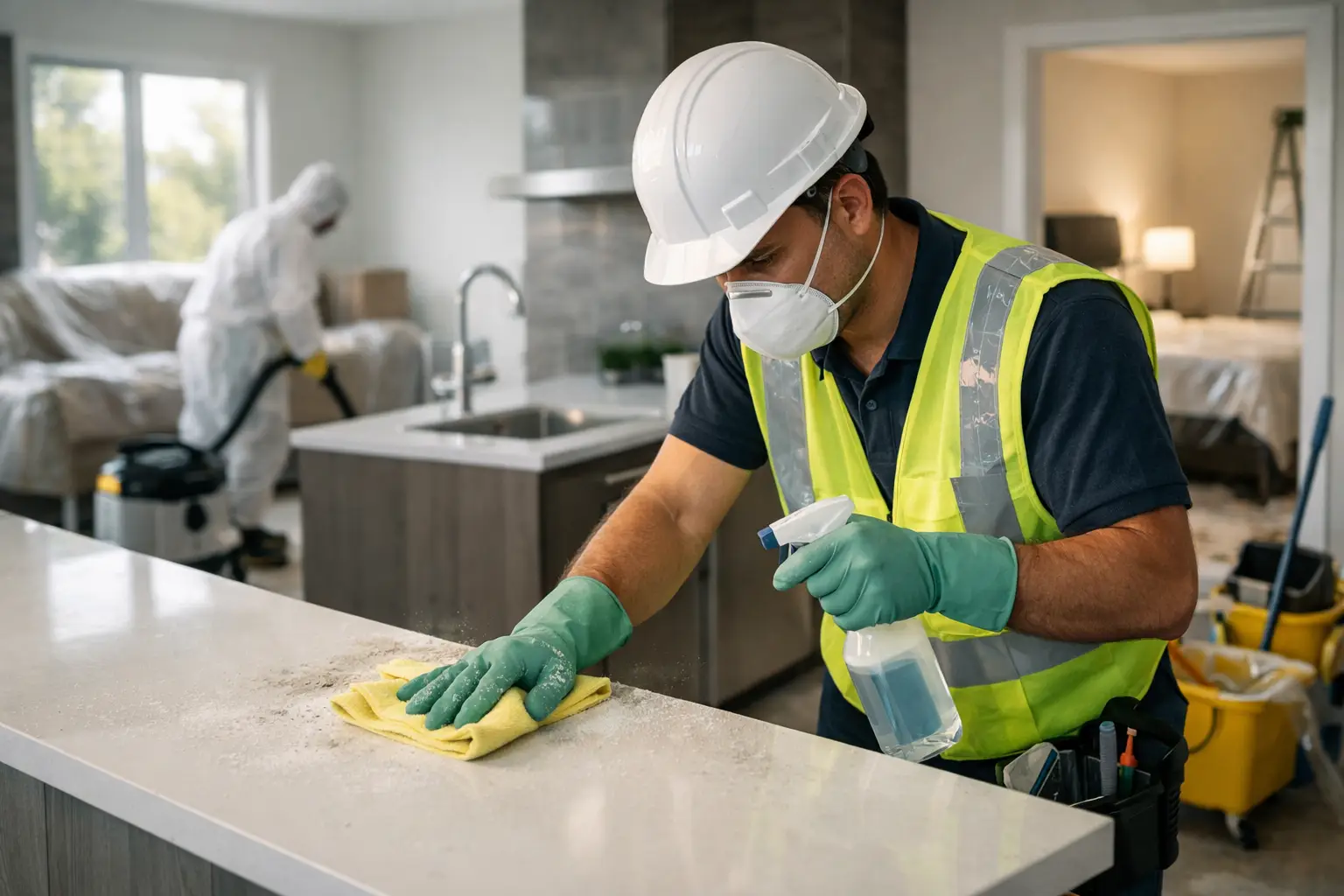
Post-renovation cleaning is another category where price can rise quickly. Fine dust travels everywhere, and cleaning after a project takes careful attention to surfaces, floors, trim, fixtures, and air-exposed areas.
Add-ons that change the quote
Two estimates can look similar until add-ons are included. Many house cleaning services price core cleaning separately from specialty tasks. That is normal, and it can actually make pricing more transparent.
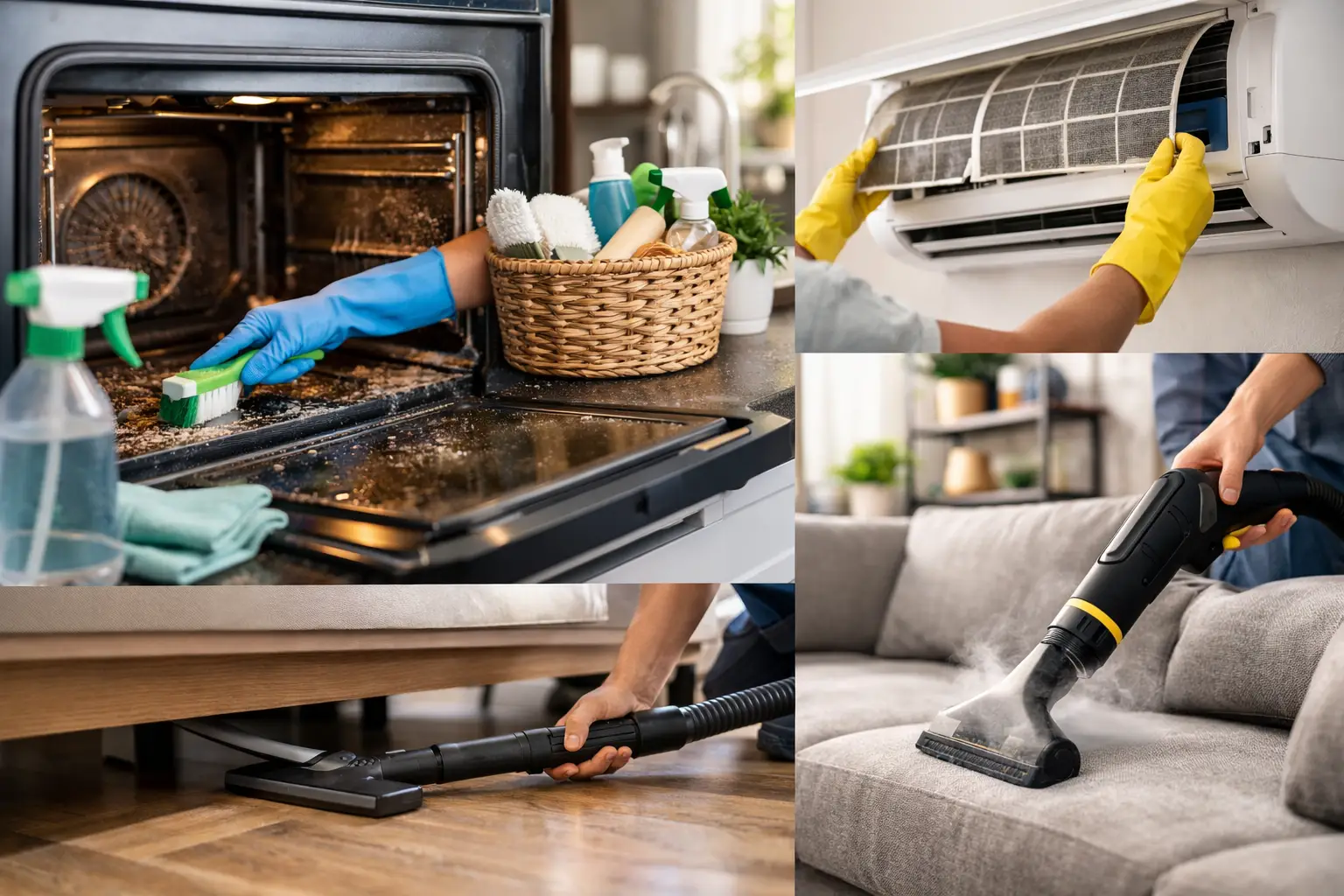
Common add-ons include inside the oven, inside the refrigerator, interior windows, wet wiping blinds, laundry, dishwashing, bed changing, wall spot cleaning, and detailed appliance cleaning. Carpet cleaning, upholstery cleaning, and pressure washing are usually separate services entirely because they require different equipment and processes.
If you are comparing companies, ask what is included in the base price and what is considered extra. A lower quote is not always a lower total once those items are added back in.
How companies build a quote
Professional cleaning companies usually quote in one of three ways: by square footage, by room count and condition, or by estimated labor time. Some use a mix of all three.
Flat-rate pricing is often the easiest for customers because it creates a clearer expectation. You know the price based on the agreed scope, and the cleaners know exactly what is included. That said, flat-rate pricing depends on honest information upfront. If a home is in much rougher condition than described, the company may need to adjust the quote.
This is one reason walkthroughs, photos, or detailed intake questions are useful. They help avoid surprises on both sides.
The cheapest quote is not always the best value
Price matters, but so does trust. If a company is insured, uses trained staff, follows a clear checklist, and shows up reliably, that has value beyond the number on the estimate. Cleaning is not just a purchase of time. It is access to your home or business, and the experience should feel secure and professional.
A very low quote may mean corners are being cut somewhere – rushed visits, inconsistent staffing, missing insurance, or vague scope. On the other hand, the highest quote is not automatically the best either. The goal is to find a company that is clear about what is included, respectful of your space, and consistent in the results.
For many customers, recurring discounts make the best balance of affordability and reliability. A company like Get It Done Cleaning Services, with structured service tiers and transparent scope, helps take the guesswork out of what you are paying for.
How to compare house cleaning prices fairly
When reviewing quotes, compare the actual service, not just the dollar amount. Ask whether the visit is standard or deep cleaning, whether supplies are included, whether bathrooms and kitchens get full-detail attention, and whether the company is insured. Also ask how long the visit is expected to take and whether the price is based on one cleaner or a team.
It also helps to ask how the company handles first-time cleans, pets, and special requests. If you need inside-appliance cleaning or move-out level detail, it is better to say that upfront than assume it is included.
A good quote should feel clear, not confusing. If you have to guess what is covered, you probably do not have enough information yet.
What should you budget for your home?
If you want a practical starting point, budget on the lower end for a smaller, well-kept apartment or condo needing standard cleaning. Budget in the middle range for an average family home with regular upkeep needs. Budget higher for larger homes, homes with multiple bathrooms, first-time cleanings, or any service that requires deep detail.
If your home has pets, kids, heavy use, or long gaps between cleanings, plan for a little more. If you are booking recurring service, ask whether there is a lower per-visit rate after the initial clean.
The right cleaning service should leave you with more than a tidy home. It should give you confidence that the work will be done thoroughly, safely, and on schedule. When a quote is clear about scope and built around your actual needs, the price makes a lot more sense.