A small office can look fine at 9:00 a.m. and feel worn out by Thursday afternoon. Fingerprints build up on glass, breakroom counters collect crumbs and coffee rings, and restrooms start sending the wrong message to staff and visitors. That is why commercial cleaning for small offices is less about appearances alone and more about keeping the space healthy, professional, and easy to work in every day.
For smaller teams, cleaning often falls into an awkward gap. The office is too busy to manage it in-house, but not large enough to justify a full-time janitorial setup. In practice, that usually means employees wipe down what they can, ignore what they cannot, and hope the space still feels presentable. It is not a great system, especially when first impressions, employee comfort, and daily sanitation all matter.
Why commercial cleaning for small offices matters more than people think
In a small office, every surface gets more concentrated use. A shared restroom, one kitchenette, a single conference room, and a handful of desks can handle the traffic of an entire team. When those spaces are not cleaned consistently, dirt and germs do not spread out across a large building. They stay right where everyone works.
That affects more than how the office looks. Dust buildup can make the air feel stale. Smudged entry glass and overflowing trash make the business seem less organized than it is. Shared-touch areas like door handles, light switches, phones, and breakroom appliances become easy places for mess and bacteria to linger.
There is also the employee side of it. People notice when an office feels cared for. Clean restrooms, wiped desks, fresh floors, and a tidy breakroom create a more comfortable place to focus. It signals that the business pays attention to details, and that matters whether you have five employees or twenty.
What small offices usually need cleaned
Most small offices do not need the same scope as a large corporate facility, but they do need consistency. The basics are often what make the biggest difference when done properly and on schedule.
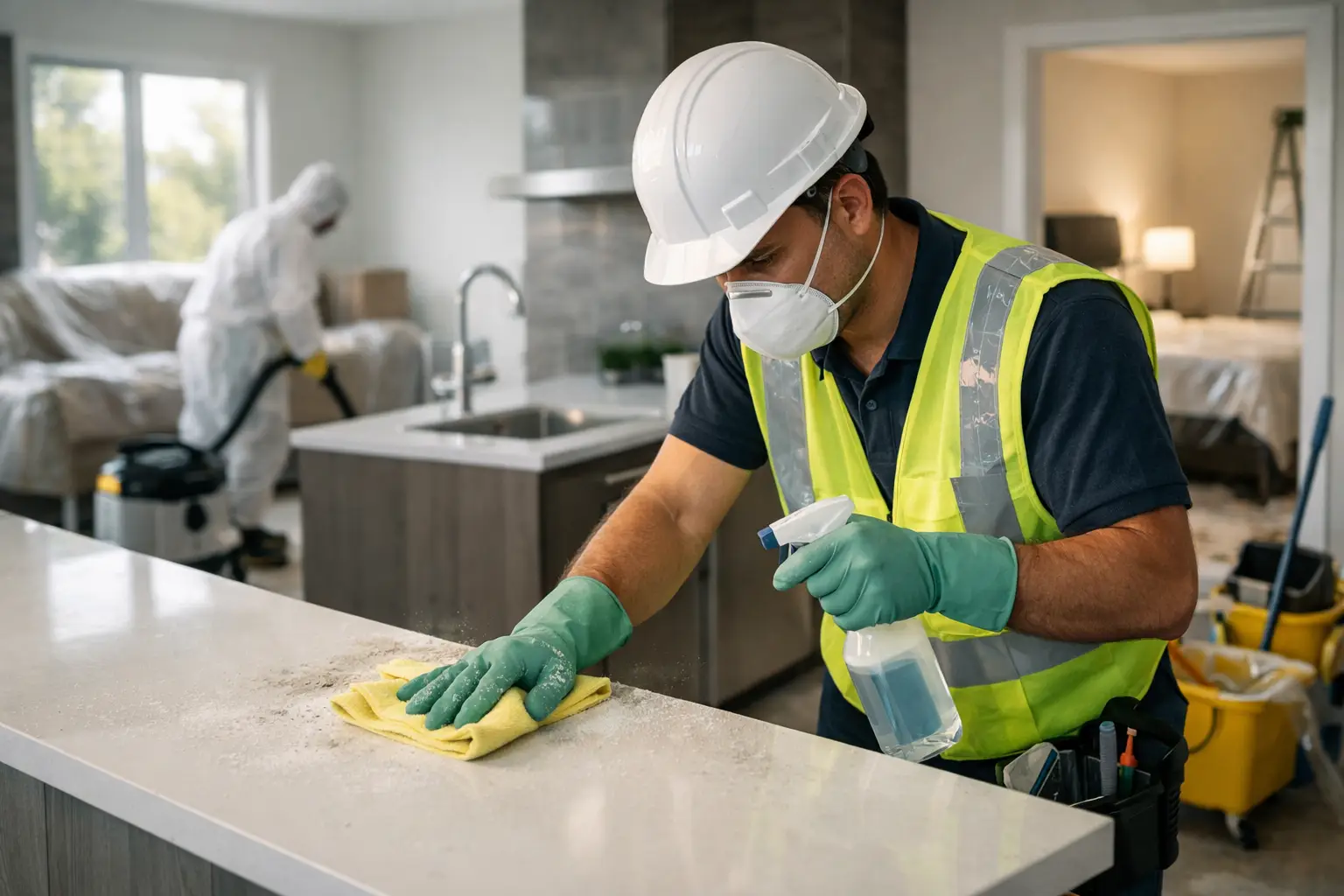
A typical service includes trash removal, vacuuming or mopping floors, dusting accessible surfaces, sanitizing restrooms, and cleaning breakroom counters and sinks. High-touch points should also be disinfected regularly, especially in shared spaces. Glass entry doors, interior glass panels, and reception surfaces are often worth extra attention because they shape the first impression right away.
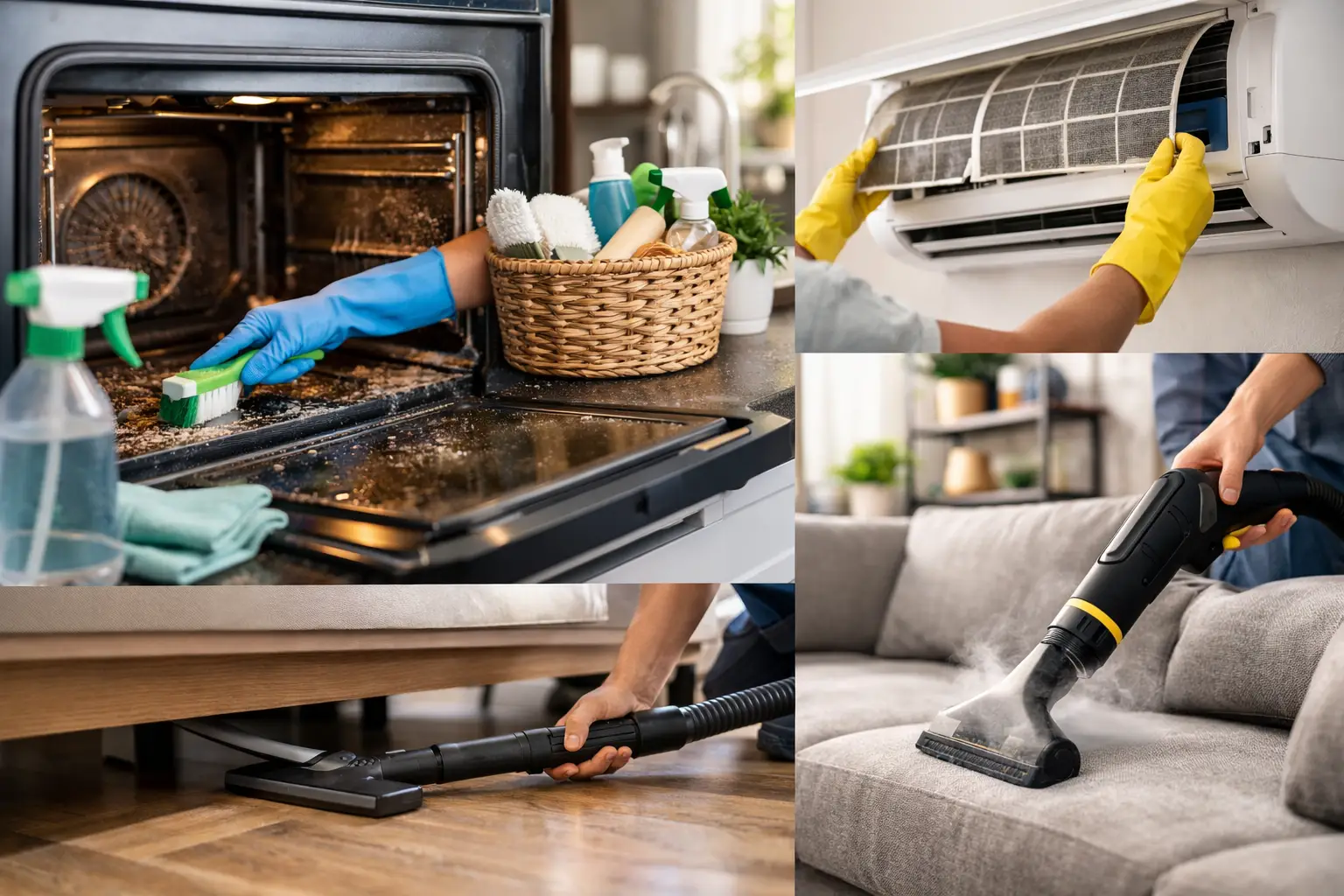
Some offices also need periodic deeper work. Carpet spotting, baseboard cleaning, interior window cleaning, upholstery care, and detailed dusting in corners or vents usually do not need to happen every visit, but they should not be ignored for months either. This is where a structured cleaning plan helps. Daily needs and deeper tasks are not the same thing, and treating them the same often leads to overspending in one area and neglect in another.
How often should a small office be cleaned?
It depends on the size of the office, the number of people using it, and the kind of work happening inside. A quiet administrative office with a small staff may do well with once- or twice-weekly service. A busier office with frequent foot traffic, shared workstations, or regular client visits may need cleaning three times a week or even daily for key areas.
The breakroom and restroom usually set the pace. If those areas get messy fast, the whole office can feel unclean even if the rest of the space is manageable. Floors are another clue. In wet seasons or high-traffic months, entrances and common walkways may need more frequent attention than usual.
A good provider will not push a one-size-fits-all schedule. The right frequency should reflect your office habits, not just a standard package. That keeps service practical and affordable while still protecting the look and function of the space.
What to look for in a cleaning company
Small office owners usually want the same things from a cleaning partner – reliability, clear scope, fair pricing, and confidence that the job will actually get done right. Those basics matter even more when the office is occupied by a tight team and there is no facility manager overseeing every detail.
Start with clarity. You should know what is included in each visit, what counts as an extra, and how often deeper tasks are recommended. Vague service descriptions tend to create frustration because everyone assumes something different. A visible checklist or service outline makes expectations clear from the start.
Insurance and training matter too. Even in a small office, cleaners may be working around electronics, confidential work areas, and shared staff spaces. You want a team that is professional, careful, and used to working efficiently without disrupting the business.
Eco-friendly products are worth asking about as well. In smaller offices, harsh chemical smells linger longer and can be distracting for staff. Products that clean effectively without overwhelming the space are a better fit for most workplaces.
Flexibility is another big one. Some businesses want after-hours service. Others need early morning cleaning before the team arrives. Some want recurring visits with occasional add-ons like carpet cleaning or post-project cleanup. A company that can adjust to those needs will usually provide better long-term value than one with a rigid setup.
The trade-off between in-house cleaning and professional service
Many small offices try to handle cleaning internally at first. On paper, it seems cheaper. In reality, it often means inconsistent results, lost staff time, and no clear standard for what “clean enough” actually means.
When employees clean, the obvious tasks get done first. Trash gets taken out. Counters get wiped if someone notices. But low-level dusting, restroom sanitizing, floor edges, and touchpoint disinfection tend to slip. Nobody is really assigned to own the process, and that usually shows.
Professional cleaning costs more than asking staff to pitch in, but it also creates a dependable routine. The office stays cleaner without pulling employees away from the work they were hired to do. For many small businesses, that trade-off makes sense quickly, especially once client-facing appearance and employee expectations are part of the equation.
How recurring service saves money over time
One-time cleanings can help when an office has fallen behind, but recurring service is usually the smarter long-term move. It prevents buildup, keeps tasks manageable, and reduces the need for frequent intensive resets.
When a cleaner sees the office regularly, small issues are handled before they become bigger ones. Restrooms stay under control. Floors last longer with proper care. Dust does not get the chance to collect in layers. The office simply stays easier to maintain.
Recurring service also helps with budgeting. Instead of reacting to mess after complaints or before an important meeting, you have a predictable plan in place. For small businesses trying to control operating costs, that consistency matters.
Commercial cleaning for small offices should feel tailored, not oversized
One common concern among small business owners is paying for a service model built for much larger buildings. That concern is fair. Small offices need professional results, but they do not need bloated service plans full of tasks that do not apply to their space.
A better approach is to build service around the office itself. How many restrooms are there? Is there carpet or hard flooring? Do clients visit often? Is the breakroom heavily used? Are there private offices, open desks, or both? Those details shape the plan.
A dependable provider will help you match the cleaning schedule and task list to your actual needs. That keeps the service efficient without cutting corners. Companies like Get It Done Cleaning Services stand out when they pair detailed execution with flexible scheduling, because that is exactly what smaller workplaces usually need – clear scope, reliable follow-through, and no wasted effort.
Signs your office cleaning plan is not working
You do not need a major problem to know something is off. If trash is being emptied but surfaces still feel dusty, the plan may be too basic. If staff are quietly restocking supplies, wiping counters, or cleaning the restroom themselves, the cleaning scope may not match real usage. If the office only looks good right before an important visit, the schedule is probably not frequent enough.
Another sign is odor. Small offices should not smell dirty. Lingering restroom odors, stale breakroom smells, or musty carpet usually mean something is being missed consistently. Appearance matters, but smell is often the first thing people notice.
The fix is not always more cleaning. Sometimes it is better cleaning, or a clearer checklist, or adding targeted tasks instead of increasing every visit. That is why honest assessment matters more than selling the biggest package.
A clean office should make the workday easier, not become another thing you have to manage. When your cleaning service fits the size of your space, your team can focus on the business in front of them and trust that the details are being handled properly.