A kitchen can look fine at a glance and still be carrying a week of fingerprints, crumbs, pet hair, and dust in all the places that wear you down over time. That is where a solid residential cleaning service guide helps. If you are trying to decide whether to book a one-time clean, set up recurring service, or add a deep cleaning before a move or special event, the right choice usually comes down to your home, your schedule, and how much support you actually need.
For most households, the biggest mistake is not hiring help. It is hiring the wrong level of help. A standard recurring clean is great for maintenance, but it will not always catch the built-up grime behind toilets, inside appliances, or along baseboards. On the other hand, booking a deep clean when your home only needs light upkeep can mean paying for more labor than necessary. The goal is not just a cleaner home. It is choosing a service scope that matches the real condition of your space.
How to use this residential cleaning service guide
Start by thinking about your home in practical terms, not ideal terms. How many people live there? Are there pets? Does anyone work from home? Are bathrooms and kitchen surfaces getting cleaned often enough to stay sanitary, or are they just being wiped down when there is time? A cleaning service works best when it fills the gap between what your household can realistically maintain and what you want your home to feel like week after week.
If your home is mostly under control but constantly slips back into light mess and dust, recurring cleaning is usually the most efficient option. If things have gotten away from you after a busy season, illness, travel, or a renovation, a deep or specialty service may be the better starting point. That is why professional companies often build around clear service tiers. The difference matters, and it affects both results and cost.
Standard cleaning vs deep cleaning
A standard residential cleaning is meant to maintain a home that is already in decent shape. Expect surface-level dusting, vacuuming, mopping, bathroom sanitizing, kitchen wipe-downs, and general tidying of visible areas. This is the service many busy families and working professionals choose on a weekly, biweekly, or monthly basis because it keeps the home consistently presentable without requiring them to spend weekends catching up.
Deep cleaning goes further. It is designed for buildup, not just upkeep. That often means more attention to baseboards, doors, trim, reachable vents, shower grime, heavy kitchen grease, and areas that are easy to overlook during routine cleaning. If you have not had professional cleaning in a while, starting with a deep clean and then moving to recurring maintenance usually makes more sense than jumping straight into a lighter service.
There is a trade-off here. Deep cleaning costs more because it takes more time, more labor, and more detail work. But when the home needs it, standard service may feel underwhelming because it is not built to solve long-standing buildup.
When specialty services make more sense
Not every home cleaning need fits into a regular checklist. Move-in and move-out cleaning, post-renovation cleaning, carpet and upholstery cleaning, appliance cleaning, and pressure washing all solve specific problems that general house cleaning does not fully cover.
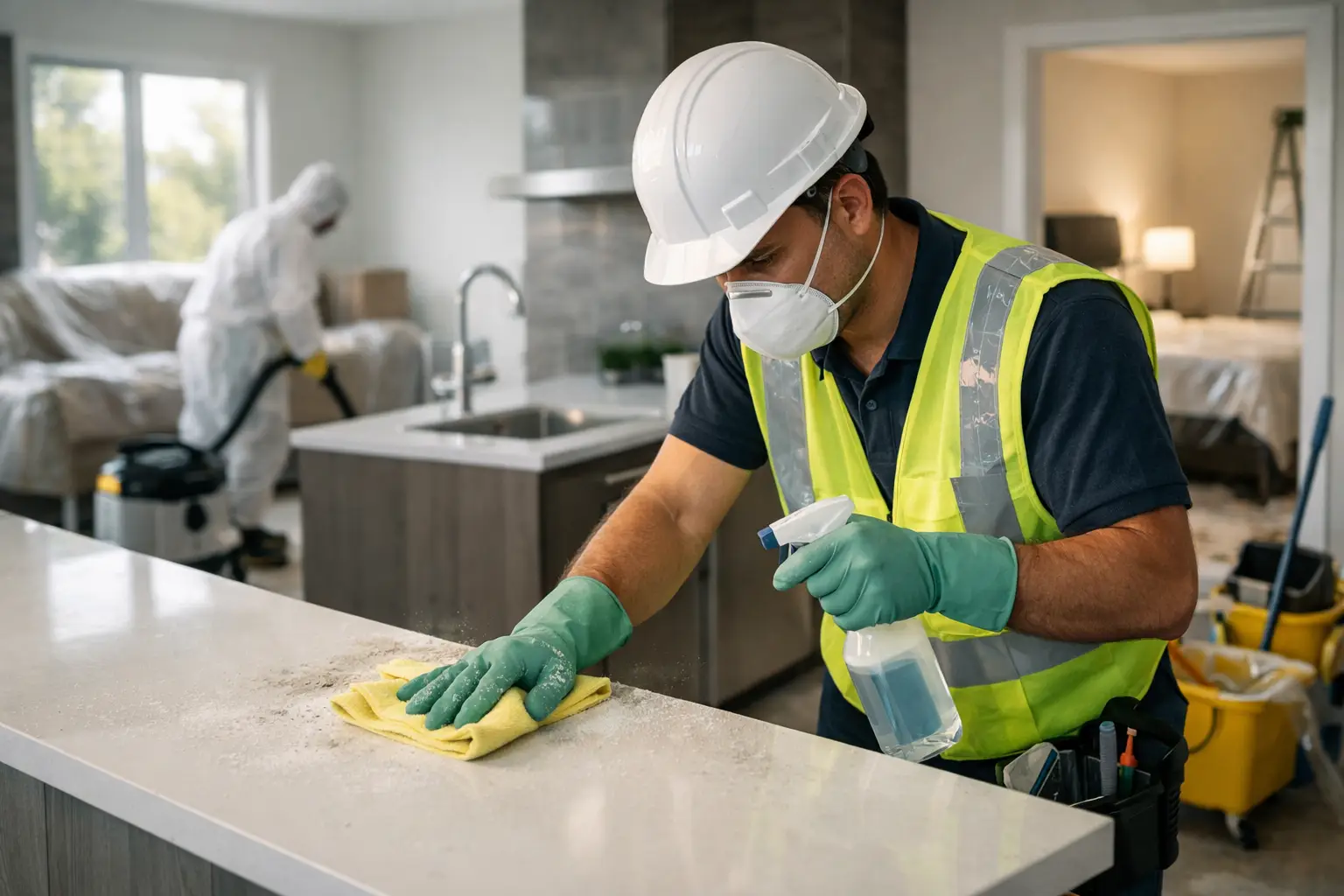
Move-related cleaning is usually about detail and timing. Landlords, tenants, sellers, and buyers often need a property cleaned to a higher standard because empty spaces reveal everything – wall marks, cabinet crumbs, soap residue, and dust in corners. Post-renovation cleaning is different again. Construction dust spreads farther than most people expect, and it settles on trim, fixtures, vents, floors, and inside cabinets.
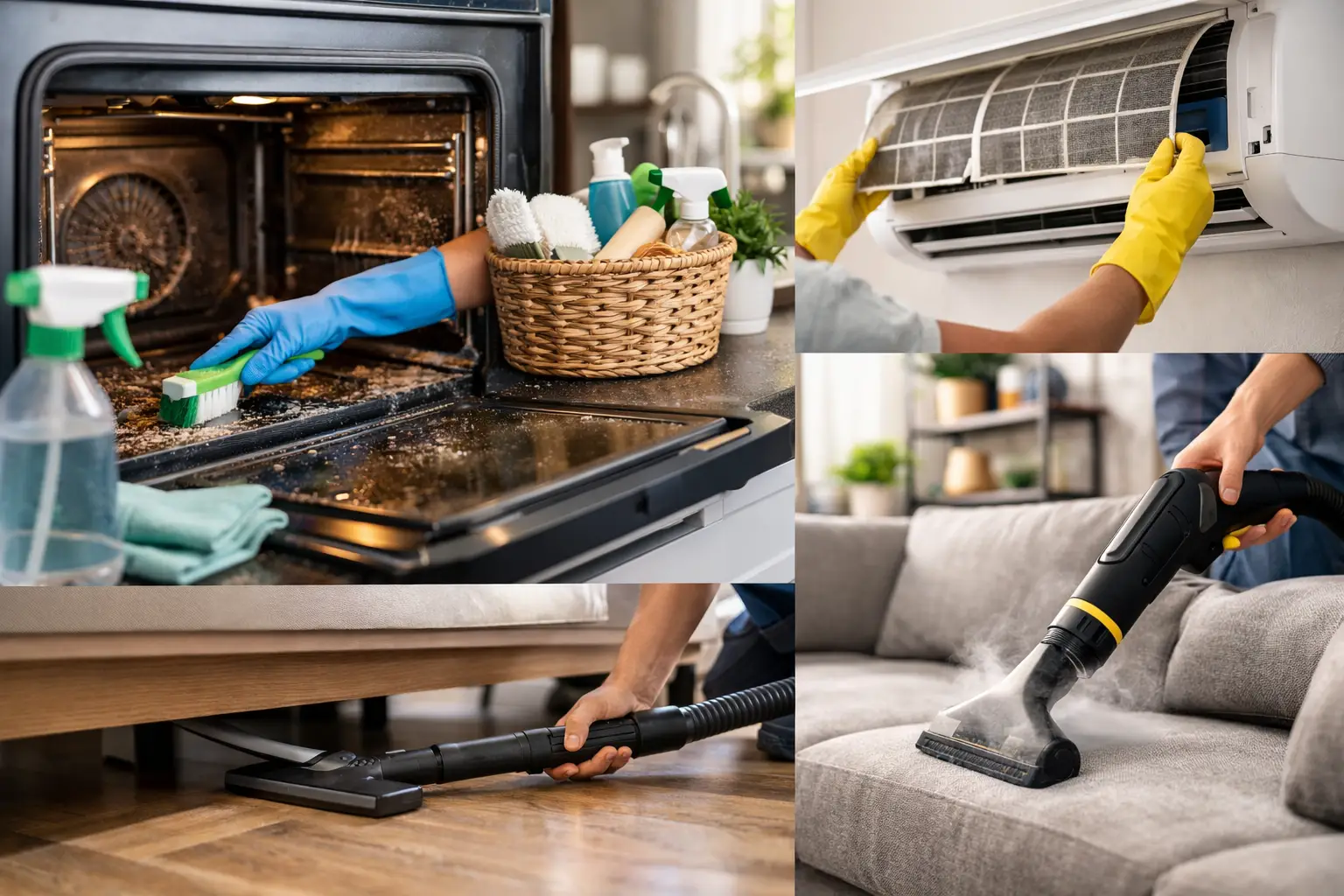
Specialty service is worth considering when the issue is not general mess but a particular type of residue, transition, or material. Carpet cleaning, for example, helps with odors, traffic lanes, and trapped dirt that vacuuming alone cannot remove. Appliance cleaning is ideal when grease, spills, and food residue have built up inside ovens or refrigerators. These are not always add-ons. Sometimes they are the main job.
What affects the price of residential cleaning
Homeowners often look for a single flat number, but residential cleaning is usually priced around labor, time, and scope. Square footage matters, but it is not the only factor. A smaller home that has not been cleaned in months can take longer than a larger home that has been maintained consistently.
The biggest pricing variables are the condition of the home, the number of bathrooms and kitchens, whether pets are present, how often service is scheduled, and whether extras are needed. Recurring service often lowers the per-visit cost because cleaners are maintaining a baseline instead of rebuilding one each time. One-time service tends to cost more per appointment because the workload is less predictable.
Transparent companies explain what is included and what counts as an extra. That matters because vague quotes can create frustration on cleaning day. If interior windows, inside appliances, heavy buildup, or post-construction dust are involved, that should be clearly discussed up front.
What to expect from a professional service
A professional residential cleaning company should make the process easier, not more confusing. Clear communication matters as much as the cleaning itself. You should know what service you booked, what areas are included, whether supplies are provided, and if the team is trained and insured.
Checklists are a good sign. They show that the company has a defined process rather than leaving results to chance. Structured service levels are also helpful because they reduce the common mismatch between what a customer expects and what the cleaners were assigned to do.
Eco-friendly products are another practical advantage for many households, especially homes with children, pets, or sensitivities to harsh chemical smells. That does not mean every product is mild to the point of being ineffective. It means the company is making thoughtful choices that support both cleanliness and a healthier indoor environment.
How to prepare before cleaning day
You should not have to clean before the cleaners arrive, but a little preparation helps the team focus on actual cleaning instead of sorting through clutter. Picking up laundry, toys, paperwork, and dishes gives better access to surfaces and floors. If there are areas you want prioritized, note them ahead of time.
It also helps to be honest about the condition of the home. If pet accidents, soap scum, hard water stains, or heavy grease are part of the job, say so early. A good company would rather plan accurately than promise too much and rush through a difficult clean.
If it is your first appointment, expect some adjustment. The first visit often takes longer because the team is learning the home and dealing with anything that has built up between cleanings. Once a recurring schedule is in place, results are usually easier to maintain.
Choosing the right frequency
Weekly cleaning works well for busy households, larger families, homes with pets, and anyone who wants the least amount of day-to-day upkeep. Biweekly service is the most common middle ground because it keeps dust, bathrooms, and kitchen mess from getting out of hand without feeling excessive.
Monthly cleaning can work for smaller households or people who already do some regular maintenance themselves, but it depends on lifestyle. If the home gets heavy use, monthly visits may feel more like resets than maintenance. In that case, biweekly service often delivers better value because the home stays cleaner between appointments.
The right schedule is the one that prevents buildup. If every visit starts with catching up on overdue work, the frequency is probably too low.
How to choose a company you can trust
The best provider is not always the cheapest quote. Reliability, insurance, service clarity, and consistent detail matter more over time than saving a small amount on a single visit. Look for a company that explains its services clearly, arrives prepared, and treats your home with care.
This is where a local provider can stand out. A company like Get It Done Cleaning Services builds trust by offering visible service structure, trained and insured cleaners, eco-conscious products, and flexible scheduling that fits real households instead of forcing customers into a one-size-fits-all package.
A trustworthy company should also be realistic. Not every home needs every service, and not every issue can be fixed in one short appointment. Honest recommendations are a better sign than overselling.
A clean home is not about perfection. It is about making daily life feel lighter, healthier, and easier to manage. The right service should do exactly that – without making you guess what you are paying for or whether the results will hold up after the first visit.