A clean home usually does not fall apart all at once. It happens in smaller ways – dust on baseboards, bathroom buildup, floors that never quite stay ahead of shoes, pet hair, cooking grease, fingerprints, and clutter settling into the background. That is exactly why many people ask how recurring cleaning plans work. They are built to keep a space consistently clean before mess turns into a bigger, more time-consuming job.
For busy households, renters, property managers, and business owners, recurring cleaning is less about luxury and more about staying on top of the basics without having to reset everything every weekend. The idea is simple, but the details matter. Frequency, scope, pricing, and expectations all shape whether a plan feels useful or frustrating.
How recurring cleaning plans work in real life
At the most basic level, a recurring cleaning plan is a scheduled service that repeats on an ongoing basis. Instead of booking one visit at a time, you choose a cleaning frequency that matches your space and your routine. Most plans are weekly, biweekly, or monthly, though some customers need more customized timing.
The first visit is often different from the cleanings that follow. If a home has not been professionally cleaned in a while, the initial appointment may take longer because the team is catching up on buildup in kitchens, bathrooms, floors, and high-touch surfaces. After that, recurring visits are meant to maintain the standard that was established.
That maintenance approach is what makes recurring cleaning effective. A cleaner returning on a regular schedule can spend more time preserving results and less time fighting layers of neglected dirt. In practical terms, that often means better consistency, more predictable visit lengths, and a clearer understanding of what your space needs.
What is usually included in a recurring cleaning plan?
Most recurring plans focus on the areas that affect how a space looks, feels, and functions every day. In a home, that usually includes kitchens, bathrooms, living areas, bedrooms, and common surfaces. Dusting, vacuuming, mopping, wiping counters, cleaning sinks, sanitizing toilets, and taking care of visible buildup are standard expectations.
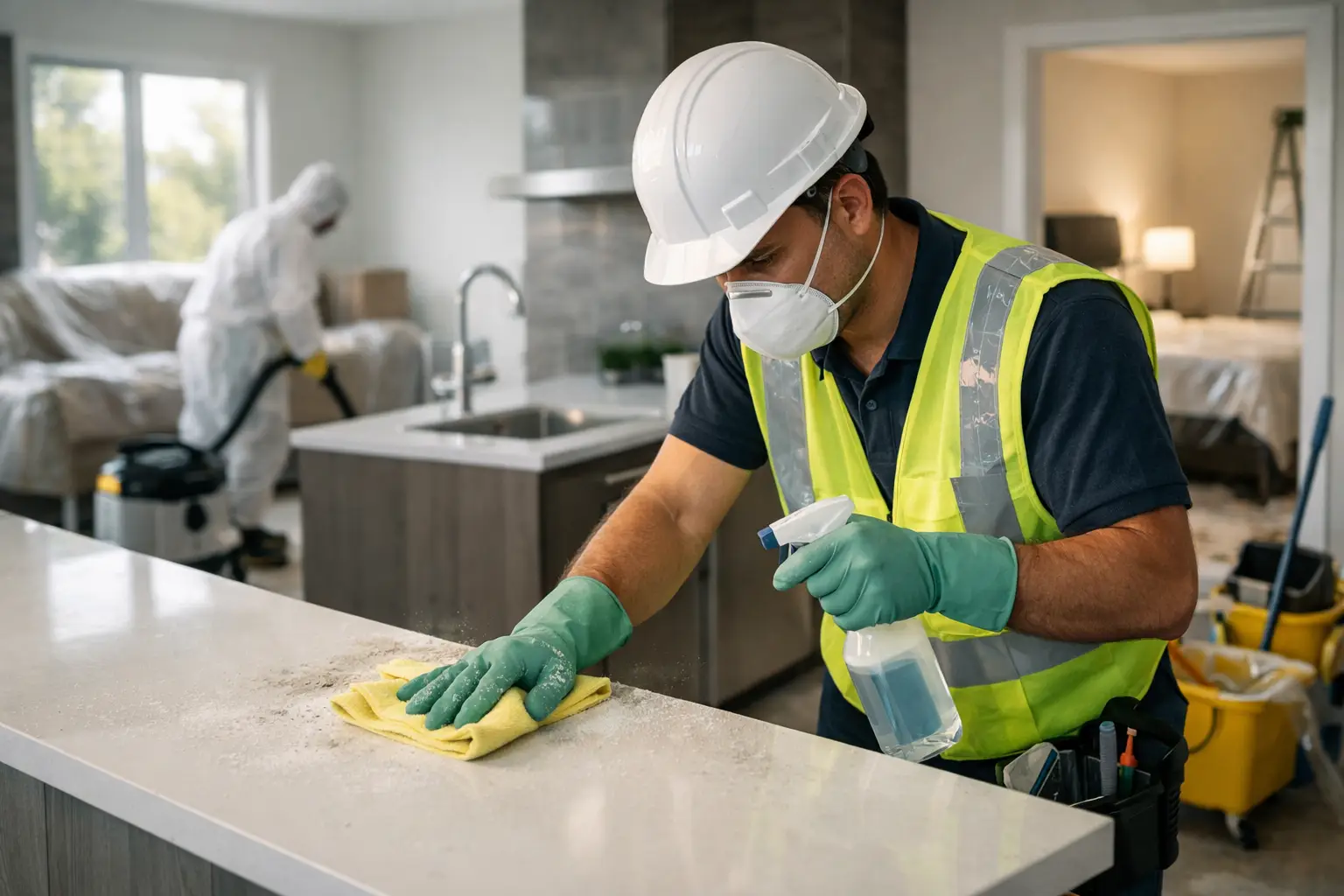
For business settings, the focus may shift slightly toward presentation and sanitation. Entry areas, workstations, break rooms, floors, and restrooms tend to be the priority. A recurring plan helps keep the workplace ready for staff, customers, or tenants without relying on employees to manage cleaning tasks themselves.
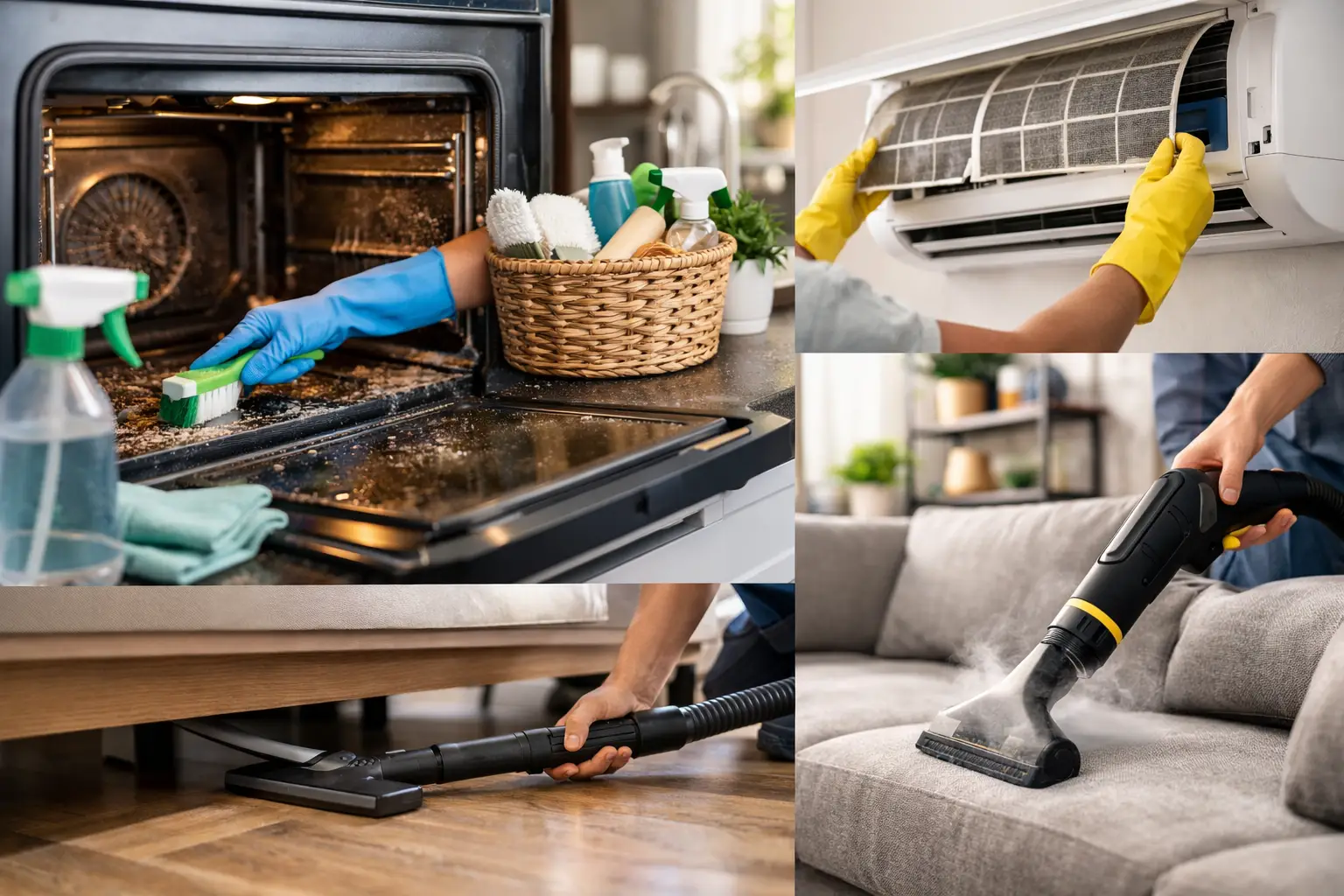
Not everything is automatically included every time, and this is where good cleaning companies stand apart. A strong recurring plan should be tied to a clear checklist so customers know what is covered, what rotates, and what counts as an add-on. Inside oven cleaning, interior windows, baseboard detailing, carpet shampooing, appliance interiors, or post-renovation dust removal are often separate services rather than standard maintenance items.
That does not mean they are hard to get. It just means recurring cleaning works best when the regular visit is built around upkeep, while specialty tasks are scheduled when needed.
Choosing the right cleaning frequency
The best schedule depends on how quickly your space gets dirty and how much tolerance you have for that in-between stage. A weekly plan makes sense for larger families, homes with pets, busy bathrooms, or commercial spaces with daily foot traffic. It is also a good fit for anyone who wants their space to stay consistently polished with minimal buildup.
Biweekly service is often the most balanced option. It keeps dust, grime, and floor mess under control without the cost of weekly visits. For many households, this is the point where cleaning support feels practical and affordable rather than occasional.
Monthly cleaning can still help, but it tends to be better for smaller homes, lighter-use spaces, or customers who handle some upkeep themselves between visits. If your home gets messy quickly, a monthly schedule may start to feel more like repeated catch-up than true maintenance.
There is no universal answer. A pet owner in a small apartment may need more frequent service than a single professional in a larger condo. A medical office has very different needs than a quiet back-office workspace. The right plan is the one that matches the real pace of your space.
How pricing is usually set
Recurring cleaning plans are generally priced based on the size of the property, the condition of the space at the start, the level of detail required, and how often the cleaning takes place. More frequent service often comes with better per-visit value because the cleaners are maintaining the space rather than restoring it each time.
That is why recurring-clean discounts are common. If a company can count on regular scheduling, route planning is easier and the work becomes more predictable. Customers benefit from that through better rates and more reliable appointment availability.
The cheapest plan is not always the best value, though. If the scope is vague or too limited, you may end up paying extra for tasks you assumed were included. A dependable company will explain what is covered, what is optional, and whether the first cleaning is priced differently from follow-up visits.
Why the first cleaning often takes longer
One of the biggest misunderstandings around recurring service is assuming every visit looks the same from day one. In reality, the initial cleaning often sets the baseline. If soap scum, grease, dust, or floor grime has built up over time, the cleaners need time to bring the space to a maintainable condition.
Once that baseline is established, future appointments are usually smoother. The team already knows the layout, understands the priorities, and can focus on preserving the standard. That is part of what customers are really paying for with recurring service – not just a clean space, but a system that keeps the space from slipping backward.
How to know if a recurring plan is a good fit
Recurring cleaning makes the most sense when cleanliness matters to you, but time, energy, or staffing does not consistently allow for it. For homeowners, that often means reducing stress and freeing up weekends. For renters, it can mean keeping a place in good shape without letting chores pile up. For property managers and business owners, it means dependable presentation and sanitation without constant oversight.
It is also a strong fit for households with allergy concerns, pets, children, or heavy day-to-day use. Regular removal of dust, hair, and surface grime can help a space feel healthier and easier to live in.
Still, recurring service is not identical for every customer. Some people want the same checklist every time. Others want a maintenance plan with occasional deeper add-ons. The best results usually come from being clear about priorities from the start, especially if there are problem areas like hard-water buildup, pet hair, high-traffic floors, or busy restrooms.
What to ask before you book
If you are comparing providers, look beyond the headline price. Ask whether cleaners are trained and insured, whether eco-friendly products are available, and how the company handles quality control. A clear service checklist matters more than broad promises.
It also helps to ask how scheduling works. Can you keep the same day and time? What happens if you need to reschedule? Are supplies included? Is there a separate charge for the first visit? These practical details shape the experience more than marketing language does.
For customers who want dependable support, consistency is everything. A recurring plan should reduce mental load, not create extra follow-up. That is why companies like Get It Done Cleaning Services focus on structured service tiers, visible checklists, and reliable scheduling. People want to know what they are getting and trust that it will be done thoroughly.
How recurring cleaning plans work best over time
The real value of recurring cleaning is cumulative. One visit can make a space look better. A consistent plan changes how the space is maintained, how quickly mess builds up, and how much effort it takes to stay comfortable in it.
Over time, that can mean fewer deep-clean emergencies, less stress before guests arrive, cleaner floors under constant foot traffic, and bathrooms and kitchens that stay manageable instead of becoming weekend projects. For commercial spaces, it can mean a more professional environment and fewer sanitation concerns slipping through the cracks.
A good recurring plan should feel straightforward. You choose the frequency, confirm the scope, set expectations, and let the routine do its job. If the service is reliable and the checklist is clear, recurring cleaning stops feeling like another task to manage and starts feeling like one less thing to worry about.
If you are considering it, the smartest approach is to think honestly about how your space is used, where mess builds up fastest, and how often you want to reset it. The right plan is not the one with the most services on paper. It is the one you can stick with and trust to keep your home or workplace in good shape week after week.