
Most move-out problems are not about the big messes. They come from the details people miss when they are tired, short on time, and trying to beat a deadline. A solid move out cleaning checklist helps you stay organized, protect your security deposit, and leave the property in the kind of condition landlords, buyers, and property managers expect.
This is not just about making a place look decent for a final walk-through. Move-out cleaning is about showing that the home has been properly cleared, sanitized, and reset. That matters whether you are a renter hoping for a full deposit return, a homeowner listing a property, or a property manager preparing for the next tenant.
Why a move out cleaning checklist matters
When people clean before moving, they usually focus on what is visible at eye level. Countertops get wiped. Floors get vacuumed. Trash gets removed. Then the inspection happens and the problems show up fast – grease inside the oven, dust on baseboards, grime behind the toilet, fingerprints on doors, and leftover debris in cabinets.
That is why a checklist matters. It gives structure to a job that can easily turn into rushed, uneven cleaning. It also helps you prioritize areas that are commonly reviewed during inspections. In many cases, those details are exactly what decide whether a property feels move-in ready or still needs work.
There is also a time factor. Moving day already includes packing, loading, paperwork, and key handoff. If cleaning is left until the last few hours, quality usually drops. A checklist helps break the work into manageable parts so nothing important gets skipped.
Before you start cleaning
The best move-out cleaning happens after furniture and boxes are gone. Empty rooms make it easier to see dust, wall marks, and floor damage. They also let you clean corners, baseboards, closets, and appliances properly.
Before you begin, gather a vacuum, mop, microfiber cloths, scrub brushes, glass cleaner, disinfectant, degreaser, and garbage bags. If the property has carpet stains, heavy soap buildup, or baked-on kitchen grime, standard supplies may not be enough. That is often the point where professional help saves time and improves the final result.
Take photos once the property is empty and again after cleaning. That extra step can help if there is any question later about the condition of the space.
Room-by-room move out cleaning checklist
A room-by-room approach keeps the job practical. It is easier to finish thoroughly when you work top to bottom and space by space.
Kitchen
The kitchen usually takes the most time because it collects grease, food residue, crumbs, and hidden buildup. Start with cabinets and drawers. Empty them fully, vacuum out loose debris, and wipe all interior and exterior surfaces. Pay attention to handles, edges, and the upper surfaces where dust and grease can settle together.
Clean countertops, backsplash, and sink thoroughly. The sink should be scrubbed, rinsed, and dried, with the faucet polished and drains cleared of debris. If there is a garbage disposal, it should be cleaned and deodorized.
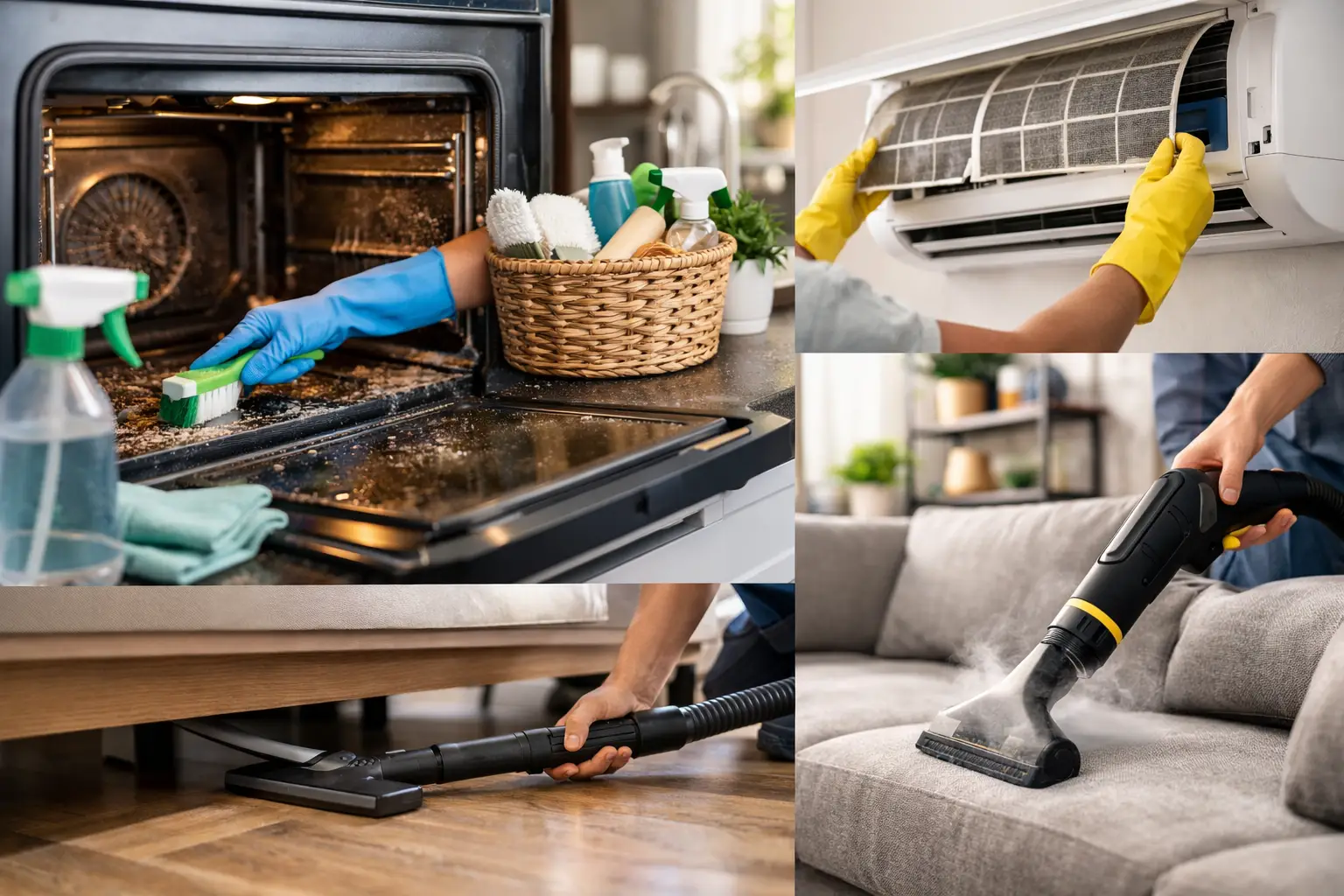
Appliances deserve close attention. The refrigerator should be emptied, shelves removed if needed, and all interior surfaces wiped down. Do not forget the rubber seals and handles. The oven and stovetop should be degreased inside and out, including burner grates, knobs, and the area behind the range if it is accessible. The microwave should be cleaned inside, outside, and underneath if mounted.
Finish by wiping light switches, doors, trim, and baseboards, then sweep and mop the floor.
Bathrooms
Bathrooms are another inspection hotspot. Even a clean-looking bathroom can fail expectations if there is soap scum, hard water staining, or hair left behind.
Scrub the toilet completely, including the base and the area behind it. Clean the shower or tub walls, fixtures, doors, and tracks. If there is glass, remove water spots and residue. Sinks and vanities should be disinfected and polished, with drawers and cabinets wiped inside and out.
Mirrors need a streak-free finish. Vents, towel bars, switches, and baseboards should be dusted or wiped down. End by sweeping and mopping the floor, especially around corners and behind the door where dust collects.
Bedrooms and living areas
These rooms look simpler, but they still need detailed work. Dust ceiling fans, vents, blinds, window sills, trim, and baseboards. Wipe doors, door frames, light switches, and closet shelves. Any visible marks on walls should be spot-cleaned carefully, though aggressive scrubbing can damage paint, so this is one of those areas where it depends on the wall finish.
Windows should be cleaned on the inside if that is part of your lease or sale preparation. Floors should be vacuumed thoroughly, including edges and closets. Hard floors should be swept and mopped.
If carpet has stains, odors, or heavy wear patterns, basic vacuuming may not be enough. Professional carpet cleaning can make a noticeable difference, especially in homes with pets or high traffic.
Laundry room and utility spaces
These spaces are easy to overlook because they are not always front and center during daily life. At move-out, they matter. Wipe the washer and dryer exteriors, clean around and behind them if possible, and remove lint and dust buildup.
Shelving, utility sinks, baseboards, and floors should all be cleaned. If there is a floor drain or visible dust around mechanical areas, that should be addressed too. The goal is not to perform maintenance, but to leave the space free of dirt, debris, and residue.
The details that often get missed
A strong move out cleaning checklist includes the small items that affect first impressions. These are often the difference between a quick approval and a list of follow-up issues.
Commonly missed areas include light fixtures, switch plates, door handles, closet tracks, cabinet tops, air vents, blinds, window ledges, and baseboard corners. People also forget to remove nails, empty all trash bins, and check outdoor entry points for leaves or debris.
If the property has a garage, balcony, or patio included in the lease or sale, those spaces should be swept and cleared as well. It depends on the agreement, but ignoring exterior areas can still create a poor final impression.
What landlords and property managers usually notice
Most inspections are not looking for perfection in the abstract. They are looking for cleanliness that is obvious, consistent, and ready for turnover. That means no odors, no grime, no leftover belongings, and no signs that the next occupant would need to clean before settling in.
Kitchen appliances, bathroom fixtures, floors, and wall marks typically get the closest attention. If time is limited, put extra effort there first. That said, uneven cleaning stands out. A spotless kitchen next to dusty baseboards and dirty closets still signals an unfinished job.
For rental properties in busy markets like Hamilton, turnover speed matters. Property managers want units reset quickly, and a detailed move-out clean helps avoid delays between occupants.
Should you do it yourself or hire professionals?
That depends on the condition of the property, your timeline, and how detailed the clean needs to be. A small apartment that has been well maintained may be manageable on your own. A larger home, a property with pets, or a space with heavy buildup usually takes more time than people expect.
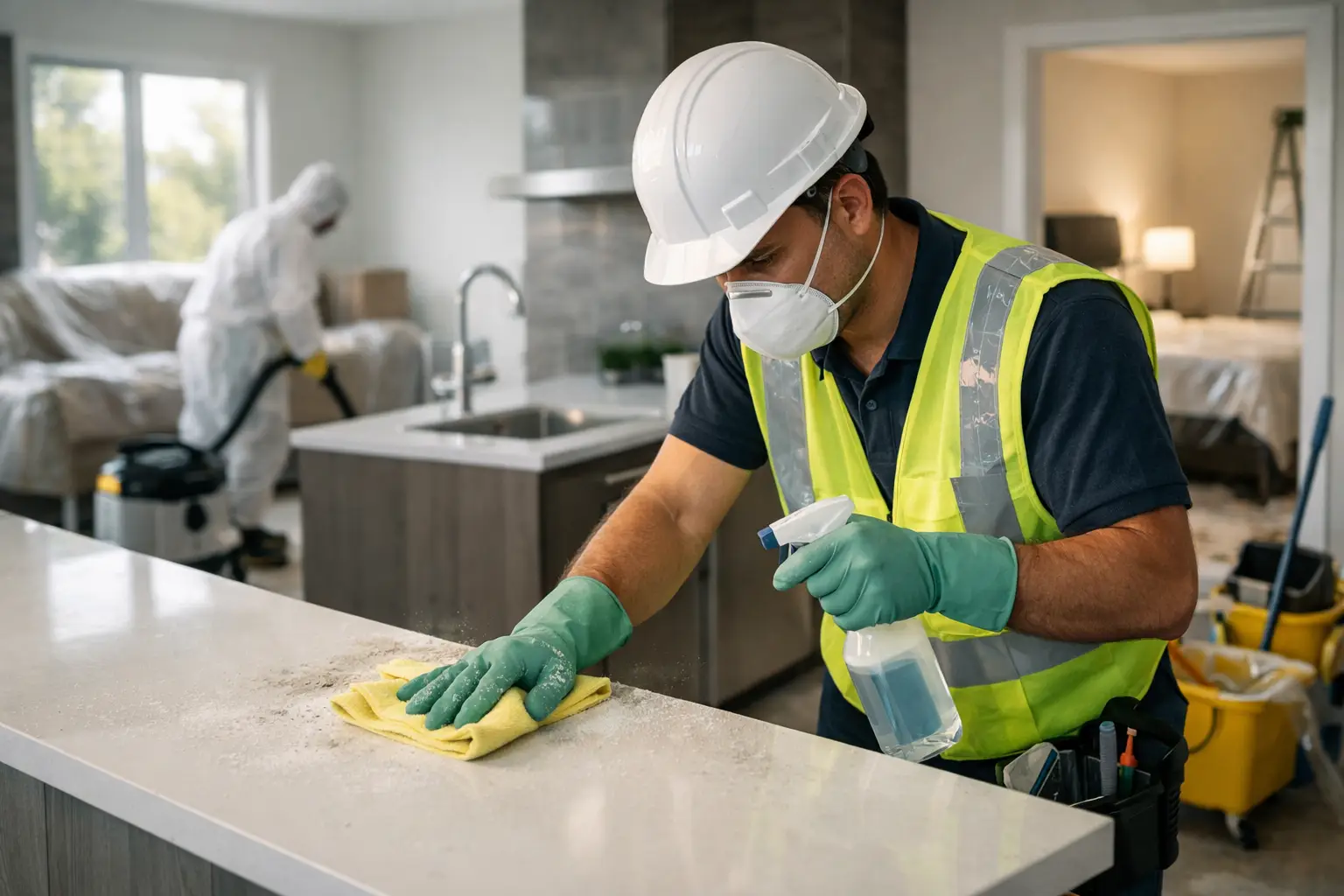
Professional move-out cleaning is especially helpful when appliances need deep attention, bathrooms have scale or soap scum, or carpets and upholstery need more than surface cleaning. It also helps when the handoff date is fixed and there is no room for a second attempt.
A company like Get It Done Cleaning Services can be useful in those situations because the scope is clear, the cleaners are insured, and the work is built around detailed execution rather than quick touch-ups. That matters when the goal is not just a cleaner-looking space, but a property that feels fully ready for inspection or turnover.
A practical cleaning order that saves time
If you are handling the job yourself, clean in this order: dust high surfaces first, wipe walls and fixtures second, clean cabinets and appliances third, then finish floors last. Work from the back of the home toward the exit so you are not walking over freshly cleaned areas.
Keep one trash bag with you and remove waste as you go. That prevents small piles from turning into one last messy task at the end. It is also smart to carry basic tools for touch-ups, since loose dust, fingerprints, and streaks tend to show up once the rooms are empty and bright.
A move-out clean always feels bigger at the end than it did at the start. That is normal. The best approach is not rushing harder. It is following a checklist that keeps you focused, thorough, and one step ahead of the final walk-through.